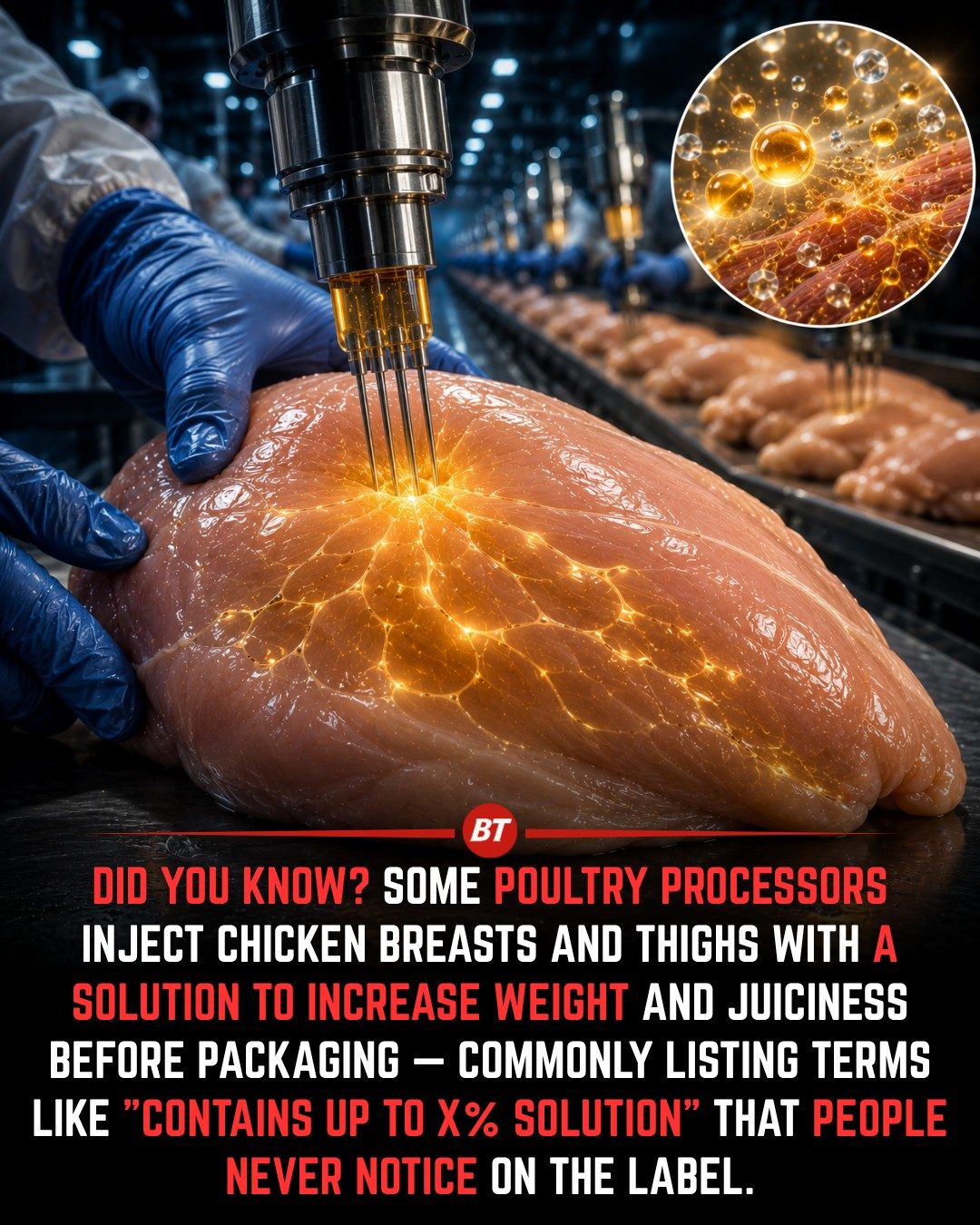
Chicken Processing: The Injection Process
Poultry processing involves several steps to ensure that chicken meets quality and safety standards before it reaches consumers. One lesser-known step is the injection of chicken breasts and thighs with a solution to enhance their weight and juiciness.
Why This Matters
Understanding how poultry is processed can help consumers make more informed decisions. While injected chicken can be more tender and juicy, it's essential to recognize how this process impacts the final product.
The Injection Process
The Purpose of Injection
Poultry processors inject chicken breasts and thighs with a solution primarily to increase weight and juiciness. This process is designed to make the chicken more appealing to consumers. The injection solution can vary, but it often includes water, salt, and sometimes other additives like phosphates or flavorings. These additives help retain moisture, improve texture, and sometimes enhance the flavor of the chicken.
The Process Explained
The injection process involves using a machine to inject the solution directly into the chicken meat. This machine is often operated by a gloved hand, ensuring precision and hygiene. The solution is injected into specific areas of the chicken, such as the breast and thighs, to ensure even distribution and maximum effect.
Labeling and Disclosure
It's important to note that the injection process is often disclosed on the label. Terms like "contains up to X% solution" are commonly used, but these can be easy to overlook. This disclosure is a crucial piece of information for consumers who may prefer chicken that has not been injected or want to know the exact composition of their purchase.
The Benefits and Drawbacks of Injection
Benefits
- Increased Juiciness: The primary benefit of injecting chicken is the enhanced juiciness. The solution helps retain moisture, making the chicken more tender and flavorful.
- Consistent Texture: Injected chicken often has a more consistent texture, which can be appealing to consumers who prefer a uniform eating experience.
- Weight Gain: The added solution increases the weight of the chicken, which can be beneficial for processors looking to maximize yield.
Drawbacks
- Nutritional Differences: The added solution can alter the nutritional profile of the chicken. For example, the sodium content may increase, which could be a concern for health-conscious consumers.
- Taste Preference: Some consumers prefer the natural taste of non-injected chicken. They may find that injected chicken has a different flavor profile, which might not be as desirable.
- Cost Implications: Injected chicken may be marketed at a higher price, even though the injection process can be a way to increase yield without actually adding more chicken meat.
Practical Tips
When shopping for poultry, keep the following tips in mind to make informed decisions:
- Read the Label: Always check the label for terms like "contains up to X% solution." This will help you understand what has been added to the chicken.
- Understand the Terminology: Terms like "plumped," "enhanced," or "fresh" can indicate that the chicken has been injected. Familiarize yourself with these terms to make better choices.
- Know Your Preferences: If you prefer non-injected chicken, look for labels that specify "no added solution" or "100% natural."
- Experiment with Cooking: Injected and non-injected chicken can behave differently during cooking. Adjust your cooking methods to suit the type of chicken you have.
Important Takeaways
Injection is a common practice in poultry processing that can significantly impact the final product. By understanding the injection process, consumers can make more informed choices about the chicken they buy and prepare. Whether you prefer injected or non-injected chicken, recognizing the differences in taste, texture, and nutritional content will help you tailor your shopping and cooking practices to your preferences.
Conclusion
The injection of chicken breasts and thighs with a solution is a practice that increases weight and juiciness. This process is disclosed on the label, often with terms that can be easy to overlook. By understanding the injection process, consumers can make more informed decisions and choose the type of poultry that best suits their needs and preferences. Whether you prefer the juiciness of injected chicken or the natural taste of non-injected poultry, knowing the facts will help you enjoy your meals to the fullest.
Watch the Reel
Questions readers ask
What is the primary purpose of chicken injection in poultry processing?
The primary goal of chicken injection is to increase the weight and juiciness of chicken breasts and thighs. This makes the chicken more appealing to consumers by enhancing its tenderness and moisture content.
What solution is typically injected into chicken during processing?
The solution injected into chicken usually consists of water, salt, and various additives. These components help to increase the weight and juiciness of the meat. However, the exact composition can vary between processors.
How does the injection process affect the final weight of chicken?
The injection process can significantly increase the final weight of chicken breasts and thighs. This is because the solution adds extra liquid to the meat, making it heavier and potentially more profitable for processors.
Why is it important for consumers to know about chicken injection?
Knowing about chicken injection helps consumers understand what they are buying. It can affect cooking times, nutritional content, and the overall dining experience. Additionally, it allows consumers to make more informed decisions about the type of chicken they prefer.
What should consumers look for on chicken labels regarding injection?
Consumers should look for clear labeling that discloses whether the chicken has been enhanced or injected. Terms like 'enhanced' or 'self-basting' indicate that the chicken has been injected with a solution. This information is crucial for understanding the product's characteristics and potential impact on cooking.
Does the injection process only affect chicken breasts and thighs?
While chicken breasts and thighs are commonly injected, the process can also be applied to other cuts of chicken. The specific cuts that undergo injection can vary depending on the processor and the desired outcome.
How does the injection process impact the cooking of chicken?
The injection process can affect cooking times and methods. Injected chicken may require less cooking time due to the added moisture, and it may also release more liquid during cooking, which can impact the final dish. Consumers should adjust their cooking methods accordingly.
Related deep dives
Similar reads based on topic and creator.




Recent articles
Fresh deep dives from the latest Reels we unpacked.




Comments
Be the first to comment.