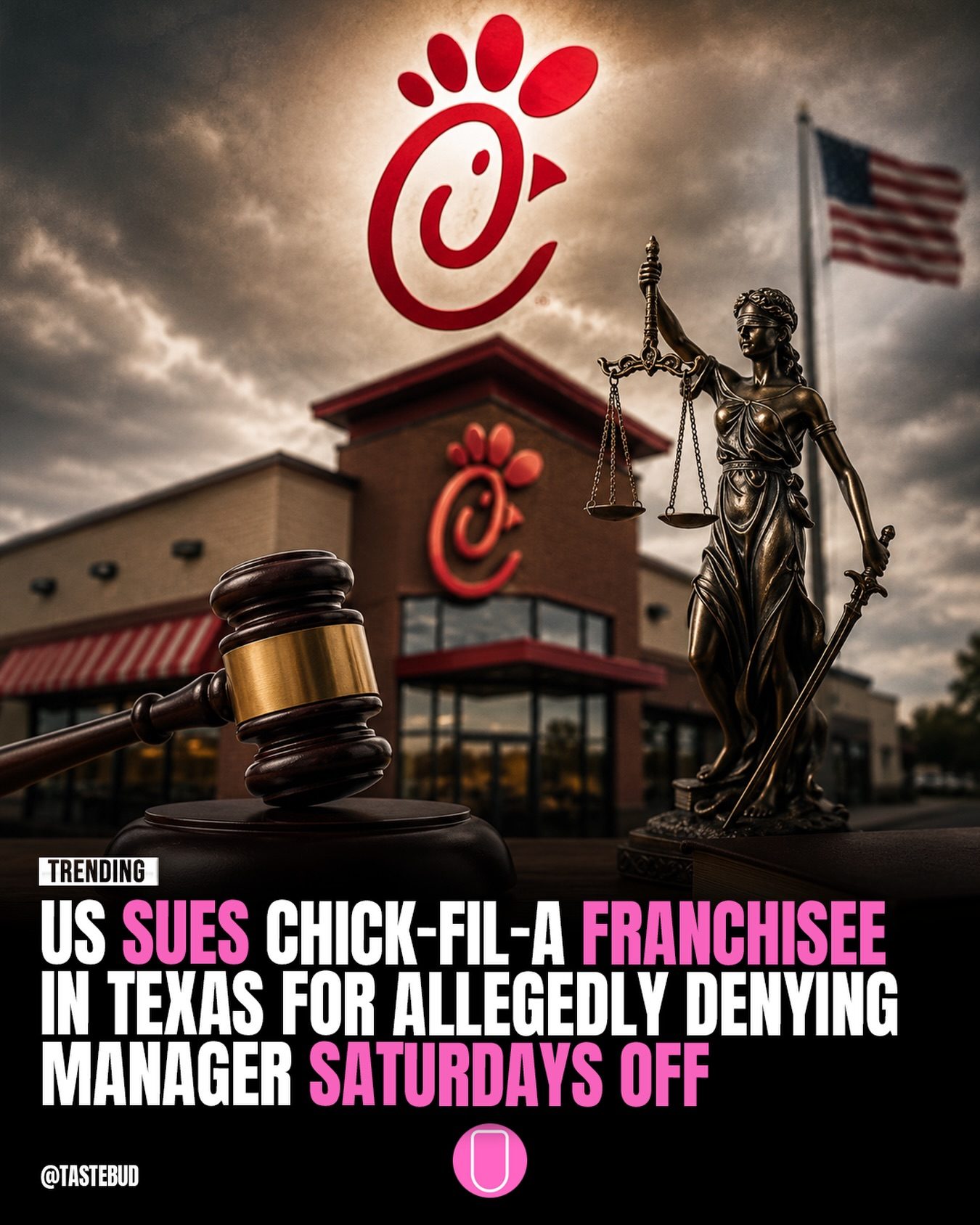
Chick-fil-A Franchisee Sued for Alleged Discrimination in Texas
Chick-fil-A, a well-known fast-food chain, finds itself in the spotlight due to a lawsuit involving one of its Texas franchise locations. The Equal Employment Opportunity Commission (EEOC) has filed a lawsuit alleging that a manager was denied Saturdays off for religious observance and was later terminated. The case hinges on whether the franchise provided adequate accommodation under the Civil Rights Act.
This situation highlights important aspects of workplace accommodations, religious freedom, and the responsibilities of employers to comply with federal laws. The lawsuit serves as a reminder of the complexities employers face when balancing the needs of their employees with the demands of their business.
The Background of the Case
The case centers on a Chick-fil-A franchisee in Texas who allegedly denied a manager the ability to take Saturdays off for religious observance. The manager was fired after the accommodation was not made. The EEOC alleges that this action violates the Civil Rights Act, which requires employers to provide reasonable accommodations for employees' religious beliefs unless doing so would cause undue hardship to the employer.
The manager in question had requested time off to observe their religious beliefs and was initially denied. The manager sought legal recourse and later filed a complaint with the EEOC. After an investigation, the EEOC found sufficient evidence to warrant legal action. This legal dispute underscores the importance of employers understanding and complying with federal anti-discrimination laws, particularly as they relate to religious freedoms.
Context and Implications
The lawsuit brings into focus the broader context of workplace discrimination and religious freedom. Religious discrimination in the workplace is a serious issue that affects many individuals and communities. The Civil Rights Act of 1964 provides protection against religious discrimination, mandating that employers must provide reasonable accommodations for employees' religious beliefs and practices. This ensures that employees can practice their faith without fear of retaliation or discrimination.
The case also highlights the role of franchisees in complying with federal laws. In a franchise model, the franchisee operates independently but is still bound by the overall brand standards and legal obligations. This means that franchisees must ensure they adhere to all relevant employment laws, even if they have less oversight than corporate-owned locations. The situation serves as a cautionary tale to other franchisees who may find themselves in similar situations, reminding them of the importance of adhering to legal requirements.
Understanding the Civil Rights Act and Employment Law
The Civil Rights Act of 1964 prohibits discrimination based on race, color, religion, sex, and national origin. However, the Act does not stop at hiring and firing. It also mandates that employers provide reasonable accommodations for employees' religious beliefs and practices. This means that employers must make adjustments to their policies and practices to accommodate employees' religious needs, unless doing so would impose an undue hardship on the employer.
In the context of this case, the manager requested accommodation to observe their religious observance every Saturday. The EEOC claims that the employer failed to provide this accommodation, which led to the manager's termination. This situation underscores the importance of employers understanding their obligations under the Civil Rights Act and ensuring they provide reasonable accommodations to employees.
What This Means for Employers
For employers, this case serves as a reminder of the importance of understanding and complying with federal anti-discrimination laws. It is crucial for employers to create a work environment that respects and accommodates the religious beliefs of their employees. This includes providing time off for religious observance, if requested, and making other necessary adjustments to ensure that employees can practice their faith without discrimination.
Employers should also consider implementing policies and procedures that clearly outline their commitment to non-discrimination and religious accommodation. This can help prevent future disputes and ensure that employees feel supported in their religious beliefs. Additionally, employers should provide training to managers and supervisors on how to handle requests for religious accommodation and how to comply with the Civil Rights Act.
Practical Tips for Employers
Employers should take proactive steps to ensure compliance with the Civil Rights Act and to foster a respectful and inclusive workplace. Here are some practical tips to help employers navigate this complex issue:
-
Develop Clear Policies: Create clear policies that outline your commitment to non-discrimination and religious accommodation. Ensure these policies are communicated to all employees.
-
Training and Awareness: Provide training to managers and supervisors on how to handle requests for religious accommodation. This can help prevent misunderstandings and ensure that requests are handled fairly.
-
Documentation: Keep detailed records of all requests for religious accommodation and the steps taken to accommodate them. This can be crucial in defending against future disputes.
-
Consult Legal Expertise: If you are unsure about how to handle a specific request or situation, consult with legal experts to ensure compliance with the law.
-
Create an Inclusive Environment: Foster a workplace culture that values diversity and inclusion. Encourage open communication and respect for all employees' beliefs and practices.
By taking these steps, employers can create a workplace that supports and respects the religious beliefs of all employees, while also complying with federal anti-discrimination laws.
Important Takeaways
This case involving Chick-fil-A is a reminder of the complexities of workplace accommodations and the importance of complying with federal anti-discrimination laws. Employers must understand their obligations under the Civil Rights Act and take proactive steps to ensure that they are providing reasonable accommodations to employees. By fostering a respectful and inclusive workplace, employers can prevent future disputes and create an environment where all employees feel valued and supported.
Conclusion
The lawsuit against a Chick-fil-A franchisee in Texas underscores the complexities of workplace accommodations and the importance of employers complying with federal anti-discrimination laws. By understanding the requirements of the Civil Rights Act and taking proactive steps to support employees' religious beliefs, employers can create a more inclusive and respectful workplace. This case serves as a reminder to all employers of the importance of adhering to legal requirements and fostering a workplace culture that values diversity and inclusion.
Watch the Reel
Questions readers ask
What are the key allegations in the EEOC lawsuit against the Chick-fil-A franchise in Texas?
The EEOC alleges that a Chick-fil-A franchise in Texas denied a manager time off for religious observance and ultimately terminated the employee. The lawsuit claims that the franchise did not provide reasonable accommodations for the employee's religious beliefs, which is a violation of federal law.
What is the significance of the Civil Rights Act in this lawsuit?
The Civil Rights Act is significant because it requires employers to make reasonable accommodations for employees' religious beliefs and practices, unless doing so would cause undue hardship to the business. The EEOC's lawsuit argues that the Chick-fil-A franchise failed to meet this requirement.
How does this lawsuit highlight the complexities of workplace religious accommodations?
This lawsuit illustrates the challenges employers face in balancing the needs of employees with their own operational demands. The case involves the delicate matter of scheduling and employment termination and how these can intersect with religious observances.
What responsibilities do employers have regarding religious accommodations?
Employers are required to engage in an interactive process with employees to determine if reasonable accommodations can be made for their religious beliefs. This may include adjusting schedules, allowing time off, or making other modifications, as long as they do not cause undue hardship to the business.
What role does the EEOC play in cases of religious discrimination?
The EEOC enforces federal laws that prohibit workplace discrimination, including discrimination based on religious beliefs. They investigate claims, mediate disputes, and, if necessary, file lawsuits to ensure that employers comply with the law and provide appropriate accommodations for employees' religious practices.
What can other employers learn from this lawsuit regarding religious accommodations?
Employers can learn the importance of being proactive in addressing religious accommodation requests and understanding the legal requirements involved. This includes having clear policies and procedures in place for handling such requests and engaging in open dialogue with employees to find mutually agreeable solutions.
Related deep dives
Similar reads based on topic and creator.


Recent articles
Fresh deep dives from the latest Reels we unpacked.




Comments
Be the first to comment.