Chick-fil-A Controversy: Religious Discrimination Allegations
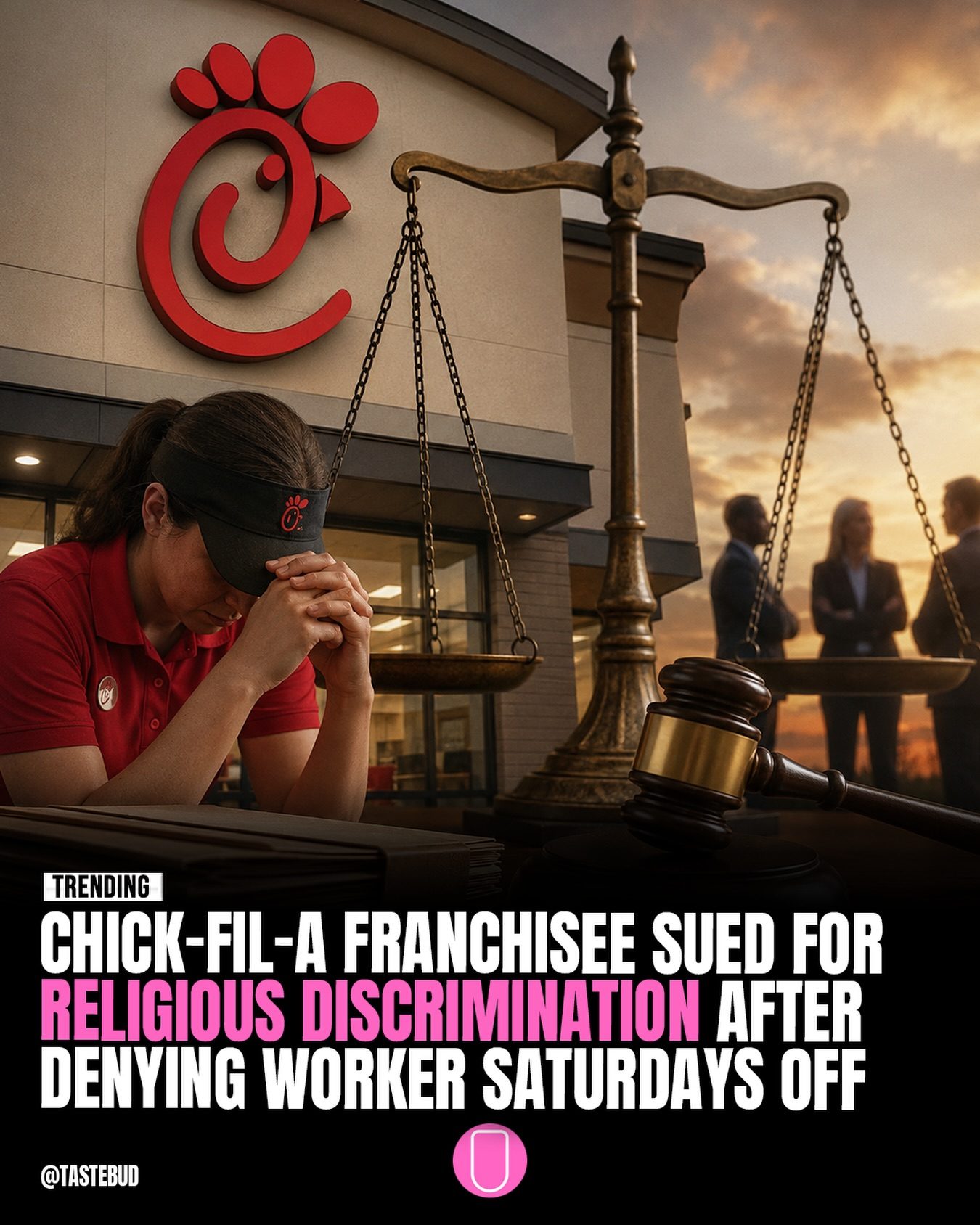
The Chick-fil-A franchise in Texas is currently embroiled in a lawsuit that alleges religious discrimination. A worker was denied time off for religious observance and subsequently terminated. This case, filed by the Equal Employment Opportunity Commission (EEOC), has garnered attention for its implications on workplace rights and religious freedom.
Context: Why This Matters
Religious discrimination in the workplace is a serious issue that can have profound impacts on employees and employers alike. This controversy provides an important opportunity to delve into the legal and ethical considerations surrounding workplace accommodations for religious observances.
The Background
The lawsuit involves a Chick-fil-A franchise based in Texas. According to the complaint, an employee requested time off to observe a religious holiday. The request was denied, and the employee was later terminated. The EEOC has taken up the case, asserting that the termination was a form of religious discrimination.
Key Legal Considerations
The legal landscape surrounding religious discrimination in the workplace is complex and multifaceted. There are several key points to consider:
Title VII of the Civil Rights Act
Under Title VII of the Civil Rights Act, employers are required to accommodate employees' religious practices, unless doing so would impose an undue hardship on the employer. This means that employers must make reasonable accommodations, such as adjusting work schedules, unless it would significantly interfere with business operations.
Undue Hardship
The concept of "undue hardship" is central to Title VII. An employer must show that accommodating an employee's religious practices would impose a significant difficulty or expense on the business. This could include factors such as increased costs, disruptions to operations, or challenges in maintaining a balanced workforce.
EEOC's Involvement
The EEOC's involvement in this case underscores the seriousness of the allegations. The EEOC is tasked with enforcing federal laws that protect employees from discrimination based on race, color, religion, sex, national origin, age, and disability. The agency conducts investigations and, if necessary, takes legal action to enforce these laws.
The Importance of Religious Accommodations
Religious accommodations are essential for maintaining a diverse and inclusive workplace. They ensure that employees can practice their faith without fear of retaliation or job loss. Accommodations can take many forms, such as allowing flexible work hours, providing prayer spaces, or adjusting dress codes.
Practical Tips for Employers
Navigating religious accommodations can be challenging, but there are several practical steps employers can take to ensure compliance with the law and foster a supportive work environment:
Develop a Clear Policy
Create a comprehensive policy on religious accommodations. This policy should outline the procedures for requesting and granting accommodations, as well as the criteria for determining an undue hardship.
Train Management
Provide training to managers and supervisors on handling religious accommodation requests. This training should cover the legal requirements, as well as best practices for assessing and granting requests.
Communicate Openly
Maintain open lines of communication with employees about their religious needs. Encourage employees to discuss their requirements and work together to find mutually beneficial solutions.
Consult Legal Experts
When dealing with complex or sensitive issues, consult with legal experts. This can help ensure that all legal requirements are met and that the organization is protected from potential lawsuits.
Important Takeaways
The Chick-fil-A controversy highlights several key points that are relevant for employers and employees alike:
- Legal Compliance: Employers must comply with Title VII of the Civil Rights Act, which requires reasonable accommodations for religious practices unless they impose an undue hardship.
- Importance of Accommodations: Religious accommodations are essential for maintaining a diverse and inclusive workplace and ensuring that employees can practice their faith without fear of retaliation.
- EEOC's Role: The EEOC plays a critical role in enforcing anti-discrimination laws and ensuring that employers comply with legal requirements.
Conclusion
The Chick-fil-A lawsuit involving religious discrimination serves as a reminder of the importance of workplace accommodations and the legal obligations that employers have. By understanding and implementing best practices for religious accommodations, employers can create a more inclusive and supportive workplace environment. As the case unfolds, it will be important to monitor the outcomes and their implications for future legal and ethical considerations.
Watch the Reel
Questions readers ask
What specific actions led to the religious discrimination lawsuit against Chick-fil-A?
The lawsuit stems from Chick-fil-A's alleged denial of an employee's request for time off to observe religious holidays, which ultimately resulted in the employee's termination. This denial of religious accommodation is the crux of the case.
Who is involved in the Chick-fil-A religious discrimination lawsuit?
The lawsuit was brought by the Equal Employment Opportunity Commission (EEOC) on behalf of the affected employee. The defendant is a Chick-fil-A franchise located in Texas.
What are the potential implications of this lawsuit for workplace religious accommodations?
This case could set a precedent for how employers handle requests for religious accommodations, such as time off for religious observances. It highlights the importance of clear policies and consistent application of these policies to avoid potential discrimination claims.
How might this lawsuit impact religious freedom in the workplace?
The outcome of the lawsuit could influence how employers balance the needs of their business with the religious freedoms of their employees. It could encourage employers to be more proactive in providing reasonable accommodations for religious observances.
What role does the EEOC play in this lawsuit?
The EEOC is responsible for enforcing federal laws that make it illegal to discriminate against a job applicant or an employee because of the individual's religious beliefs or practices. In this case, the EEOC is representing the employee who was denied time off for religious observance.
What should employees do if they feel they are experiencing religious discrimination at work?
Employees who feel they are experiencing religious discrimination should document the incidents and report them to their employer's human resources department. If the issue is not resolved internally, they can file a charge with the EEOC.
Are there any other notable instances of religious discrimination lawsuits against Chick-fil-A?
As of now, this is a notable case, but Chick-fil-A has faced other controversies related to its corporate values and public statements, leading to debates about religious freedom and workplace policies.
Related deep dives
Similar reads based on topic and creator.


Recent articles
Fresh deep dives from the latest Reels we unpacked.




Comments
Be the first to comment.