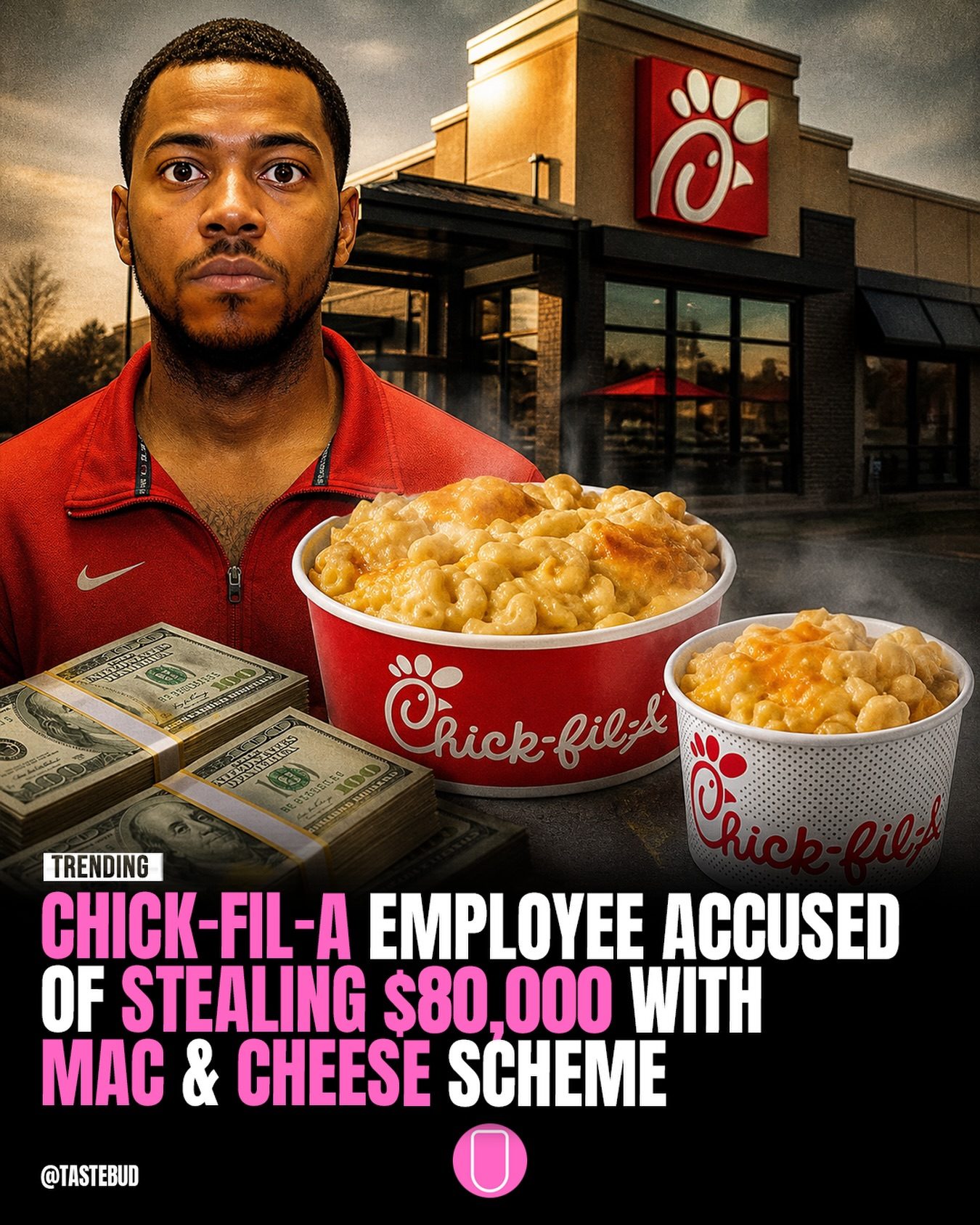
Chick-fil-A Mac & Cheese Scheme
The alleged theft of $80,000 from Chick-fil-A using a mac and cheese scheme has sparked widespread attention. Authorities claim that a former employee orchestrated an elaborate plan involving fake orders and personal refunds. By repeatedly entering the restaurant after being fired, the employee reportedly managed to manipulate the system to their advantage. Here’s a deeper look into the events and what we know so far.
Why This Matters
Cases of employee theft are not uncommon, but the method employed in this instance is particularly noteworthy. The alleged scheme not only highlights vulnerabilities in the restaurant's order and refund system but also raises questions about the effectiveness of internal security measures. Understanding the details of this case can provide valuable insights into how businesses can better protect themselves against similar fraudulent activities.
The Chick-fil-A Mac & Cheese Scheme
The Alleged Theft
The incident involves a former Chick-fil-A employee who was reportedly fired but managed to return to the restaurant multiple times to carry out their scheme. The primary modus operandi involved creating fake orders and then refunding them to a personal card. This method allowed the employee to siphon funds from the restaurant over an extended period, accumulating a total of around $80,000.
The Role of Mac & Cheese
The mac and cheese element of the scheme adds a layer of intrigue to the story. While the exact details of how mac and cheese were involved are not clear, the sensationalized portrayal suggests that the dish may have played a role in distracting staff or disguising the fraudulent activities. This could be due to the employee claiming that the fake orders were for mac and cheese, which might be easier to process and less likely to raise suspicions.
The Unusual Method
What sets this case apart is the audacity and the method used. The idea of repeatedly entering a place of work after being fired to carry out a theft scheme is unusual and raises questions about security protocols. It also highlights the importance of having stringent measures in place to prevent former employees from exploiting their knowledge of the system.
Preventing Employee Theft in Restaurants
Strengthening Internal Controls
One of the key takeaways from this case is the importance of strengthening internal controls. Restaurants need to implement robust systems that can detect and prevent fraudulent activities. This includes regular audits, monitoring of transactions, and ensuring that all employees, including former ones, are closely monitored.
Enhancing Security Protocols
Emphasizing the need for enhanced security protocols is crucial. This involves restricting access to sensitive areas, installing surveillance cameras, and having strict entry and exit protocols. Employers should also consider implementing biometric security measures to ensure that only authorized personnel can access certain areas.
Employee Training and Awareness
Training employees to recognize and report suspicious activities is also essential. By fostering a culture of vigilance, restaurants can significantly reduce the risk of theft. Regular training sessions on fraud detection and prevention can equip employees with the necessary skills to identify potential threats.
Practical Tips for Restaurant Owners
Regular Audits
Conduct regular audits of financial transactions and inventory. This will help in identifying any discrepancies early and taking corrective actions promptly.
Technology Solutions
Invest in technology solutions that can monitor and track transactions in real time. This includes using point-of-sale (POS) systems that can flag suspicious activities and alert management immediately.
Employee Background Checks
Perform thorough background checks on all employees, especially those handling financial transactions. This will help in identifying any red flags that could indicate a higher risk of theft.
Strong Policies
Implement strong policies on refunds and returns. Ensure that all refunds are authorized by management and that there is a clear trail of all transactions. This will make it difficult for employees to exploit the system.
Employee Engagement
Maintain open communication with employees and encourage them to report any suspicious activities. Creating a safe and transparent work environment can deter potential fraudsters and ensure that any issues are addressed promptly.
Important Takeaways
The Chick-fil-A Mac & Cheese scheme serves as a reminder of the importance of having robust security measures in place. Restaurants must be vigilant and proactive in protecting their assets from fraudulent activities. By implementing stringent controls, enhancing security protocols, and fostering a culture of vigilance, businesses can significantly reduce the risk of employee theft.
Conclusion
The case of the Chick-fil-A employee stealing $80,000 using a mac and cheese scheme is a stark reminder of the vulnerabilities that can exist within a restaurant's operations. By understanding the details of this case and taking proactive measures, businesses can better protect themselves from similar fraudulent activities.
Watch the Reel
Questions readers ask
How did the former Chick-fil-A employee carry out the $80K Mac & Cheese Heist?
The former employee exploited the restaurant's order and refund system by placing fake orders for mac and cheese and then issuing personal refunds. This scheme allowed the employee to pocket the money from these fraudulent transactions.
What measures could Chick-fil-A have taken to prevent this type of fraud?
Chick-fil-A could have implemented stricter internal security measures, such as enhanced monitoring of order and refund systems, better access controls for former employees, and regular audits of financial transactions. Additionally, training staff to recognize and report suspicious activities could help prevent similar incidents.
Why is the Chick-fil-A Mac & Cheese Heist significant beyond the financial loss?
This case is significant because it highlights vulnerabilities in the restaurant's internal systems and the creative methods used in fraudulent activities. It serves as a reminder for other businesses to review and strengthen their security protocols to prevent similar incidents.
What happened after the employee was fired from Chick-fil-A?
After being fired, the employee reportedly continued to enter the restaurant and manipulate the order and refund system. This allowed the employee to carry out the fraudulent scheme despite no longer being officially employed.
What charges might the former Chick-fil-A employee face?
The former employee could face several charges, including theft, fraud, and potentially unauthorized access to a computer system. The specifics of the charges will depend on the findings of the investigation and the laws in the jurisdiction where the crime occurred.
How can similar fraudulent activities be detected in the future?
To detect similar fraudulent activities, businesses should implement robust monitoring systems and regular audits. Employees should be trained to identify unusual patterns, such as frequent refunds or orders from the same individual, and report them to management or security personnel.
What steps can businesses take to safeguard against employee theft?
Businesses can safeguard against employee theft by regularly reviewing and updating internal security measures, conducting background checks on employees, and implementing strict access controls. Regular audits and encouraging a culture of transparency and accountability can also deter potential fraudsters.
Related deep dives
Similar reads based on topic and creator.



Recent articles
Fresh deep dives from the latest Reels we unpacked.




Comments
Be the first to comment.