The Power of Chia Seeds: Benefits and Uses
Chia seeds are a tiny, nutrient-packed superfood that deserve a place in your diet. These small seeds are known for their impressive ability to expand when mixed with liquid, which contributes to their numerous health benefits. Here’s a deep dive into what makes chia seeds so special and how you can incorporate them into your daily routine.
Why Chia Seeds Matter
The nutritional profile of chia seeds is one of the primary reasons they are so beneficial. Chia seeds are an excellent source of soluble fiber, plant-based omega-3 fatty acids (ALA), calcium, magnesium, and antioxidants. This combination of nutrients supports various aspects of health, from digestive function to heart health.
Enhanced Satiety and Energy Levels
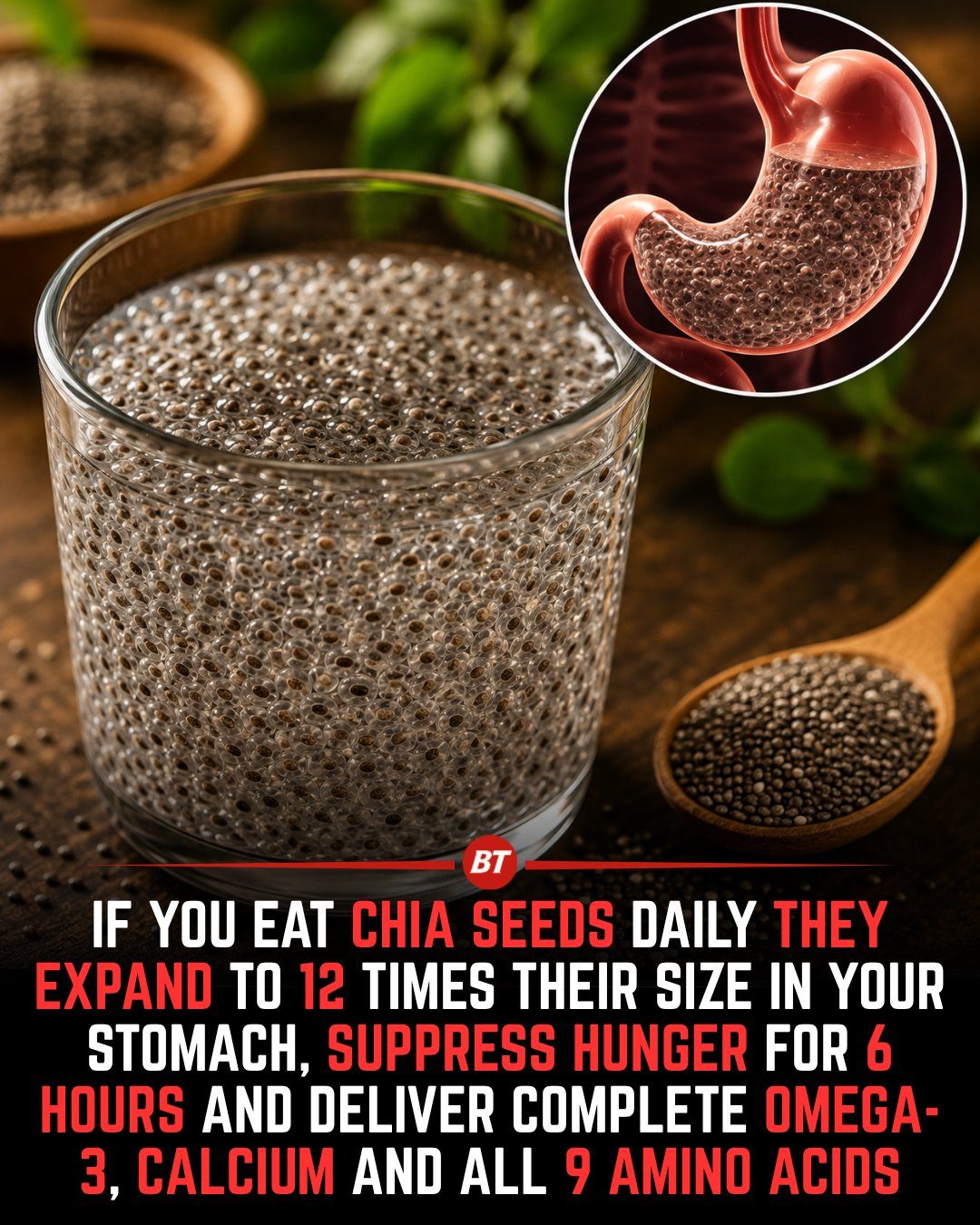
When mixed with liquid, chia seeds absorb water and form a gel-like coating, which allows them to expand up to 12 times their original size in your stomach. This gel slows down digestion and can increase feelings of fullness, helping to control appetite and maintain steady energy levels throughout the day. For those looking to manage their weight or maintain consistent energy, chia seeds can be a valuable addition to their diet.
Nutrient-Dense Powerhouse
Chia seeds are rich in essential nutrients, making them a versatile addition to any diet. They provide a complete source of omega-3 fatty acids, calcium, and all nine essential amino acids. This makes them a valuable plant-based protein source, although the amounts of some amino acids are relatively modest compared to animal-based proteins. The soluble fiber in chia seeds helps nourish beneficial gut bacteria, supports regular bowel movements, and may contribute to healthier blood sugar responses after meals.
Main Discussion
Digestion and Fullness
One of the most notable characteristics of chia seeds is their ability to absorb large amounts of water, forming a gel-like substance. This property is particularly beneficial for digestion and satiety. When chia seeds are consumed, they expand in the stomach, creating a sense of fullness that can help suppress hunger for extended periods, often up to six hours. This makes them an excellent choice for those aiming to control their appetite and maintain steady energy levels.
Heart Health and Blood Sugar Control
The soluble fiber in chia seeds is instrumental in supporting heart health. It helps to lower cholesterol levels and improve overall cardiovascular function. Additionally, the gel-like substance formed by chia seeds in the stomach slows down the digestion of carbohydrates, which can lead to more stable blood sugar levels. This is particularly beneficial for individuals managing diabetes or those looking to improve their blood sugar control.
Complete Plant Protein
Chia seeds are a complete source of plant protein, providing all nine essential amino acids. While the amounts of some amino acids are modest compared to animal-based proteins, chia seeds are still a valuable addition to a balanced diet. Their high protein content, combined with healthy fats and minerals, makes them an excellent way to boost the nutritional quality of meals and snacks.
Antioxidant and Anti-Inflammatory Properties
Chia seeds are rich in antioxidants, which help protect the body from damage caused by harmful molecules called free radicals. These antioxidants can reduce inflammation and oxidative stress, contributing to overall health and wellness. The anti-inflammatory properties of chia seeds make them a valuable addition to diets aimed at reducing chronic inflammation.
Versatility in Cooking and Baking
Chia seeds are incredibly versatile and can be easily incorporated into a wide variety of dishes. They have a mild flavor, making them a great addition to smoothies, oatmeal, and overnight oats. They can also be used as a thickening agent in sauces or as an egg replacement in baking recipes. Whether you’re looking to add fiber to your morning smoothie or create a healthier baked good, chia seeds offer a convenient and nutritious solution.
Practical Tips
How to Incorporate Chia Seeds into Your Diet
Chia seeds can be added to almost any recipe or meal. Here are some practical tips for incorporating them into your daily diet:
- Soak and Drink: Soak 1-2 tablespoons of chia seeds in water, milk, or yogurt for 15-30 minutes before consuming. This allows the seeds to expand and form a gel-like coating, which can help with digestion and satiety.
- Smoothies and Beverages: Add chia seeds to your favorite smoothie or beverage. They blend well and add a boost of fiber, omega-3s, and other nutrients.
- Oatmeal and Overnight Oats: Stir chia seeds into your oatmeal or overnight oats for added texture and nutritional value. They also help to thicken the mixture, creating a more satisfying breakfast.
- Baking: Use chia seeds as a thickening agent in sauces or as an egg replacement in baking recipes. They absorb liquid and form a gel, making them a useful addition to various baked goods.
Creative Recipes
- Chia Pudding: Mix 2 tablespoons of chia seeds with 1/2 cup of your choice of milk. Let it sit for 15-30 minutes, then add your favorite fruits, nuts, or sweeteners. This makes a delicious and nutritious snack or breakfast option.
- Chia Smoothie Bowl: Blend frozen fruits, a banana, and a splash of milk. Top with chia seeds, granola, and fresh fruit for a nutrient-dense bowl.
- Chia Vinaigrette: Combine chia seeds, vinegar, lemon juice, and olive oil. Let it sit for a few minutes to allow the seeds to absorb the liquid, creating a thick and creamy dressing.
Important Takeaways
- Chia seeds are a nutritional powerhouse, offering a rich supply of fiber, omega-3 fatty acids, and essential minerals.
- Their ability to expand in the stomach makes them an excellent choice for promoting satiety and appetite control.
- The versatility of chia seeds allows them to be easily incorporated into a wide variety of recipes, making them a convenient addition to any diet.
- Their anti-inflammatory and antioxidant properties contribute to overall health and well-being.
Conclusion
Chia seeds are a small but mighty superfood that offer a wealth of nutritional benefits. From aiding in digestion and supporting heart health to providing a complete source of plant protein, chia seeds are a valuable addition to any diet. Their versatility makes it easy to incorporate them into various recipes, ensuring you can enjoy their benefits in a variety of ways. Whether you’re looking to boost your nutritional intake, control your appetite, or simply explore new healthful culinary options, chia seeds are a worthy addition to your pantry.
Watch the Reel
Questions readers ask
What makes chia seeds so effective for promoting fullness?
Chia seeds absorb water and expand in the stomach, creating a gel-like substance. This process slows down digestion and helps you feel full and satisfied, making chia seeds a great option for managing hunger and supporting weight management goals.
How do chia seeds provide plant-based omega-3s?
Chia seeds are a rich source of alpha-linolenic acid (ALA), a type of omega-3 fatty acid that is essential for heart health and brain function. Incorporating chia seeds into your diet can help you meet your daily omega-3 needs, especially if you follow a plant-based diet.
What are the benefits of chia seeds' fiber content?
Chia seeds are high in soluble fiber, which supports digestive health by promoting regular bowel movements and feeding beneficial gut bacteria. This fiber also contributes to the feeling of fullness and can help regulate blood sugar levels.
Why are chia seeds beneficial for heart health?
The combination of omega-3 fatty acids, fiber, and antioxidants in chia seeds makes them a heart-healthy choice. These nutrients work together to lower cholesterol levels, reduce inflammation, and support overall cardiovascular function.
How can I incorporate chia seeds into my meals?
Chia seeds are versatile and can be easily added to various dishes. You can sprinkle them on top of yogurt or cereal, blend them into smoothies, use them as an egg replacement in baking, or mix them with water to create a gel that can be added to soups, sauces, or dressings.
What is the recommended daily intake of chia seeds for optimal health?
While there is no strict guideline, consuming 1-2 tablespoons (about 12-24 grams) of chia seeds per day is a commonly recommended amount. This serving size provides a significant dose of essential nutrients and can be easily incorporated into your daily meals.
How do chia seeds compare to other seeds and nuts in terms of nutrition?
Chia seeds stand out due to their high omega-3 content, fiber, and antioxidants. Compared to other seeds and nuts, chia seeds are especially rich in plant-based protein, calcium and magnesium, making them a nutrient-dense choice for a balanced diet.
Related deep dives
Similar reads based on topic and creator.




Recent articles
Fresh deep dives from the latest Reels we unpacked.




Comments
Be the first to comment.