When Chia Seeds Feed Your Gut Bacteria
Chia seeds are a versatile and popular superfood, known for their ability to help with satiety. However, their benefits extend far beyond just keeping you feeling full. The unique properties of chia seeds make them a powerful ally for gut health, particularly through their ability to feed beneficial gut bacteria.
Why This Matters
A healthy gut microbiome is crucial for overall well-being. The bacteria that reside in your digestive system play a significant role in nutrient absorption, immune function, and even mental health. By understanding how chia seeds impact gut health, you can make informed decisions to support your microbiome.
The Role of Gel-Forming Fiber in Chia Seeds
Chia Seeds and Soluble Fiber
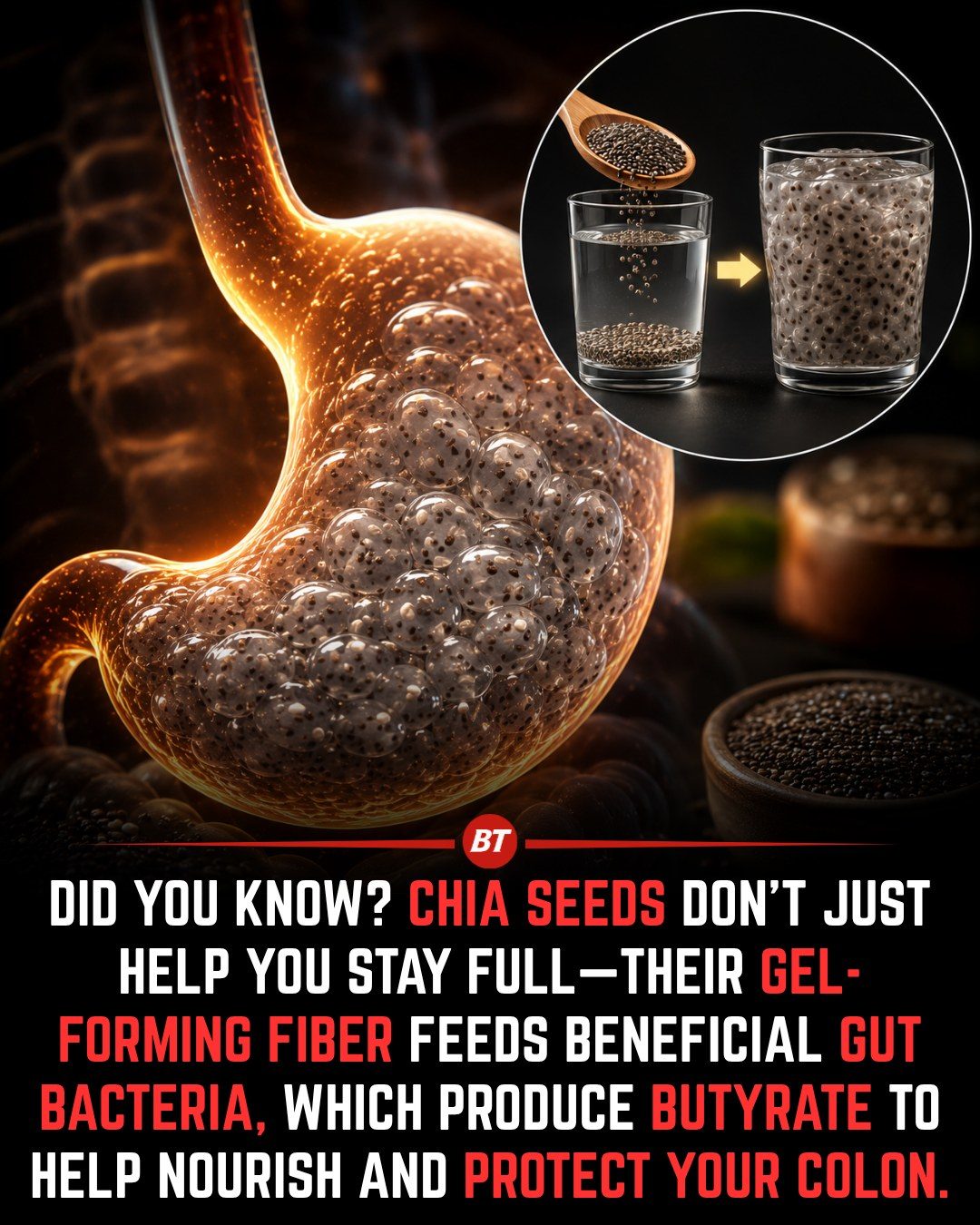
One of the standout features of chia seeds is their high content of soluble fiber. When chia seeds come into contact with water, they form a thick, gel-like coating. This gel is rich in soluble fiber, which has numerous health benefits. Unlike sugars and starches that are broken down early in the digestive process, the fiber in chia seeds reaches the colon intact. Once there, it provides a vital food source for beneficial gut bacteria.
Producing Butyrate
The beneficial bacteria in your gut ferment the soluble fiber from chia seeds, producing short-chain fatty acids. One of the most important of these is butyrate.
Butyrate is a short-chain fatty acid that serves as the primary energy source for the cells lining your colon. It helps maintain the integrity of the intestinal barrier, supports a healthy inflammatory response within the gut, and creates an environment where beneficial bacteria can thrive. Researchers believe that adequate butyrate production is essential for long-term digestive health and the overall resilience of the gut microbiome.
The Impact on Digestive and Metabolic Health
Slowing Stomach Emptying
The gel-forming fiber in chia seeds also has a practical benefit: it slows down the process of stomach emptying and the digestion of carbohydrates. This slows the release of sugar into the bloodstream, promoting a steadier rise in blood sugar levels after meals. As a result, chia seeds can help promote longer-lasting feelings of fullness and support metabolic health.
How Soluble Fiber Affects the Gut
Fiber is often thought of simply as something that helps you feel full, but it's more accurate to think of it as nourishment for the trillions of microbes that help keep your body healthy. Every spoonful of chia seeds isn't just feeding you—it's also feeding the beneficial bacteria that support your gut from the inside out.
Practical Tips for Incorporating Chia Seeds
Simple Ways to Add Chia Seeds to Your Diet
Chia seeds can be easily incorporated into your daily meals. Try the following practical tips:
- Soak 1–2 tablespoons of chia seeds in water or milk for at least 20–30 minutes (or overnight) to form a gel. Add this mixture to yogurt, smoothies, or oatmeal for an easy, fiber-rich boost.
- Create chia pudding by mixing chia seeds with your choice of liquid (such as coconut milk or almond milk) and letting it sit overnight. Top with fresh fruits, nuts, or a drizzle of honey for a nutritious breakfast or snack.
- Sprinkle chia seeds on salads, soups, or use them as a topping for baked goods. They can also be added to baked goods for an extra nutritional boost.
Enhancing Your Gut Health
By consistently including chia seeds in your diet, you can support the health of your gut microbiome. The gel-forming fiber in chia seeds ensures that beneficial bacteria receive the nourishment they need, promoting overall digestive well-being.
Important Takeaways
The Benefits of Chia Seeds for Gut Health
Chia seeds are a potent source of soluble fiber that feeds beneficial gut bacteria, leading to the production of butyrate. This process supports a healthy colon, enhances the integrity of the intestinal barrier, and promotes a balanced inflammatory response within the gut.
Practical Application
Incorporating chia seeds into your daily meals is a simple and effective way to support gut health. By soaking chia seeds in water or milk and adding them to various dishes, you can easily boost your fiber intake and nourish your gut microbiome.
Conclusion
Chia seeds offer more than just a feeling of fullness—they are a valuable addition to any diet focused on maintaining gut health. Their unique gel-forming fiber provides essential nourishment for beneficial gut bacteria, which in turn produce butyrate. This process plays a pivotal role in maintaining a healthy colon and promoting overall digestive health.
Watch the Reel
Related deep dives
Similar reads based on topic and creator.




Recent articles
Fresh deep dives from the latest Reels we unpacked.




Comments
Be the first to comment.