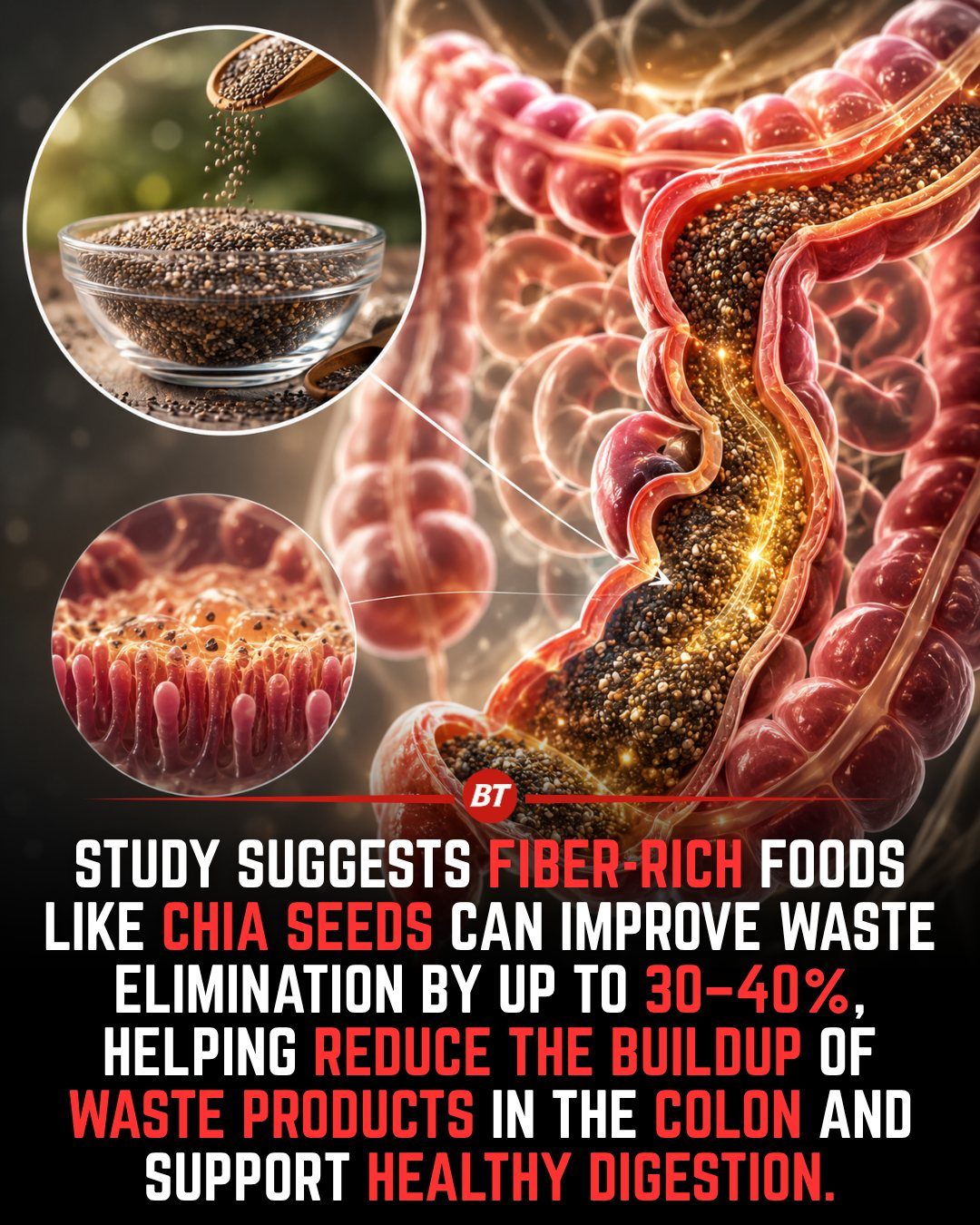
Chia Seeds and Gut Health
Chia seeds are often highlighted as a powerful ally for digestive health. Their unique properties make them an excellent addition to any diet focused on improving gut function and overall well-being. Understanding the science behind chia seeds' benefits can help you incorporate them effectively into your daily routine.
Context / Why this matters
Maintaining a healthy digestive system is crucial for overall health. The digestive system breaks down food, absorbs nutrients, and eliminates waste. When this process is disrupted, it can lead to various issues, including constipation, bloating, and discomfort. Incorporating chia seeds into your diet can support digestive health by promoting regular bowel movements, reducing constipation, and supporting a healthy microbiome.
Main discussion
The science behind chia seeds
Chia seeds are loaded with both soluble and insoluble fiber. When consumed, these tiny seeds absorb many times their weight in water, forming a gel-like texture. This property is crucial for digestive health as it helps food move smoothly through the digestive tract, promoting regular bowel movements and stool bulk. Additionally, the soluble fiber in chia seeds acts as a prebiotic, feeding beneficial gut bacteria. These bacteria produce short-chain fatty acids that nourish the cells lining the colon, further supporting a healthy microbiome.
Improving waste elimination
Research suggests that fiber-rich foods like chia seeds can improve waste elimination by up to 30-40%. This improvement helps reduce the buildup of waste products in the colon, promoting a healthier digestive environment. By supporting regular elimination, chia seeds help the body efficiently process and remove waste products, which is essential for maintaining overall health.
Benefits beyond digestion
While chia seeds are renowned for their digestive benefits, their health advantages extend far beyond the gut. These small seeds are packed with essential nutrients, including omega-3 fatty acids, magnesium, calcium, and antioxidants. These nutrient make chia seeds a nutrient-dense food that supports not only digestion but also heart and metabolic health. The omega-3 fatty acids in chia seeds, for instance, are known for their anti-inflammatory properties, which can benefit heart health. Magnesium and calcium are essential for bone health and muscle function, while antioxidants help combat oxidative stress in the body.
Practical tips
Incorporating chia seeds into your diet is simple and versatile. Here are some practical tips to help you get started:
- Soak and consume: Soak 1–2 tablespoons of chia seeds in water or milk for at least 20 minutes. This process allows the seeds to absorb liquid and form their beneficial gel-like texture. You can then consume the mixture or add it to smoothies, yogurt, or oatmeal.
- Stay hydrated: Drink plenty of water throughout the day to help the fiber in chia seeds work effectively. Adequate hydration is crucial for maintaining regular bowel movements and overall digestive health.
- Experiment with recipes: Chia seeds can be added to a variety of dishes, from breakfast bowls to baked goods. Their mild flavor makes them a versatile ingredient that can be incorporated into your favorite recipes without altering the taste significantly.
Incorporating chia seeds into your breakfast
- Chia pudding: Mix chia seeds with your choice of milk and sweetener, then let it sit overnight. In the morning, you'll have a creamy, nutritious pudding that you can top with fruits, nuts, or other favorites.
- Smoothie booster: Add a spoonful of chia seeds to your morning smoothie for an extra boost of fiber and nutrients.
Adding chia seeds to baked goods
- Muffins and bread: Incorporate chia seeds into your baking recipes by adding them to muffin or bread batter. This not only boosts the nutritional content but also adds a pleasant crunch to your baked goods.
- Energy balls: Combine chia seeds with oats, nut butter, and other ingredients to create energy balls. These make for a convenient and nutritious snack.
Important takeaways
- Chia seeds are rich in soluble and insoluble fiber, which supports regular bowel movements and stool bulk.
- The soluble fiber in chia seeds acts as a prebiotic, promoting a healthy microbiome.
- Incorporating chia seeds into your diet can improve waste elimination and reduce the buildup of waste products in the colon.
- Chia seeds are a nutrient-dense food that supports not only digestion but also heart and metabolic health.
- Simple methods to include chia seeds in your diet include soaking, adding to meals, staying hydrated, and experimenting with recipes.
Conclusion
Chia seeds offer a natural and effective way to support digestive health. Their unique properties, combined with a wealth of essential nutrients, make them a valuable addition to any diet. By understanding how chia seeds work and incorporating them into your daily routine, you can promote regular bowel movements, reduce constipation, and support a healthy microbiome. Whether you add them to your breakfast, baked goods, or smoothies, chia seeds provide a versatile and delicious way to boost your digestive health naturally.
Watch the Reel
Questions readers ask
What makes chia seeds beneficial for digestive health?
Chia seeds are rich in both soluble and insoluble fiber, which aids in digestion and promotes regular bowel movements. The soluble fiber in chia seeds helps to slow down digestion, allowing for better nutrient absorption, while the insoluble fiber adds bulk to stool, making it easier to pass.
How do chia seeds support a healthy gut microbiome?
The fiber in chia seeds acts as a prebiotic, feeding the beneficial bacteria in the gut. This promotes a healthy gut microbiome, which is essential for overall digestive health and immune function. A balanced gut microbiome can help reduce inflammation and improve nutrient absorption.
What are some easy ways to incorporate chia seeds into my diet for better digestion?
Chia seeds are versatile and can be added to various foods and beverages. Try mixing them into yogurt, smoothies, or oatmeal. You can also make chia pudding by soaking chia seeds in milk or a plant-based alternative. Sprinkling chia seeds on salads or using them as an egg replacer in baking are other simple ways to enjoy their benefits.
Can chia seeds help with constipation?
Yes, chia seeds can help alleviate constipation due to their high fiber content. The soluble fiber in chia seeds absorbs water and forms a gel-like substance, which softens stool and makes it easier to pass. Additionally, the insoluble fiber adds bulk to stool, promoting regular bowel movements and preventing constipation.
Are there any specific digestive issues that chia seeds can help with?
Chia seeds can help with several digestive issues, including constipation and bloating. Their high fiber content supports regular bowel movements and reduces constipation. The prebiotic effect of chia seeds also helps promote a healthy gut microbiome, which can reduce inflammation and improve overall digestive health.
How much chia seeds should I consume daily for digestive benefits?
For digestive benefits, a typical serving size is one to two tablespoons of chia seeds per day. It's important to increase your fiber intake gradually to allow your body to adjust and to drink plenty of water throughout the day to support digestion. Always consult with a healthcare provider before making significant dietary changes.
Related deep dives
Similar reads based on topic and creator.




Recent articles
Fresh deep dives from the latest Reels we unpacked.




Comments
Be the first to comment.