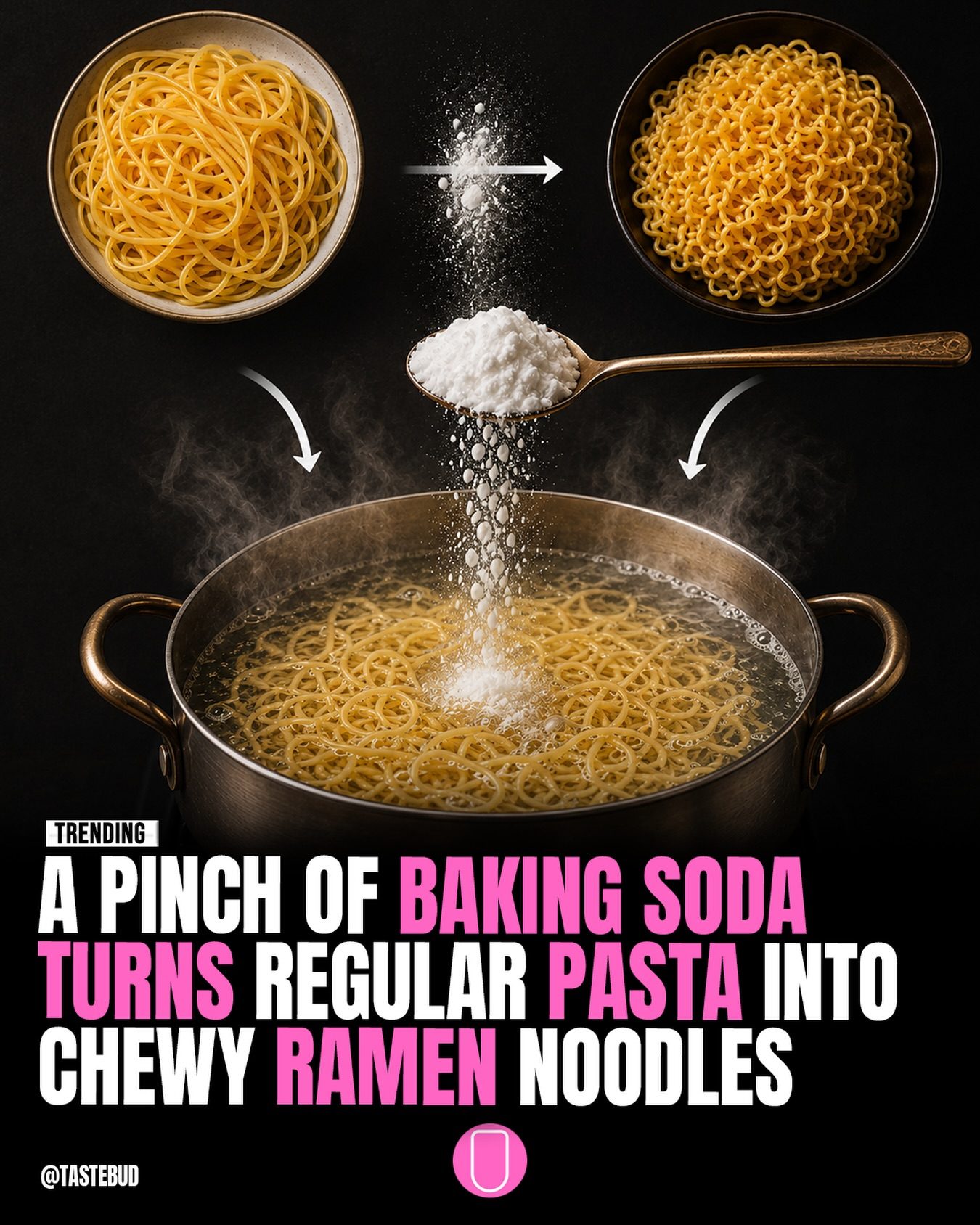
Chewy Ramen Noodles: The Science Behind the Texture
Ramen noodles are beloved for their distinct chewy texture, a quality that sets them apart from other types of noodles. This unique characteristic is not just a matter of taste but a result of specific chemical processes. Traditional ramen noodles rely on an alkaline ingredient called kansui, which alters the dough's behavior and imparts that signature bite and color. For home cooks looking to replicate this effect, a simple trick using baking soda can achieve a surprisingly close result. This article delves into the science behind ramen noodles and provides a practical tip for creating that satisfying chewy texture at home.
Why This Matters
Understanding the chemistry behind ramen noodles can elevate your cooking skills and enhance your dining experience. Knowing how to achieve that signature chewiness can transform ordinary pasta into something more satisfying, allowing you to enjoy the essence of authentic ramen in your own kitchen.
Creating Chewy Ramen Noodles at Home
The Role of Kansui in Traditional Ramen
Kansui, an alkaline mineral water, is the key ingredient that gives traditional ramen noodles their unique texture. This ingredient raises the pH of the dough, which affects gluten formation and breaks down starch molecules. These chemical changes result in noodles that are firm, chewy, and have a characteristic yellow hue. Kansui is traditionally made from mineral water containing potassium carbonate and sodium carbonate. While this ingredient is essential for authentic ramen, it is difficult to find outside of specialty stores, making it challenging for home cooks to recreate authentic ramen noodles.
The Baking Soda Hack
To achieve a similar effect at home, many cooks turn to baking soda, a more accessible alkaline ingredient. Adding a pinch of baking soda to boiling water increases the pH, mimicking the effect of kansui. While not identical to traditional ramen noodles, this method can transform regular pasta into chewy noodles that capture the essence of authentic ramen.
Practical Tips for Making Chewy Ramen Noodles
Ingredients and Preparation
- Ingredients: Regular pasta (spaghetti or thin noodles work best), baking soda, and water.
- Preparation:
- Bring a pot of water to a boil.
- Add a pinch of baking soda to the boiling water. The amount can vary, but a good starting point is about 1/4 teaspoon per quart of water.
- Add the pasta to the water and cook according to the package instructions.
- Drain the pasta and serve it with your favorite ramen toppings and broth.
Tips for Enhancing the Texture
- Soaking: For an even chewier texture, you can soak the pasta in the baking soda water for a few minutes before cooking. This allows the alkaline solution to penetrate the noodles more deeply.
- Cooking Time: Be mindful of the cooking time. Overcooking can lead to mushiness, while undercooking can result in a firm but not chewy texture. Aim for the al dente stage, where the noodles are slightly firm to the bite.
- Rinsing: Rinse the cooked noodles under cold water to stop the cooking process and preserve the chewy texture.
Important Takeaways
Creating chewy ramen noodles at home is possible with a simple trick involving baking soda. While this method may not replicate the exact texture of authentic ramen noodles, it provides a close approximation using basic ingredients. The key to achieving this texture lies in the alkaline nature of the baking soda, which alters the pasta in a way that mimics the effects of kansui. By understanding and applying this chemical principle, home cooks can elevate their pasta dishes to a new level of satisfaction.
Conclusion
The chewy texture of ramen noodles is a result of specific chemical processes that can be replicated at home with a pinch of baking soda. By adding baking soda to boiling water, you can transform regular pasta into chewy noodles that capture the essence of authentic ramen. This simple trick allows you to enjoy the satisfying bite of ramen noodles in your own kitchen, making it a valuable addition to your cooking repertoire. Experiment with different pasta types and cooking times to find the perfect chewy texture for your taste.
Watch the Reel
Questions readers ask
What makes ramen noodles chewy?
Ramen noodles achieve their signature chewy texture due to an alkaline ingredient called kansui. This ingredient modifies the gluten structure in the dough, giving ramen noodles a distinct bite and yellowish hue, unlike regular pasta.
Can I use baking soda to make chewy noodles at home?
Yes, baking soda can be used as a substitute for kansui to achieve a similar chewy texture. By adding a small amount of baking soda to your noodle dough, you can mimic the alkaline effect and enhance the chewiness of your homemade noodles.
How does kansui affect ramen noodles?
Kansui is an alkaline solution traditionally used in ramen noodle production. It raises the pH of the dough, which weakens the gluten bonds and causes the noodles to stretch and become chewy. Additionally, it gives ramen noodles their characteristic yellowish color.
What is the baking soda hack for ramen noodles?
The baking soda hack involves adding a pinch of baking soda to your noodle dough or soaking water. This creates an alkaline environment that helps to develop a chewy texture similar to that of authentic ramen noodles. It's a simple way to elevate your homemade noodle dishes.
How do ramen noodles differ from regular pasta?
Ramen noodles differ from regular pasta primarily due to the addition of kansui or a baking soda substitute, which gives them a chewy texture and yellowish color. Regular pasta lacks this alkaline ingredient, resulting in a softer texture and different flavor profile.
Should I boil ramen noodles differently?
When boiling ramen noodles, especially homemade ones with added baking soda, it's essential to cook them briefly in plenty of water to maintain their texture. Avoid overcooking, as this can lead to a mushy texture and loss of the desirable chewiness.
Why does the color of ramen noodles change?
The yellowish color of ramen noodles is a result of the alkaline ingredient kansui or baking soda. The alkaline environment causes the noodles to react with the heat and some other ingredients, resulting in a change in color. This change is an indication of the unique chemical processes occurring during cooking.
Related deep dives
Similar reads based on topic and creator.



Recent articles
Fresh deep dives from the latest Reels we unpacked.




Comments
Be the first to comment.