Health Benefits of Cloves
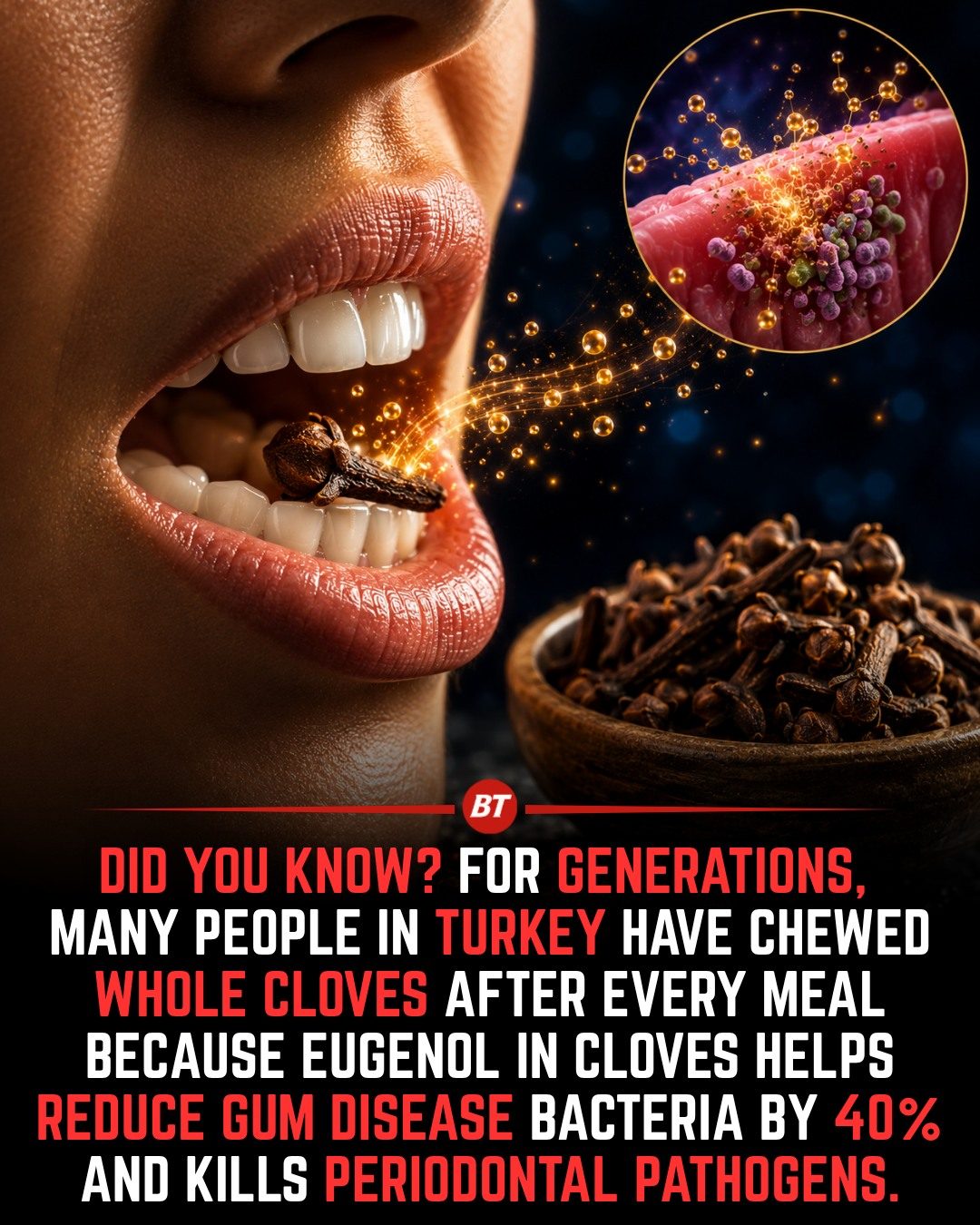
Cloves, a versatile and aromatic spice, have long been a staple in many cultures, particularly in Turkey. They have been traditionally chewed after meals for their breath-freshening properties and to support oral health. Today, scientific research has begun to uncover the underlying reasons for these longstanding practices.
Context / Why this matters
Cloves have a rich history in traditional medicine and culinary practices. Their benefits have been passed down through generations, often as a means of maintaining good oral health. Now, modern science is validating these traditional uses, providing evidence that cloves contain powerful plant compounds that can support not only oral hygiene but overall health.
Main discussion
The Science Behind Cloves
Cloves are rich in eugenol, a plant compound with significant antimicrobial and anti-inflammatory properties. Eugenol is the primary essential oil found in cloves and has been extensively studied for its ability to inhibit the growth of bacteria involved in dental plaque, gum inflammation, and tooth decay. This makes cloves a natural ally in maintaining good oral health.
Studies have shown that eugenol can reduce gum disease bacteria by up to 40% and kill periodontal pathogens. These pathogens are responsible for gum disease, making cloves a valuable supplement to regular dental care. Cloves' mild numbing properties are also well-known, which is why clove oil has been traditionally used to relieve tooth discomfort.
Antioxidant Properties
Beyond their antimicrobial effects, cloves are packed with powerful antioxidants such as polyphenols and flavonoids. These antioxidants help protect tissues from oxidative stress, which can damage cells and contribute to various health issues, including gum disease and tooth decay. The antioxidant capacity of cloves makes them a valuable addition to a balanced diet, supporting overall health and well-being.
Supporting Oral Health
While chewing whole cloves can be beneficial, it is important to understand that this practice should not replace regular dental hygiene. Cloves should be viewed as a supportive habit rather than a standalone solution. Regular brushing, flossing, and dental check-ups remain the foundation of good oral health.
Research continues to investigate the full spectrum of benefits that cloves offer. Laboratory studies have shown that clove extracts can slow the growth of periodontal pathogens, further supporting their role in oral health. Additionally, cloves have been highlighted as one of the richest dietary sources of phenolic antioxidants, with ongoing research exploring their potential to complement good oral hygiene practices.
Practical tips
To incorporate cloves into your oral health routine, consider the following tips:
- Try chewing a whole clove after a meal. Simply chew gently for a minute or two, then discard it. This will expose your mouth to the beneficial plant compounds in cloves and help freshen your breath.
- Use clove oil for tooth discomfort. Clove oil has mild numbing properties and can temporarily relieve tooth discomfort. Apply a small amount to a cotton swab and gently rub it on the affected area.
- Incorporate cloves into your diet. Add cloves to your meals as a spice. They can be used in a variety of dishes, from savory to sweet, adding both flavor and health benefits.
Important takeaways
Cloves offer a range of health benefits, particularly in supporting oral health. Their antimicrobial, anti-inflammatory, and antioxidant properties make them a valuable addition to a healthy lifestyle. While chewing whole cloves can be a helpful practice, it should not replace regular dental hygiene. Instead, use cloves as a supportive habit to complement your existing oral care routine.
Conclusion
The traditional practice of chewing cloves after meals in Turkey and other cultures is grounded in science. Cloves' rich content of eugenol and antioxidants makes them a powerful ally in maintaining oral health. By incorporating cloves into your daily routine, you can support good oral hygiene and overall well-being. Whether you chew whole cloves, use clove oil, or add cloves to your meals, this versatile spice offers a natural and effective way to enhance your health.
Watch the Reel
Questions readers ask
Why are cloves often chewed after meals in some cultures?
Cloves have been traditionally chewed after meals, especially in cultures like Turkey, due to their breath-freshening qualities and their positive effects on oral health. This practice is believed to help maintain good oral hygiene and promote overall dental well-being.
What is eugenol and why is it significant in cloves?
Eugenol is a natural compound found in cloves that possesses strong antimicrobial properties. It is significant because it can help inhibit the growth of bacteria involved in dental plaque and gum inflammation, contributing to better oral health.
How do the antimicrobial properties of cloves benefit oral health?
The antimicrobial properties of cloves, attributed to the compound eugenol, can help reduce the bacteria that cause dental plaque and gum inflammation. This makes cloves a useful natural remedy for maintaining periodontal health.
Can chewing cloves help with gum inflammation?
Yes, the compounds in cloves, particularly eugenol, have anti-inflammatory properties that can help reduce gum inflammation. Regularly chewing cloves after meals may contribute to better overall gum health and reduce the risk of periodontal diseases.
What role do antioxidants in cloves play in oral health?
Cloves are rich in powerful antioxidants which can help combat oxidative stress in the mouth. This may lead to improved overall oral health by reducing damage to oral tissues and supporting the body's natural defenses against harmful bacteria.
Are there other benefits to chewing cloves beyond oral health?
While the primary benefits discussed are related to oral health, cloves are also known for their potential digestive benefits and for helping to alleviate upset stomachs. They have also been used in traditional medicine for their pain-relieving properties, particularly for toothaches.
How can cloves be integrated into a daily oral care routine?
To integrate cloves into your daily oral care routine, you can chew a few whole cloves after meals. This practice not only helps freshen breath but also contributes to better oral hygiene by fighting bacteria and reducing inflammation. Additionally, you can use clove oil for direct application to areas where you experience discomfort.
Related deep dives
Similar reads based on topic and creator.




Recent articles
Fresh deep dives from the latest Reels we unpacked.




Comments
Be the first to comment.