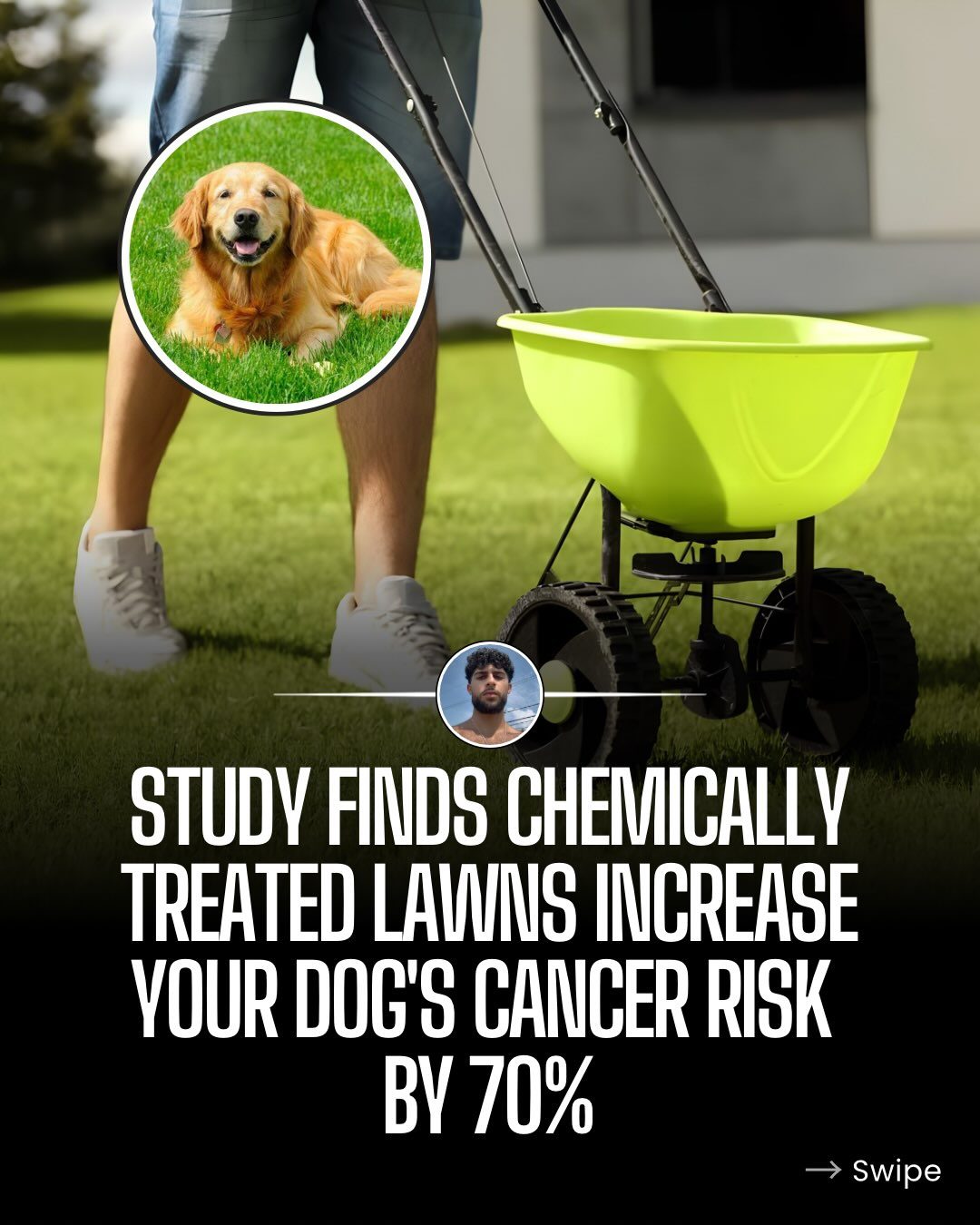
Dog Cancer Risk: The Surprising Link to Lawn Pesticides
Maintaining a lush, green lawn often involves the use of various chemicals, such as pesticides and herbicides. However, recent studies have shed light on a concerning issue: the potential health risks these chemicals pose to our canine companions.
Context / Why This Matters
Dogs are beloved members of many families, and their health and well-being are paramount. Understanding the environmental factors that can affect their health is crucial for responsible pet ownership. One such factor is the use of lawn pesticides and herbicides, which have been linked to an increased risk of cancer in dogs.
Understanding the Study
A comprehensive six-year study conducted by Tufts University revealed alarming findings. The research indicated that dogs exposed to professionally applied lawn pesticides had a 70% higher risk of developing canine malignant lymphoma (CML), a type of cancer that affects the immune system. This study underscores the importance of being mindful of the chemicals we use in our homes and yards, as they can have significant health implications for our pets.
The Role of Pesticides
Pesticides are commonly used to control pests and weeds in lawns and gardens. However, the chemicals in these products can be harmful to dogs, especially when they are applied professionally and in high concentrations. Dogs can be exposed to these chemicals through direct contact, ingestion, or inhalation, leading to potential health risks.
Professional Application vs. DIY
The study specifically highlighted the risks associated with professionally applied pesticides. While DIY products may also pose risks, the concentrated and targeted application methods used by professionals can increase the exposure levels for pets. This is particularly concerning for dogs that spend a lot of time outdoors or have access to treated lawns.
The Impact on Canine Health
Canine malignant lymphoma is a serious health condition that affects the immune system. It can cause a range of symptoms, including weight loss, lethargy, and enlarged lymph nodes. Early detection and treatment are crucial, but prevention is always the best course of action. Understanding the link between lawn pesticides and CML can help pet owners take proactive steps to protect their dogs.
Practical Tips
Given the potential risks, it's essential to take measures to minimize your dog's exposure to lawn pesticides. Here are some practical tips to keep your pet safe:
Opt for Natural Alternatives
Consider using natural or organic lawn care products that are less likely to contain harmful chemicals. These products can be just as effective in controlling pests and weeds without posing the same risks to your dog's health.
Limit Exposure
If you must use pesticides, take steps to limit your dog's exposure. Keep your dog indoors or in a separate area while the products are being applied and for a few days afterward. This allows the chemicals to dissipate and reduces the risk of exposure.
Regular Vet Checks
Regular veterinary check-ups are essential for detecting any health issues early. If your dog shows symptoms of illness, such as lethargy, weight loss, or enlarged lymph nodes, consult your vet immediately. Early detection can significantly improve the chances of successful treatment.
Lawn Maintenance
Maintain your lawn in a way that reduces the need for pesticides. Regular mowing, watering, and aeration can help keep your lawn healthy and minimize the need for chemical treatments. Additionally, using natural fertilizers and compost can promote a healthy lawn without the use of harmful chemicals.
Educate Yourself
Stay informed about the products you use in your yard. Read labels carefully and understand the potential risks associated with each product. By being aware, you can make more informed decisions about the products you use and the steps you take to protect your dog's health.
Important Takeaways
- Increased Risk: Dogs living in homes with professionally applied lawn pesticides have a 70% higher risk of developing canine malignant lymphoma.
- Natural Alternatives: Opt for natural or organic lawn care products to reduce the risks.
- Limit Exposure: Keep your dog away from treated areas and maintain regular vet check-ups.
- Maintain a Healthy Lawn: Regular lawn care practices can promote a healthy lawn, reducing the need for chemical treatments.
- Educate Yourself: Understand the risks associated with the products you use and make informed decisions.
Conclusion
The link between lawn pesticides and an increased risk of cancer in dogs is a critical issue that every pet owner should be aware of. By taking proactive steps to minimize exposure and opt for natural alternatives, you can help protect your dog's health and well-being. Regular vet check-ups and a healthy lawn maintenance routine are also essential for keeping your dog safe and healthy.
Watch the Reel
Questions readers ask
What specific cancers in dogs are linked to lawn pesticides?
The study by Tufts University specifically highlighted an increased risk of canine malignant lymphoma in dogs exposed to lawn pesticides. This type of cancer is a serious concern for pet owners, as it is a form of cancer that affects the lymphatic system.
How does the risk of cancer in dogs increase with lawn pesticide exposure?
Dogs that are exposed to professionally applied lawn pesticides have a 70% higher risk of developing canine malignant lymphoma compared to those that are not exposed. This significant increase underscores the importance of being mindful of the chemicals used on lawns where pets spend a lot of time.
Are certain dogs more at risk than others?
Dogs that spend a considerable amount of time outdoors are particularly at risk. This is because they have more exposure to the chemicals present in the lawn, increasing their chances of developing health issues, including cancer.
What types of lawn treatments should pet owners be concerned about?
Pet owners should be particularly concerned about the use of pesticides and herbicides, whether applied professionally or by the homeowner. These chemicals are commonly used to maintain lawns, but they have been linked to health risks in dogs, including cancer.
What steps can pet owners take to protect their dogs from lawn pesticide risks?
To minimize the risk, pet owners can opt for natural or organic lawn care methods that avoid the use of harsh chemicals. Additionally, keeping dogs away from treated areas until the chemicals have been absorbed into the soil, and monitoring the use of lawn treatments can help reduce exposure.
What are some signs of canine malignant lymphoma that dog owners should look out for?
Signs of canine malignant lymphoma may include swollen lymph nodes, lethargy, weight loss, decreased appetite, and persistent fever. If any of these symptoms are observed, it is crucial to consult with a veterinarian for proper diagnosis and treatment.
How can pet owners find out if their lawn has been treated with potentially harmful chemicals?
Pet owners can ask their lawn care service providers about the specific products used and request information on the ingredients. Many companies provide labels or safety data sheets that detail the chemicals in their treatments. Additionally, opting for organic or pet-friendly lawn care services can help ensure the safety of pets.
Recent articles
Fresh deep dives from the latest Reels we unpacked.




Comments
Be the first to comment.