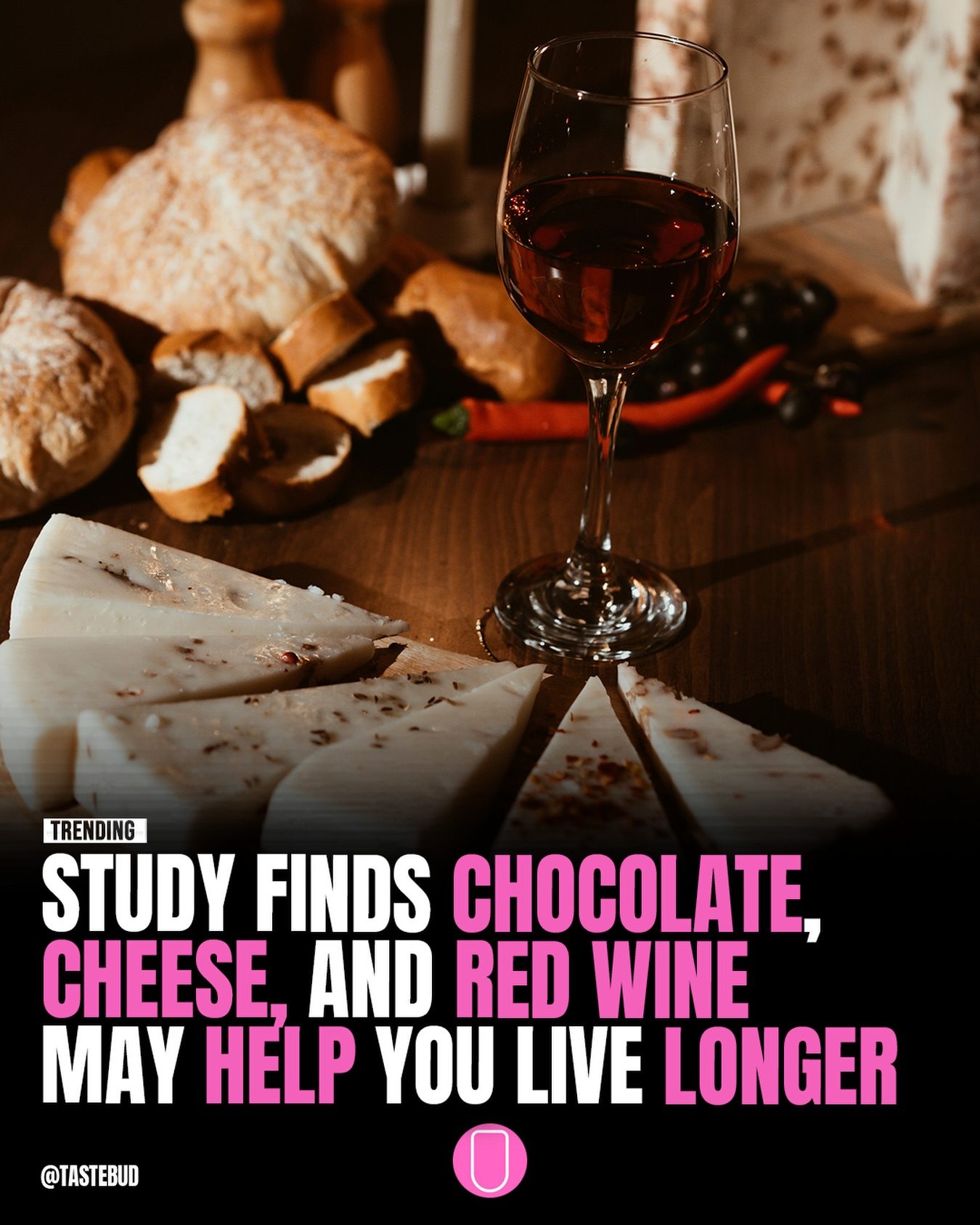
Cheese, Chocolate, and Red Wine
Indulging in dark chocolate, cheese, and red wine is often met with guilt, as these foods are frequently deemed unhealthy. However, recent studies paint a more nuanced picture, suggesting that moderate consumption of these treats may offer surprising health benefits, particularly for heart health.
Why This Matters
Understanding the potential benefits of consuming dark chocolate, cheese, and red wine can help us make more informed dietary choices. While it's important to maintain a balanced diet, knowing that moderate enjoyment of these foods might contribute to a longer lifespan and better heart health can help shift our perspective on occasional indulgences.
The Link to Heart Health
Studies from reputable sources like the European Journal of Preventive Cardiology have found that moderate intake of polyphenol-rich foods, such as dark chocolate and red wine, can support heart health. Polyphenols are powerful antioxidants that help reduce oxidative stress in the body, which can contribute to better overall health. Additionally, these polyphenols may support circulation and improve cardiovascular function.
Dark chocolate is rich in flavonoids, a type of polyphenol that has been shown to lower blood pressure and improve blood flow. Red wine also contains resveratrol, another antioxidant that has been linked to a variety of health benefits, including improved heart health and reduced inflammation.
The Role of Cheese
Cheese, often perceived as high in calories and saturated fats, can also play a beneficial role when consumed in moderation. Some studies suggest that the fats in cheese, particularly the saturated fats, can increase levels of high-density lipoprotein (HDL) cholesterol, often referred to as "good" cholesterol. HDL helps remove other forms of cholesterol from your bloodstream, potentially reducing the risk of heart disease.
Main Discussion
The Benefits of Moderation
It's important to note that the benefits of dark chocolate, cheese, and red wine are strongly tied to moderation. Consuming these foods in excess can negate their positive effects and add unnecessary risks to your health. For example, while red wine has antioxidant properties, excessive alcohol consumption can lead to a host of health issues, including liver disease and high blood pressure.
What Does Moderation Look Like?
Moderation can vary depending on individual health factors and dietary guidelines. Generally, moderate consumption of alcohol is defined as up to one drink per day for women and up to two drinks per day for men. A single serving of red wine is typically 5 ounces. In terms of dark chocolate, a small portion—about an ounce—can provide the antioxidant benefits without the added calories and sugar. For cheese, a serving size is usually around 1.5 to 2 ounces, depending on the type.
Practical Tips
Here are some practical tips for incorporating dark chocolate, cheese, and red wine into your diet while maintaining a balanced approach:
Choose the Right Types
- Dark Chocolate: Opt for dark chocolate with a high cocoa content (70% or higher) to maximize the antioxidant benefits.
- Cheese: Select cheeses that are lower in sodium and saturated fats, such as goat cheese or feta, and pair them with whole-grain crackers or fruits to balance the meal.
- Red Wine: Look for red wines with lower alcohol content and higher antioxidant levels, such as Pinot Noir, which is known for its resveratrol content.
Important Takeaways
- Dark chocolate, cheese, and red wine can offer health benefits when consumed in moderation.
- These foods are rich in polyphenols and antioxidants that support heart health and circulation.
- Moderation is key to enjoying these benefits without the associated risks.
Practical Tips
Here are some practical tips for incorporating dark chocolate, cheese, and red wine into your diet while maintaining a balanced approach:
Choose Quality Over Quantity
When enjoying dark chocolate, opt for high-quality brands that are rich in cocoa content. The higher the cocoa percentage, the more flavonoids you'll be consuming. For cheese, choose varieties that are lower in sodium and saturated fats, and pair them with fruits or whole-grain crackers to balance the meal. When it comes to red wine, look for varieties that are lower in alcohol content and higher in antioxidants, such as Pinot Noir or Merlot.
Incorporate into Balanced Meals
Instead of consuming these foods as standalone snacks, incorporate them into balanced meals. For example, pair a small piece of dark chocolate with a bowl of mixed berries, or enjoy a glass of red wine with a meal rich in lean proteins and vegetables. This will help you enjoy the benefits of these foods while maintaining a well-rounded diet.
Listen to Your Body
Pay attention to how your body responds to these foods. If you find that consuming any of these items leads to discomfort or adverse effects, consider reducing your intake or avoiding them altogether. Everyone's body reacts differently to food, and it's important to tailor your diet to your individual needs.
Stay Informed
Keep up with the latest research and recommendations regarding the health benefits of dark chocolate, cheese, and red wine. Scientific studies are continually evolving, and new findings may emerge that could influence how we understand and consume these foods.
Be Mindful of Portion Sizes
Understand and adhere to the recommended portion sizes to ensure that you're gaining the benefits without overdoing it. For red wine, a standard serving is 5 ounces, while a small piece of dark chocolate (about an ounce) and a serving of cheese (around 1.5 to 2 ounces) should be sufficient.
Balance Your Diet
While these foods can offer some health benefits, they should not be the backbone of your diet. Ensure that you're consuming a variety of nutrient-dense foods, including fruits, vegetables, lean proteins, and whole grains. A balanced diet is key to maintaining overall health and well-being.
Conclusion
In conclusion, enjoying dark chocolate, cheese, and red wine in moderation can offer surprising health benefits, particularly for heart health. By choosing the right types, incorporating them into balanced meals, and paying attention to portion sizes, you can enjoy these treats while maintaining a healthy lifestyle. The key is to strike a balance, ensuring that these foods enhance rather than detract from your overall wellness.
Watch the Reel
Questions readers ask
What are the specific heart health benefits of drinking red wine in moderation?
Moderate red wine consumption has been linked to improved heart health due to its polyphenol content. These compounds help reduce inflammation, improve blood vessel function, and increase levels of 'good' cholesterol (HDL). Studies, like those published in the European Journal of Prevention, suggest that these effects can contribute to a lower risk of heart disease and may even extend lifespan.
How does dark chocolate consumption improve circulation?
Dark chocolate is rich in flavonoids, a type of polyphenol that promotes nitric oxide production in the body. Nitric oxide helps relax blood vessels, improving blood flow and reducing blood pressure. This enhanced circulation can lower the risk of heart disease and support overall cardiovascular health.
What are the potential benefits of including cheese in a balanced diet?
Cheese contains essential nutrients like calcium, protein, and vitamins A and B12. When consumed as part of a balanced diet, cheese may contribute to heart health by lowering blood pressure and improving cholesterol levels. Additionally, the probiotics in some cheeses can support gut health, which is linked to overall well-being.
Is there a recommended amount of red wine for heart health benefits?
To reap the potential heart health benefits, moderate your red wine intake to no more than one 5-ounce glass per day for women and up to two 5-ounce glasses per day for men. Excessive alcohol consumption can negate these benefits and pose significant health risks.
Can dark chocolate help reduce inflammation in the body?
Yes, dark chocolate with a high cocoa content (70% or more) contains powerful antioxidants and polyphenols that can help reduce inflammation. These compounds neutralize free radicals, which can otherwise cause cellular damage and contribute to chronic inflammation.
How do the polyphenols in dark chocolate and red wine contribute to a longer lifespan?
Polyphenols in dark chocolate and red wine have been shown to slow the aging process by protecting cells from damage and reducing inflammation. They also support heart health, which is a key factor in longevity. By incorporating these foods in moderation, you may help enhance overall health and contribute to a longer lifespan.
Are there any specific types of cheese that are better for heart health?
Cheeses that are lower in sodium and saturated fat, such as goat cheese, mozzarella, and feta, may be better choices for heart health. These cheeses can still provide the beneficial nutrients found in cheese while being lower in the elements that contribute to heart disease. Additionally, aged cheeses may contain more beneficial probiotics.
Related deep dives
Similar reads based on topic and creator.




Recent articles
Fresh deep dives from the latest Reels we unpacked.




Comments
Be the first to comment.