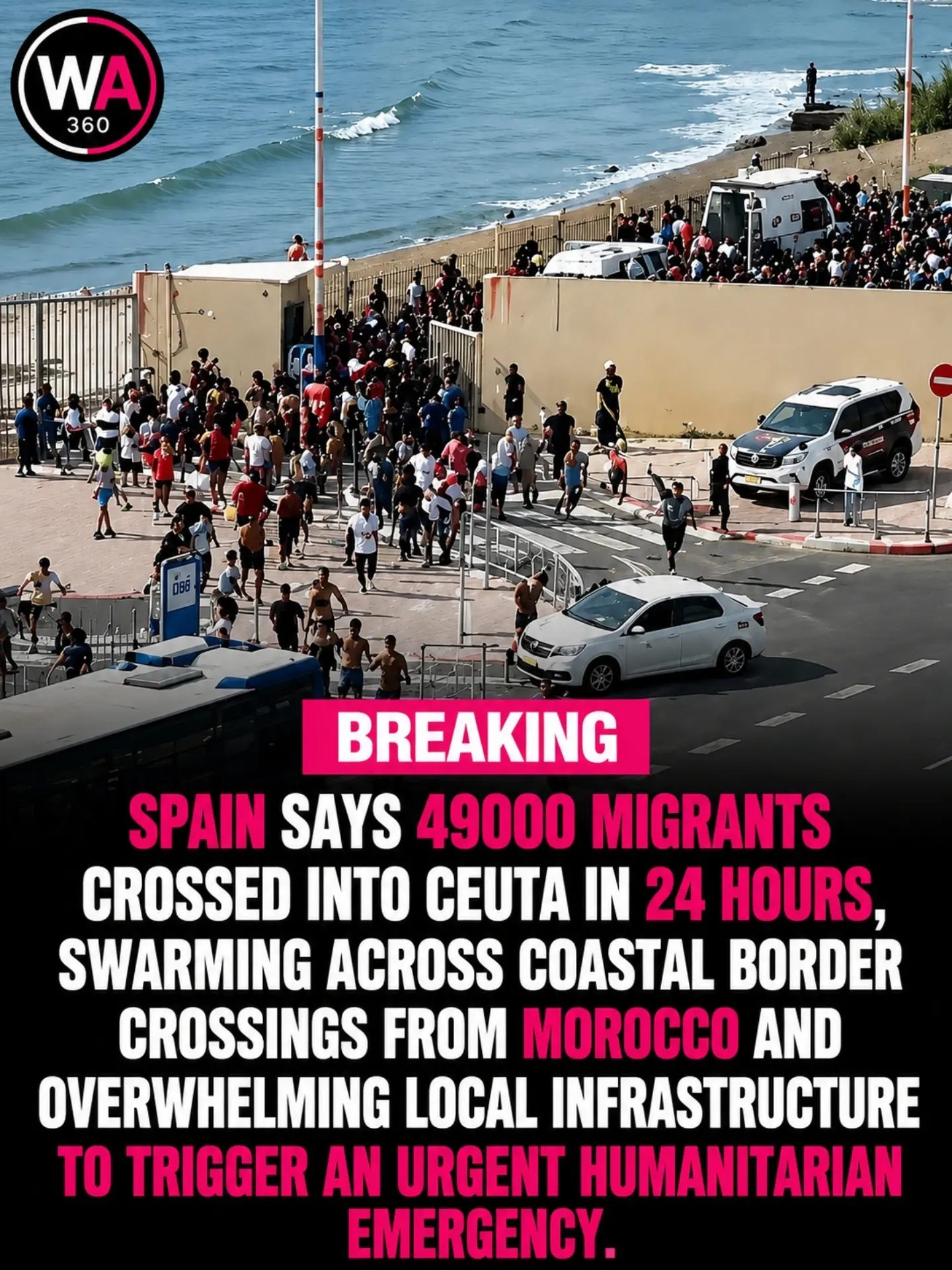
Migrant Crisis in Ceuta: Managing the Sudden Influx
The Spanish enclave of Ceuta, nestled on the northern coast of Africa, is currently grappling with an urgent humanitarian crisis following an unprecedented influx of migrants. Within a mere 24 hours, over 49,000 migrants breached border security, traversing coastal waters from Morocco to enter Ceuta. This massive surge has left local infrastructure, reception facilities, and emergency services severely overwhelmed, prompting Spanish authorities to declare a state of humanitarian emergency.
Why This Matters
Understanding the complexities of the Ceuta migrant crisis is crucial for grasping broader implications for border management and humanitarian responses. The sheer scale of the influx underscores critical debates surrounding border integrity, global migration pressures, and humanitarian management. This event highlights the challenges that countries face in balancing security with the humane treatment of migrants.
The Unfolding Crisis in Ceuta
The Scale of the Influx
The 49,000-migrant influx into Ceuta in just 24 hours is a staggering figure, surpassing any previous recorded event in the region. The rapid and overwhelming nature of this surge has not only strained local infrastructure but also raised serious concerns about the capacity of emergency services to manage such a crisis effectively. The influx has forced authorities to reevaluate their response strategies, emphasizing the need for more robust and flexible systems.
Border Security and Humanitarian Priorities
Managing the border crossing in Ceuta presents a complex dilemma. On one hand, there is a necessity for stringent security measures to prevent unauthorized entries. On the other, there is an urgent need for humanitarian interventions to ensure the well-being of the migrants. Spanish authorities have called for urgent intervention and support from Madrid, underscoring the gravity of the situation and the need for coordinated efforts to address both security and humanitarian concerns.
Global Migration Pressures
The crisis in Ceuta is a microcosm of the broader global migration trends. With increasing pressures from various conflict and economic zones, countries around the world are facing similar challenges. The Ceuta crisis serves as a reminder of the need for international cooperation and comprehensive strategies to manage migration flows. It also highlights the urgent need for dialogue on how to effectively handle sudden surges of migrants, ensuring both national security and humane treatment.
Practical Tips for Managing Similar Crises
Immediate Response Measures
In the immediate wake of a crisis, the focus should be on deploying rapid response teams and establishing temporary reception facilities. This includes setting up medical tents, distributing essential supplies, and ensuring secure and safe accommodations for the migrants. Additionally, coordination with neighboring countries and international organizations can help in managing the situation more effectively.
Long-Term Solutions
Long-term solutions involve strengthening border security infrastructure and improving reception and integration programs. This includes investing in advanced surveillance technologies, building more robust facilities, and establishing comprehensive programs for integrating migrants into the local community. Furthermore, fostering international collaborations can provide additional resources and expertise to manage such crises.
Important Takeaways
The Need for Preparedness
The Ceuta crisis underscores the importance of preparedness and proactive planning in managing migrant influxes. Preparedness involves not only bolstering security measures but also ensuring the availability of humanitarian resources and infrastructure. By being proactive, authorities can better handle sudden surges and mitigate the impact on local communities.
Balancing Security and Humanitarian Needs
The dilemma between security and humanitarian priorities is a delicate one. Effective crisis management requires a balanced approach that ensures both national security and the humane treatment of migrants. This involves developing comprehensive strategies that address both aspects without compromising either.
Conclusion
The migrant crisis in Ceuta serves as a stark reminder of the challenges and complexities of managing sudden influxes of migrants. The unprecedented scale of the influx, coupled with the overwhelmed local infrastructure, highlights the need for robust and flexible response strategies. Effective management of such crises requires a balanced approach that addresses both security and humanitarian concerns while fostering international cooperation and comprehensive planning.
Watch the Reel
Questions readers ask
What triggered the recent crisis in Ceuta?
The recent crisis in Ceuta was triggered by an unprecedented influx of over 49,000 migrants crossing into the Spanish enclave from Morocco within a single day. This sudden and massive influx has overwhelmed local services and infrastructure, prompting a state of humanitarian emergency.
How has the local infrastructure in Ceuta been affected by the migrant influx?
The sudden influx of migrants has severely strained Ceuta's local infrastructure, including reception facilities and emergency services. The sheer volume of people has exceeded the capacity of these services, leading to significant challenges in managing the crisis effectively.
What actions have Spanish authorities taken in response to the crisis?
Spanish authorities have declared a state of humanitarian emergency in response to the crisis. This declaration allows for additional resources and support to be mobilized to address the immediate needs of the migrants and to manage the overwhelmed local services and infrastructure.
What are the main concerns regarding border management in Ceuta?
The main concerns regarding border management in Ceuta include the security of the border, the capacity to manage large influxes of migrants, and the humane treatment of those attempting to cross. The recent crisis has highlighted the need for more effective border control measures and improved infrastructure to handle such situations.
How are migrants crossing into Ceuta from Morocco?
Migrants are primarily crossing into Ceuta from Morocco by traversing coastal waters. This route has been used extensively due to its proximity and the perceived difficulties in securing such a vast border area, leading to a large influx of migrants in a short period.
What international attention has the Ceuta migrant crisis received?
The Ceuta migrant crisis has garnered significant international attention due to its scale and the urgent humanitarian needs it presents. Various global organizations and countries have been alerted to the situation, highlighting the broader implications for migration policies and border management strategies worldwide.
Recent articles
Fresh deep dives from the latest Reels we unpacked.




Comments
Be the first to comment.