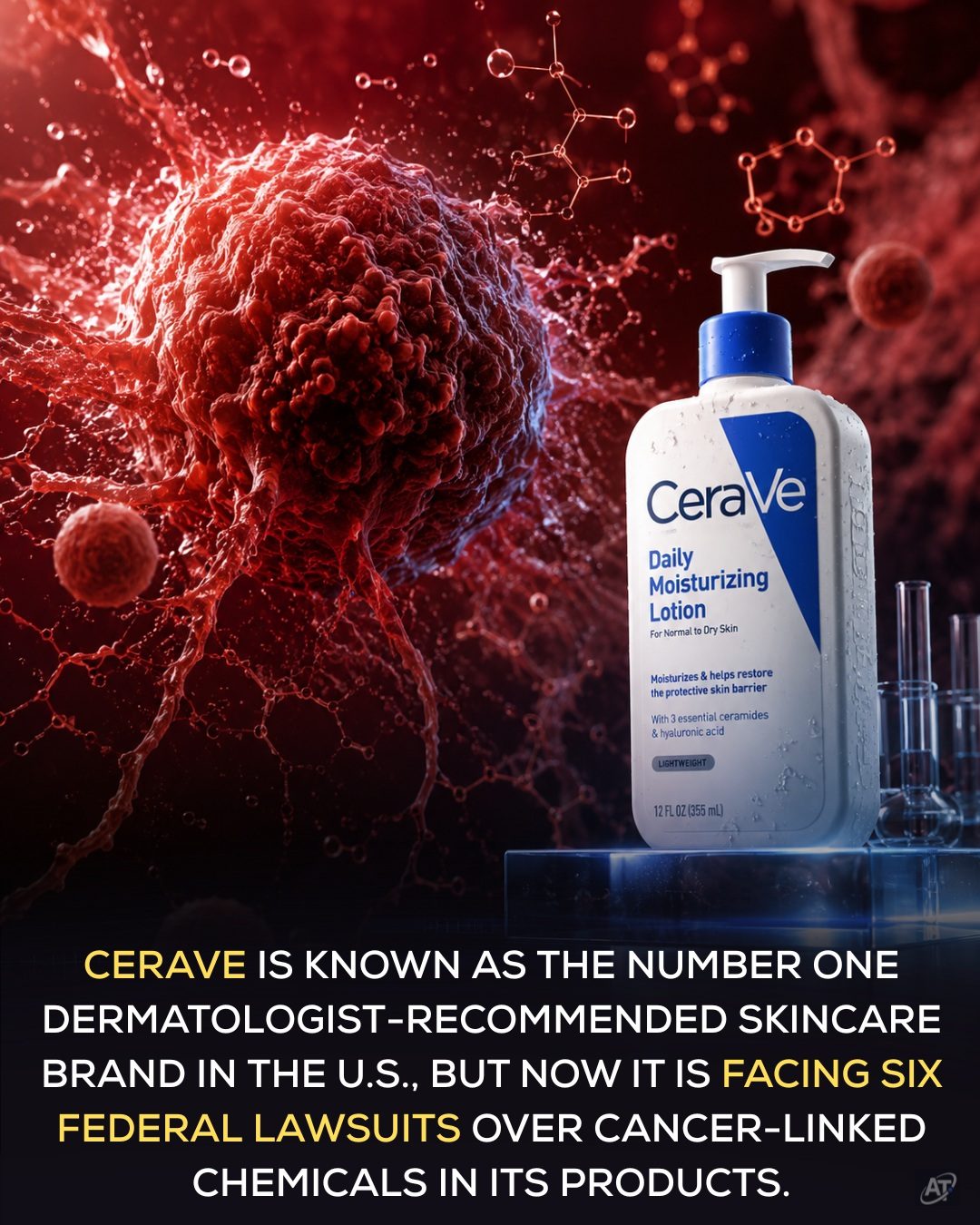
Benzoyl Peroxide in Skincare Products: What You Need to Know
The recent lawsuits against CeraVe's acne products have sparked concern about benzoyl peroxide and its potential breakdown into benzene, a known carcinogen. The controversy highlights the importance of understanding the science behind skincare ingredients and the context surrounding these legal actions.
Context
Benzoyl Peroxide and Benzene
Benzoyl peroxide is a common ingredient in over-the-counter acne treatments, known for its ability to reduce acne-causing bacteria and promote skin healing. However, it has been discovered that benzoyl peroxide can decompose into benzene when exposed to heat over time. Benzene is classified as a known human carcinogen by the International Agency for Research on Cancer, which has raised concerns about its presence in skincare products.
Understanding the Lawsuits
The CeraVe Case
The lawsuits filed against CeraVe specifically target two of its acne products:
- CeraVe Acne Foaming Cream Cleanser with 4% benzoyl peroxide
- CeraVe Acne Foaming Cream Wash with 10% benzoyl peroxide
The complaints allege that these products can produce benzene, and that consumers were not adequately warned about this potential risk.
Valisure's Accelerated Stability Tests
The lawsuits rely on testing conducted by Valisure, an independent laboratory. Valisure's accelerated stability tests exposed benzoyl peroxide products to heat, simulating conditions that might occur in a bathroom. The tests found that some products, including a sample of CeraVe, showed increasing levels of benzene when heated to 50°C (122°F). Specifically, the CeraVe sample reached benzene levels of roughly 5 to 12 parts per million (ppm) during testing.
However, it's crucial to understand that these results do not imply that every bottle of these products contains such levels of benzene under typical bathroom conditions. The testing conditions were extreme and designed to accelerate the decomposition process.
FDA's Findings
The FDA has also conducted tests on benzoyl peroxide acne products. Out of 95 products tested, more than 90% contained either undetectable or extremely low levels of benzene. Six products were removed from the market, but CeraVe's products were not included in this recall. The FDA stated that the cancer risk associated with the benzene levels it detected is very low, even with prolonged, daily use.
Benzoyl Peroxide and Benzene: The Science Behind the Claims
Benzene and Cancer
Benzene is indeed linked to an increased risk of leukemia and other blood disorders. However, the evidence for these risks comes primarily from studies of occupational exposure, where individuals were exposed to high levels of benzene over long periods. The levels found in some benzoyl peroxide products are significantly lower and do not necessarily translate to the same level of risk.
Daily Use and Cancer Risk
While benzoyl peroxide products can produce benzene, the levels detected by the FDA and Valisure do not support the conclusion that daily use of these products causes cancer. It's essential to recognize that the context and severity of exposure matter significantly in determining health risks.
Important Considerations for Consumers
Consumers should consider several factors when evaluating the safety of benzoyl peroxide products:
Product-Specific Information
Check the exact product, lot number, and expiration date. Follow the storage instructions carefully, and avoid leaving benzoyl peroxide treatments in excessively hot environments.
Safety Testing
When considering switching brands, look for transparent and current safety testing rather than assuming that natural or independently owned brands are automatically safer.
Benzoyl Peroxide Benefits
Benzoyl peroxide remains an effective treatment for acne, and for many people, the benefits outweigh the potential risks associated with benzene exposure.
Practical Tips
Choosing Acne Products
When choosing acne products, consider the following:
- Read the Label: Look for clear information about ingredients and any potential contaminants.
- Storage: Store products in a cool, dry place away from excessive heat.
- Expiration Dates: Check the expiration date and do not use products past their recommended use-by date.
- Brand Reputation: Choose products from reputable brands known for rigorous safety testing and transparent manufacturing practices.
Consult Professionals
If you have concerns about acne treatment or skincare products, consult a dermatologist. They can provide personalized advice based on your skin type and concerns.
Important Takeaways
Benzene Levels in Products
Benzene levels in benzoyl peroxide products are generally low, and the risk of cancer from daily use is considered minimal by regulatory authorities.
Importance of Context
Understanding the context of testing conditions and the actual use of products is crucial. Extreme testing conditions do not always reflect real-world scenarios.
Transparency and Safety
Look for brands that prioritize transparency and rigorous safety testing. This can help ensure that products are safe for everyday use.
Conclusion
The recent controversy surrounding CeraVe's acne products has brought attention to the potential health risks associated with benzoyl peroxide. It's important to understand the science behind these claims, the context of the testing conditions, and the actual levels of benzene found in products. By taking practical steps to ensure safe use and choosing trustworthy brands, consumers can continue to benefit from effective acne treatments while minimizing potential risks.
Watch the Reel
Questions readers ask
What are the recent CeraVe lawsuits about?
The recent CeraVe lawsuits involve claims that the company's acne products, containing benzoyl peroxide, may break down into benzene, a substance known to cause cancer. Plaintiffs argue that CeraVe did not provide adequate warnings about this potential risk.
What is benzoyl peroxide and why is it used in acne treatments?
Benzoyl peroxide is a common ingredient in over-the-counter acne treatments. It works by killing acne-causing bacteria and helping to heal skin. However, recent concerns have arisen due to its potential to break down into benzene, a known carcinogen, when exposed to heat over time.
How does benzoyl peroxide turn into benzene?
Benzoyl peroxide can decompose into benzene when exposed to heat over time. This chemical change has raised concerns about the safety of products containing benzoyl peroxide, especially those used daily for acne treatment.
Is benzene dangerous?
Yes, benzene is classified as a known human carcinogen by the International Agency for Research on Cancer. Exposure to benzene has been linked to an increased risk of certain types of cancer, particularly leukemia.
Which CeraVe products are involved in the lawsuits?
The lawsuits primarily involve CeraVe's acne products, including the foaming cleanser and acne cream, which contain benzoyl peroxide. The legal actions focus on the potential for these products to break down into benzene and the adequacy of consumer warnings.
What should consumers do if they use CeraVe acne products?
Consumers who use CeraVe acne products should be aware of the potential risks and consider consulting with a healthcare professional. Additionally, they can monitor for any updates or recalls from CeraVe regarding these products.
Related deep dives
Similar reads based on topic and creator.



Recent articles
Fresh deep dives from the latest Reels we unpacked.




Comments
Be the first to comment.