Healthy Aging Secrets
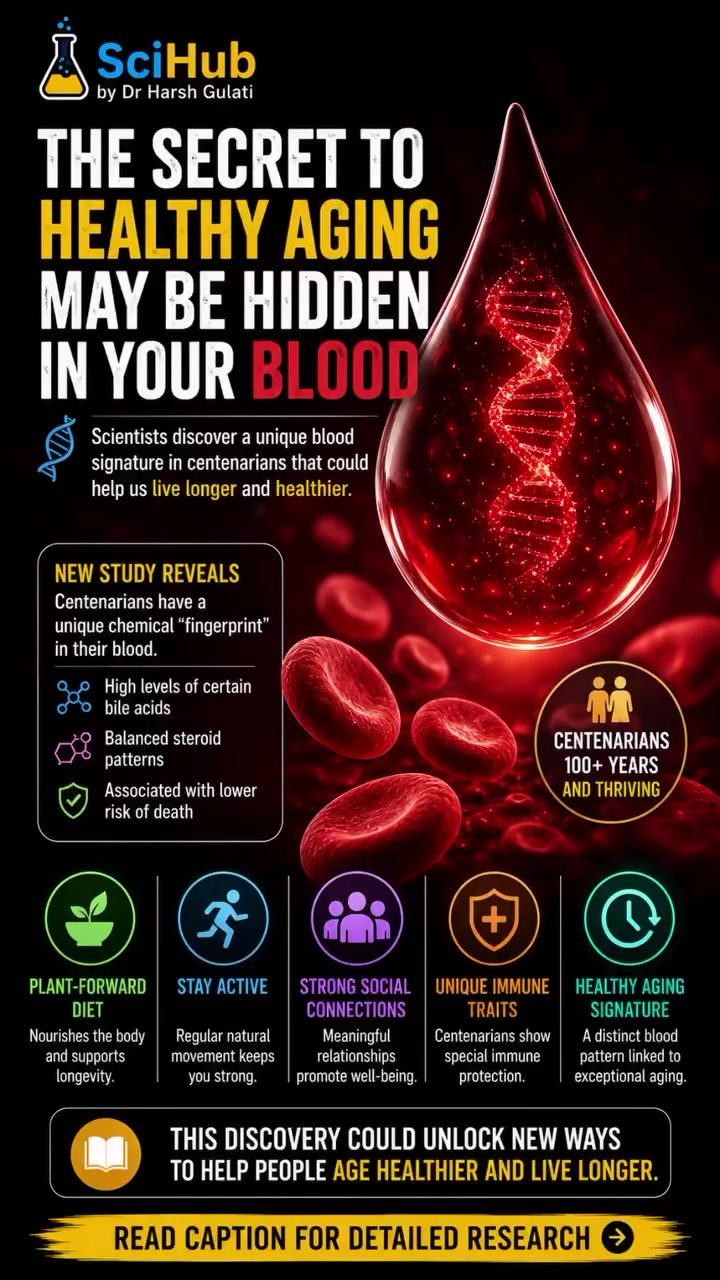
In recent medical research, there's a fascinating discovery: the secret to healthy aging might be hidden in our blood. Scientists have identified that people who live beyond 100 years often have a unique chemical "fingerprint" in their blood, setting them apart from those who age normally.
Why this Matters
Understanding the factors that contribute to exceptional longevity and healthy aging is crucial for developing strategies to improve healthspan. By identifying the biological markers and lifestyle factors associated with longevity, researchers and health practitioners can work towards enhancing overall well-being and reducing age-related diseases.
The Role of Blood Chemistry in Healthy Aging
Unique Blood Chemical Fingerprint
A study from Boston University School of Medicine revealed that centenarians possess a distinct blood chemical signature. Researchers analyzed nearly 1,500 blood molecules and found that people who lived past 100 had unique patterns of bile acids, steroids, and other metabolites. These patterns are linked with healthy aging, lower mortality risk, and exceptional longevity. This discovery highlights the potential of blood biomarkers to revolutionize how we approach aging.
Biochemical Insights
The unique blood chemical fingerprint in centenarians includes:
- Higher levels of certain bile acids, which are associated with a lower risk of death.
- Distinct patterns of steroids and other metabolites, which may contribute to better immune function and overall health.
- These biochemical traits could one day help measure biological age, predict healthy aging, and track the effects of diet and lifestyle on longevity.
Lifestyle Factors for Healthy Aging
Diet
A plant-forward diet plays a significant role in nurturing the body and supporting longevity. This type of diet focuses on whole, nutritious foods and limits processed, high-sugar, and high-fat items. Plant-forward diets are rich in:
- Fruits and vegetables
- Whole grains
- Legumes
- Nuts and seeds
- Healthy fats
These foods provide essential vitamins, minerals, and antioxidants that support overall health and reduce the risk of age-related diseases.
Exercise
Regular natural movement is essential for maintaining strength and mobility as we age. This includes activities like:
- Walking
- Swimming
- Cycling
- Gardening
- Yoga
Incorporating regular exercise into daily routines helps improve cardiovascular health, muscle strength, and flexibility, contributing to a healthier and more active lifestyle.
Social Connections
Social links are crucial for mental and emotional well-being. Strong social connections can:
- Provide emotional support
- Reduce stress
- Encourage healthy behaviors
- Enhance cognitive function
Building and maintaining meaningful relationships can significantly promote well-being and contribute to a longer, healthier life.
Unique Immune Traits in Centenarians
Centenarians exhibit special immune protection, which contributes to their longevity. This enhanced immune function helps them fight off infections and diseases more effectively than the average person.
Immune System Benefits
- Better response to vaccinations
- Enhanced ability to recognize and eliminate pathogens
- Lower risk of age-related illnesses
Understanding these unique immune traits can provide valuable insights into developing new therapies and interventions to improve immune function and slow age-related decline.
Practical Tips
Incorporate a Plant-Forward Diet
Switching to a plant-forward diet doesn't mean you have to eliminate all animal products. Instead, focus on making plants the centerpiece of your meals. Here are a few tips:
- Fill half your plate with fruits and vegetables
- Choose whole grains over refined ones
- Include legumes and nuts in your meals
- Opt for healthy fats like avocados and olive oil
Stay Active
Regular natural movement doesn't have to be intense or time-consuming. Here are some easy ways to stay active:
- Take a daily walk, even if it's just around the block
- Incorporate short exercise breaks throughout the day
- Engage in activities you enjoy, like dancing or gardening
Build Strong Social Connections
Maintaining strong social connections can greatly enhance your well-being. Here are some tips:
- Reach out to friends and family regularly
- Join clubs or groups that align with your interests
- Volunteer in your community
- Engage in meaningful conversations and activities with others
Important Takeaways
The discovery of a unique blood chemical fingerprint in centenarians opens up new possibilities for measuring biological age, predicting healthy aging, and developing therapies to slow age-related decline. By focusing on lifestyle factors such as diet, exercise, and social connections, we can promote well-being and enhance our chances of living longer, healthier lives.
These findings encourage further research and underscore the importance of a holistic approach to healthy aging. By understanding the biochemical and lifestyle factors that contribute to longevity, we can work towards improving overall health and well-being for everyone.
This could pave the way for better health outcomes for everyone. The future of scientific research looks promising, aiming to unlock new ways to help people live healthier and live longer.
Watch the Reel
Questions readers ask
What specific blood molecules are associated with healthy aging in centenarians?
Studies have identified molecules such as bile acids and steroids in the blood of centenarians. These compounds are linked to lower mortality rates and better immune function, making them potential longevity biomarkers.
How does the blood chemistry of centenarians differ from that of younger individuals?
Centenarians often possess a unique chemical 'fingerprint' in their blood, characterized by specific molecules that contribute to their exceptional longevity and robust health. This unique composition sets them apart from younger individuals and those who age typically.
What are some key benefits of understanding the blood chemistry of centenarians?
By studying the blood chemistry of centenarians, researchers can identify biomarkers associated with healthy aging. This knowledge is instrumental in developing strategies to enhance overall well-being, reduce age-related diseases, and ultimately extend healthspan.
Can lifestyle factors influence the blood chemistry related to longevity?
Yes, lifestyle factors such as diet and physical activity play a significant role in shaping blood chemistry. Research suggests that healthy living practices can influence the presence and levels of key molecules, thereby promoting longevity and healthy aging.
What are some practical tips for healthy aging based on centenarian research?
Adopting a balanced diet, engaging in regular physical activity, and maintaining strong social connections are all tips backed by research. These practices can help mimic the positive effects observed in the blood chemistry of centenarians, leading to a healthier, more vibrant life.
Are there ongoing studies on the blood chemistry of centenarians?
Yes, there are ongoing studies and research projects focused on understanding the unique blood chemistry of centenarians. These studies aim to uncover more longevity biomarkers and develop targeted interventions to promote healthy aging and reduce age-related health issues.
Related deep dives
Similar reads based on topic and creator.

Recent articles
Fresh deep dives from the latest Reels we unpacked.




Comments
Be the first to comment.