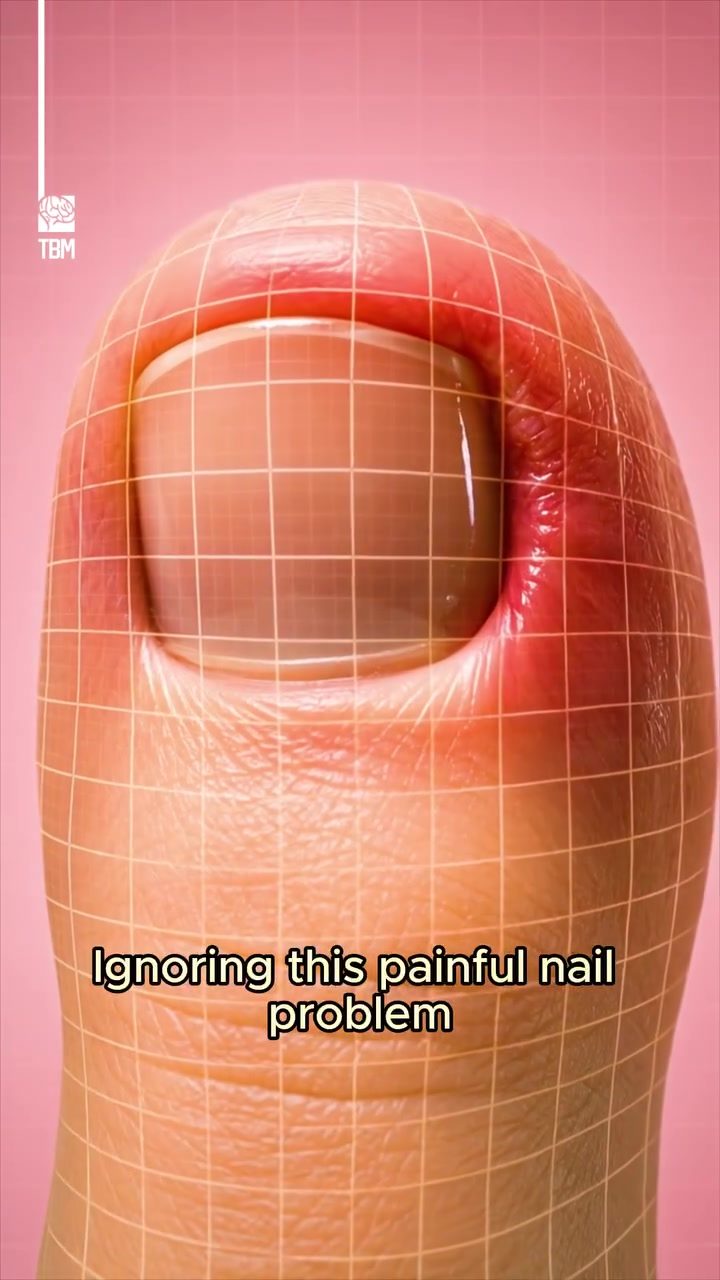
Ingrown Toenails
Ingrown toenails can be a source of discomfort and, if left untreated, can escalate into more serious health issues. Understanding the causes, symptoms, and treatment options can help manage this condition effectively. An ingrown toenail occurs when the edge of the nail grows into the surrounding skin, leading to redness, swelling, and pain. This can be a result of improper nail trimming, wearing tight shoes, or repeated pressure on the toes.
Why This Matters
Ingrown toenails are a common foot problem that can affect people of all ages. While they may start as a minor irritation, they can quickly progress to a severe infection if not addressed promptly. Recognizing the signs and knowing how to manage them can prevent complications and ensure quicker recovery.
Main Discussion
Ingrown toenails develop when the edge of the nail digs into the surrounding skin, causing discomfort and potential infection. The nail usually grows slowly but steadily over time. This can result in various degrees of pain and inflammation, and ignoring it can turn a simple irritation into a major health risk. They are often caused by:
Causes
Several factors contribute to the development of ingrown toenails:
- Improper Nail Trimming: Cutting nails too short or rounding the corners can cause the nail to grow into the skin.
- Tight Footwear: Wearing shoes that are too tight can put pressure on the toes, pushing the nail into the skin.
- Repeated Pressure: Activities that involve repeated pressure on the toes, such as running or playing sports, can lead to ingrown toenails.
- Foot Anatomy: Some people may have naturally curved nails or a wide nail bed, which can increase the risk.
Symptoms
Identifying the symptoms of an ingrown toenail is crucial for timely treatment:
- Redness and Swelling: The affected area may become red and swollen as the nail presses into the skin.
- Pain: Intense pain, especially when wearing shoes or applying pressure to the affected toe.
- Infection: In severe cases, the area may ooze pus, and there may be a foul odor, indicating an infection.
Diagnosis and Treatment
Ingrown toenails can often be managed at home, but sometimes professional help is necessary. Initial treatment usually involves:
- Soaking the Foot: Soaking the affected toe in warm water for 15-20 minutes, 3-4 times a day, can help reduce swelling and soften the skin. Adding Epsom salts to the water can further relieve pain and inflammation.
- Applying Antibiotics: Topical antibiotics can be applied to the affected area to prevent infection. If the infection is severe, oral antibiotics may be prescribed by a healthcare professional.
- Using Cotton or Dental Floss: Placing a small piece of cotton or dental floss under the corner of the nail can lift it away from the skin, allowing it to grow straight.
Professional Treatment
If home remedies are ineffective, or if the area becomes infected, seeking professional help is essential. A healthcare professional may:
- Partially Remove the Nail: In severe cases, a healthcare professional may need to remove part of the nail to relieve pressure and treat the infection.
- Prescribe Oral Antibiotics: For severe infections, oral antibiotics may be prescribed to treat the underlying infection.
- Perform Surgery: In chronic cases, a minor surgical procedure may be necessary to remove the affected portion of the nail and prevent recurrence.
Practical Tips
Managing ingrown toenails effectively involves a combination of prevention and treatment strategies:
- Proper Nail Trimming: Trim nails straight across and avoid rounding the corners. Use a nail file to smooth any sharp edges.
- Wear Appropriate Footwear: Choose shoes that fit well and do not put excessive pressure on the toes. Avoid wearing high heels or tight shoes for extended periods.
- Maintain Good Foot Hygiene: Keep your feet clean and dry. Use foot creams or lotions to prevent dryness and cracking, which can make the nails more likely to become ingrown.
- Regular Foot Checks: Regularly check your feet for signs of ingrown nails, especially if you have diabetes or other conditions that affect blood flow to the feet.
Important Takeaways
Understanding the causes and symptoms of ingrown toenails is the first step in preventing and treating this condition. Recognizing the signs of infection is critical, as prompt treatment can prevent serious complications. Home remedies and professional treatment options are available, and choosing the right approach depends on the severity of the condition. Taking preventive measures, such as proper nail trimming and wearing appropriate footwear, can significantly reduce the risk of developing ingrown toenails.
Conclusion
Ingrown toenails may seem like a minor issue, but they can lead to significant pain and infection if left untreated. By understanding the causes, recognizing the symptoms, and knowing the treatment options, you can manage this condition effectively. Proper foot care and timely intervention can prevent complications and ensure a quicker recovery.
Watch the Reel
Questions readers ask
What are the most common causes of ingrown toenails?
The most common causes of ingrown toenails include improper nail trimming, wearing tight shoes, and repeated pressure on the toes. Additionally, genetic factors, such as nail shape, and injuries to the toe can also contribute to the development of ingrown toenails.
How can I relieve the pain of an ingrown toenail at home?
To relieve the pain of an ingrown toenail at home, you can soak your foot in warm water mixed with Epsom salts for 15-20 minutes, then gently massage the area around the nail. Over-the-counter pain relievers can also be helpful. Avoid tight shoes and trim nails straight across to prevent further discomfort.
When should I seek professional care for an ingrown toenail?
You should seek professional care if you experience severe symptoms such as intense pain, pus, or red streaks leading away from the affected area, which may indicate an infection. Additionally, if home remedies do not provide relief or if you have diabetes or poor circulation, consult a healthcare professional.
How can I prevent ingrown toenails?
To prevent ingrown toenails, ensure you trim your nails straight across and avoid rounding the corners. Wear comfortable, well-fitting shoes and avoid high-impact activities that put repeated pressure on your toes. Maintain good foot hygiene by keeping your feet clean and dry.
What are the signs of an ingrown toenail infection?
Signs of an ingrown toenail infection include increased pain, redness, swelling, and the presence of pus. You may also experience warmth in the affected area and red streaks leading away from the toe, which could indicate that the infection is spreading.
Can soaking my foot help with an ingrown toenail?
Yes, soaking your foot can help with an ingrown toenail. Soak the affected foot in warm water mixed with Epsom salts for 15-20 minutes, 3-4 times a day. This can help soften the skin and reduce inflammation, making it easier to gently lift the nail edge away from the skin.
What should I do if I suspect my ingrown toenail is infected?
If you suspect your ingrown toenail is infected, avoid trying to treat it yourself. Instead, consult a healthcare professional right away. An untreated infection can spread and lead to more severe health issues, especially if you have underlying conditions such as diabetes.
Related deep dives
Similar reads based on topic and creator.


Recent articles
Fresh deep dives from the latest Reels we unpacked.




Comments
Be the first to comment.