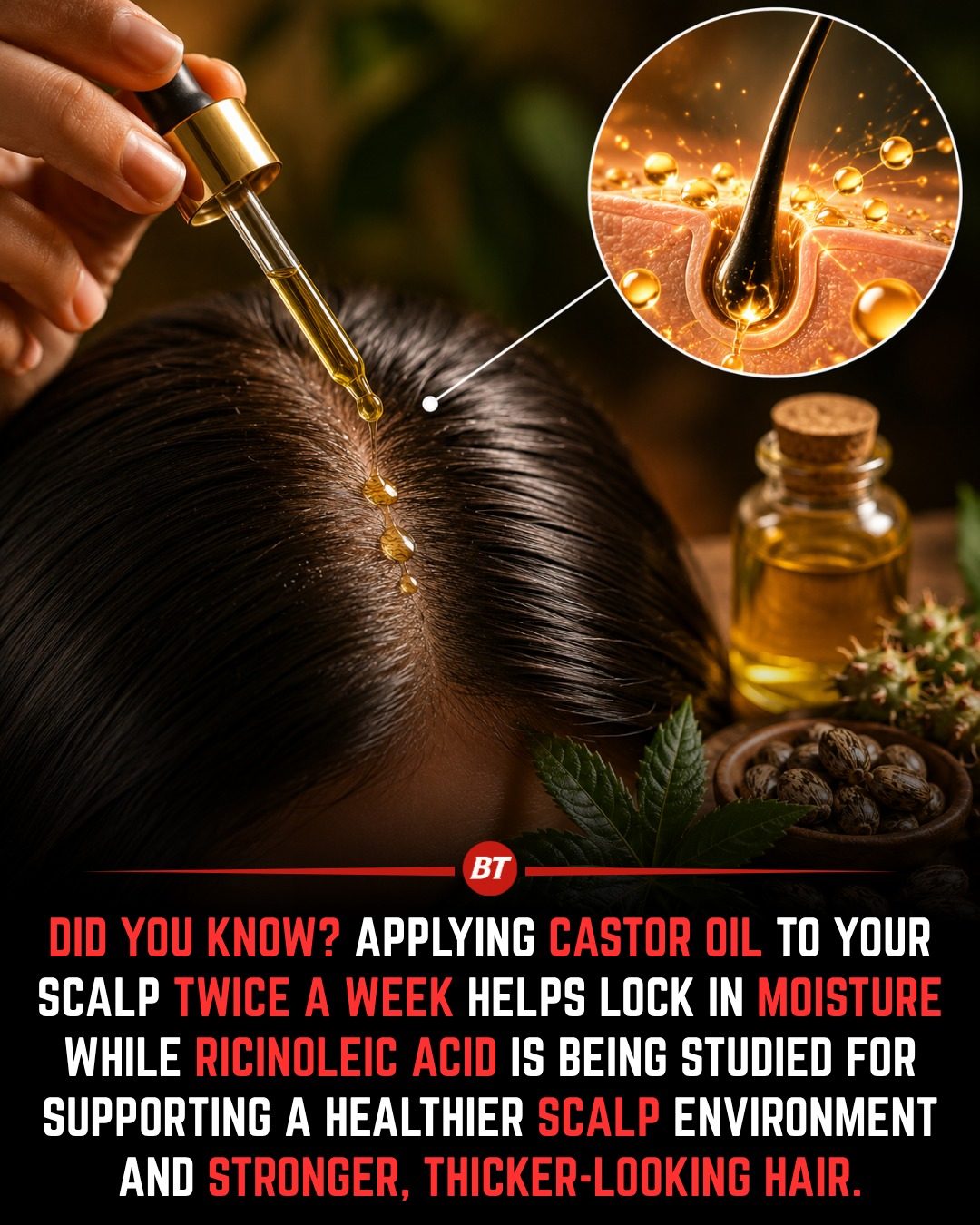
Castor Oil for Hair Health
Castor oil, derived from the seeds of the castor plant (Ricinus communis), has long been recognized for its wide-ranging benefits, especially in enhancing hair health. Rich in ricinoleic acid, a unique fatty acid that makes up nearly 90% of its composition, castor oil has been a staple in natural beauty regimens for centuries.
Why this matters
A healthy scalp is the foundation for healthy hair. Dryness, irritation, and excessive buildup can interfere with normal hair growth, leading to breakage and a dull appearance. Castor oil, with its moisturizing and protective properties, can help mitigate these issues, contributing to fuller, shinier, and thicker-looking hair.
Main discussion
The Role of Ricinoleic Acid
Ricinoleic acid, as mentioned, is a significant component of castor oil. Researchers are actively studying this fatty acid for its anti-inflammatory, antimicrobial, and moisturizing properties. These properties collectively support a healthier scalp environment, which is essential for maintaining overall hair health. A healthy scalp ensures better hair growth and reduces the likelihood of hair loss.
Application and Benefits
One of the most straightforward ways to incorporate castor oil into a hair care routine is by applying it directly to the scalp. Massage a small amount of cold-pressed castor oil into your scalp once or twice a week. Leave it on for at least 30–60 minutes, or overnight if preferred, and then wash it off with a gentle shampoo. This process will help lock in moisture, reduce friction, and minimize split ends.
Mixing with Other Oils
For a more balanced and easy-to-apply mixture, mix castor oil with lighter oils like rosemary oil, jojoba oil, or coconut oil. These oils can help dilute the thickness of castor oil, making it easier to spread and less likely to leave a residue.
Natural and Effective
Castor oil is versatile, and its benefits are not limited to the scalp. It can also form a protective barrier over the hair shaft, helping to lock in moisture and reducing friction. This double action is one of the reasons why hair treated with castor oil often appears thicker and healthier over time, even if it doesn't instantly increase the number of hair follicles. Regular application not only improves the appearance of the hair but also contributes to its overall health.
Comparative Analysis
While there are numerous hair care products on the market, natural oils like castor oil stand out for their minimal processing and natural composition. Unlike many commercial products that may contain harsh chemicals, castor oil is pure and free from additives. This makes it a gentle and effective choice for those seeking a natural hair care solution.
Practical tips
Regular Application
To achieve the best results, apply castor oil to your scalp consistently. Aim for at least once a week, but twice a week is ideal. This routine helps maintain the scalp's health and keeps moisture levels balanced.
Combining with Other Oils
To make the application process smoother, dilute castor oil with lighter oils. This not only makes it easier to handle and apply but also enhances the overall benefits. For example, rosemary oil can stimulate hair growth, while jojoba oil moisturizes and balances the scalp's oil production.
Scalp Massage
Using castor oil as part of your scalp massage routine can improve blood circulation. Better circulation means more nutrients and oxygen reach the hair follicles, promoting healthier hair growth. Additionally, gently massaging the scalp helps distribute the oil evenly, ensuring maximum absorption.
Overnight Treatment
For a more intensive treatment, leave the castor oil on your scalp overnight. Wear a shower cap to prevent the oil from staining your bedding. Washing it off the next morning will leave your hair feeling refreshed and looking shinier.
Important takeaways
Castor oil is a versatile and effective natural remedy for improving hair health. Its rich content of ricinoleic acid supports a healthier scalp environment, reduces breakage, and promotes thicker, shinier hair. Incorporating castor oil into your hair care routine can yield noticeable improvements over time.
It's essential to remember that while castor oil can significantly enhance hair health, it does not instantly increase the number of hair follicles. The key benefits come from improving scalp condition and protecting existing hair from damage. Therefore, patience and consistent application are crucial for achieving the best results.
Conclusion
Incorporating castor oil into your hair care routine is a natural and effective way to promote hair health. Its unique composition, rich in ricinoleic acid, supports a healthier scalp environment, reduces breakage, and contributes to thicker, shinier hair. With consistent application and a bit of patience, castor oil can be a valuable addition to your beauty regimen.
Watch the Reel
Questions readers ask
How does castor oil improve scalp health?
Castor oil improves scalp health by providing deep moisture and reducing irritation thanks to its high ricinoleic acid content. This helps maintain a well-hydrated scalp, which is essential for preventing dryness, flaking, and irritation.
Can castor oil help with hair growth?
Yes, castor oil can promote hair growth. By nourishing the scalp and reducing buildup, it creates an optimal environment for hair follicles to thrive. Regular application can lead to stronger, healthier, and potentially faster-growing hair.
How often should I apply castor oil to my scalp?
For best results, incorporate castor oil into your weekly hair care routine. Applying it once a week can help maintain scalp health and promote hair growth. Leave it on for a few hours or overnight before washing it out with a gentle shampoo.
What are the benefits of ricinoleic acid in castor oil for hair?
Ricinoleic acid, the primary fatty acid in castor oil, offers numerous benefits for hair. It has anti-inflammatory and antimicrobial properties, which can soothe scalp irritation and prevent infections. Additionally, it helps to moisturize and protect the hair, reducing breakage and promoting overall hair health.
How can I use castor oil to reduce dryness in my hair?
To reduce dryness, apply castor oil directly to your scalp and hair, focusing on the driest areas. Massage it gently to ensure it penetrates deeply. Leave it on for a few hours or overnight, then wash it out. Regular use can help restore moisture and improve hair texture and appearance.
Is castor oil suitable for all hair types?
Castor oil is generally suitable for all hair types, but it's particularly beneficial for those with dry, damaged, or curly hair. It can be used as a pre-wash treatment or as a leave-in conditioner. However, those with fine or oily hair may want to use it sparingly to avoid weighing down the hair.
Can castor oil help with scalp irritation?
Yes, castor oil can help alleviate scalp irritation. Its anti-inflammatory properties can soothe itching and redness, while its moisturizing effects can reduce flaking and dryness. Regular application can help maintain a healthy, irritation-free scalp.
Related deep dives
Similar reads based on topic and creator.




Recent articles
Fresh deep dives from the latest Reels we unpacked.




Comments
Be the first to comment.