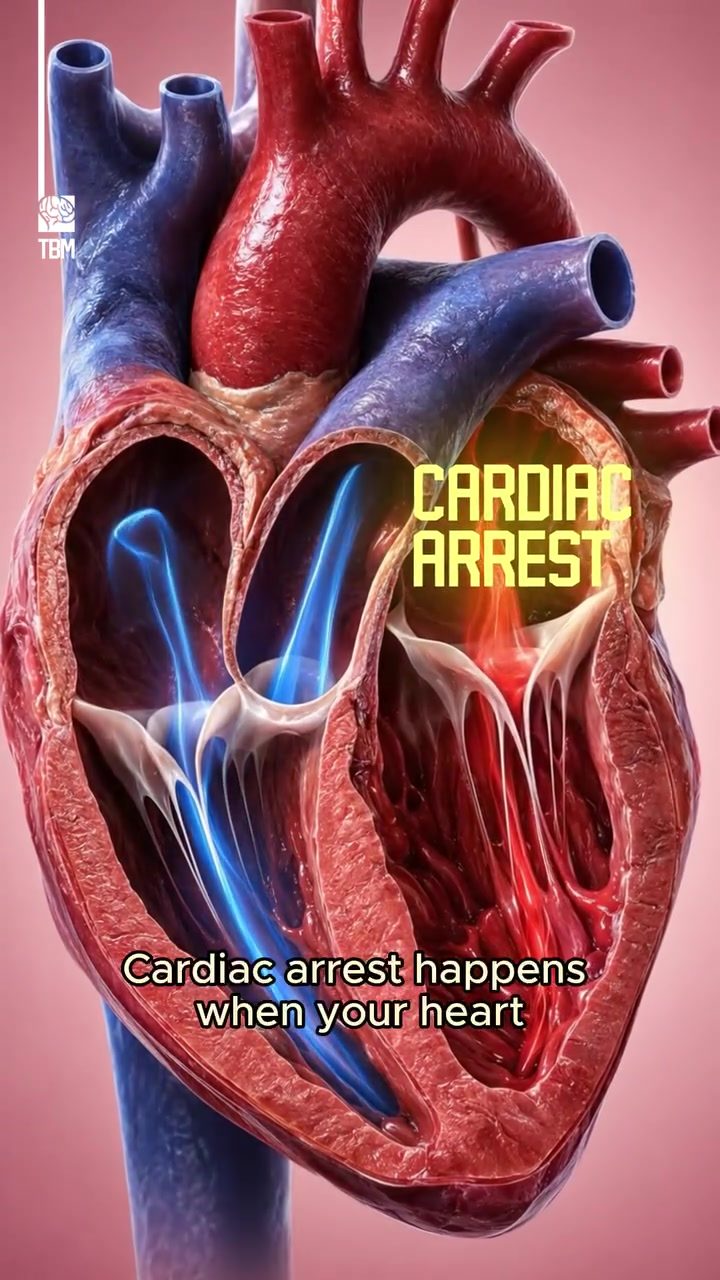
What Happens During Cardiac Arrest?
Cardiac arrest is a sudden and life-threatening condition where the heart stops pumping blood effectively. This disruption is caused by a malfunction in the heart's electrical system, leading to a chaotic heartbeat or complete cessation of heart activity.
Understanding the Immediate Effects
When cardiac arrest occurs, the heart's normal rhythmic beating is disrupted. Instead of pumping blood in an orderly manner, the heart may:
- Quiver chaotically (a condition known as fibrillation)
- Beat so rapidly that it cannot effectively pump blood
- Stop beating altogether
This disruption in the heart's electrical system causes a sudden and severe reduction in blood flow to the brain. Within seconds, a person experiencing cardiac arrest will collapse and lose consciousness. Normal breathing quickly stops and may be replaced by occasional, ineffective gasping. This gasping is not true breathing and does not provide the necessary oxygen to the body's vital organs.
The Critical Window for Survival
The lack of oxygen-rich blood flow to the brain and other vital organs creates a critical window for survival. Brain cells begin to die within four to six minutes without proper oxygenation, and other vital organs rapidly start to fail. This underscores the urgency of immediate action.
Emergency Care Protocols
Immediate emergency care is crucial in cardiac arrest situations. Two primary interventions can significantly improve the chances of survival:
CPR (Cardiopulmonary Resuscitation): CPR involves chest compressions and rescue breaths to manually pump blood to the brain and heart. Though not a cure, CPR can keep some blood flowing to vital organs until more advanced care is available.
AED (Automated External Defibrillator): An AED is a portable device that can analyze the heart's rhythm and deliver an electric shock to restore a normal heartbeat in certain types of cardiac arrest. The use of an AED is critical in the early stages of cardiac arrest and can greatly increase the likelihood of survival.
Why Rapid Emergency Care Matters
Every minute without treatment significantly reduces the chances of survival. The longer the heart remains in an abnormal rhythm, the more irreversible damage occurs to the brain and other organs. Prompt and effective emergency care, including CPR and the use of an AED, is essential for increasing the chances of a positive outcome.
The Role of Immediate CPR
CPR plays a vital role in maintaining some level of blood flow to the brain and heart until more advanced medical interventions can be administered. The immediate initiation of CPR can double or even triple a person's chances of survival from cardiac arrest.
The Importance of AEDs
AEDs are designed for use by both trained and untrained individuals. They provide step-by-step voice prompts to guide the user through the process of delivering a shock to restore a normal heartbeat. AEDs are often found in public places, and knowing how to locate and use one can be lifesaving. The earlier an AED is used, the better the chances of survival.
What to Do If You Suspect Cardiac Arrest
If you witness someone collapse or become unresponsive, follow these steps:
- Check for responsiveness: Tap the person on the shoulder and shout, "Are you okay?" to assess consciousness.
- Call emergency services immediately: Dial the emergency number in your area and follow the dispatcher's instructions.
- Start CPR: If the person is unresponsive and not breathing normally, begin CPR. Push hard and fast on the center of the chest at a rate of 100-120 compressions per minute.
- Use an AED: If an AED is available, turn it on and follow the voice prompts. Place the pads on the person's bare chest as shown in the diagrams and deliver a shock if advised by the AED.
Practical Tips for Preparedness
To be prepared in case of a cardiac arrest emergency:
- Learn CPR: Take a certified CPR course to learn the proper techniques for performing chest compressions and rescue breaths. Knowing how to perform CPR can save lives.
- Locate AEDs: Familiarize yourself with the locations of AEDs in your community, such as in public buildings, schools, and workplaces. Knowing where to find an AED can save crucial minutes.
- Stay informed: Keep up-to-date with the latest guidelines and recommendations for CPR and AED use. The American Heart Association and other health organizations provide valuable resources and training.
Important Takeaways
Cardiac arrest is a medical emergency that requires immediate and effective intervention. Recognizing the signs and initiating CPR and using an AED can save lives. Understanding the critical window for survival and the importance of rapid emergency care is essential for everyone.
Conclusion
Cardiac arrest is a sudden and life-threatening condition that requires immediate and effective intervention. By understanding the causes, symptoms, and necessary emergency actions, you can be prepared to respond and potentially save a life.
Watch the Reel
Questions readers ask
What are the key symptoms of cardiac arrest?
The primary symptom of cardiac arrest is a sudden loss of consciousness or collapse. Other indicators include no breathing or abnormal breathing, such as gasping, and no pulse. Immediate emergency care is crucial as these symptoms can escalate rapidly.
How does cardiac arrest differ from a heart attack?
While both are serious heart conditions, they are not the same. Cardiac arrest is an electrical malfunction that stops the heart from beating, causing loss of consciousness and immediate cessation of blood flow. A heart attack is a circulation problem where blood flow to the heart is blocked, often causing chest pain and shortness of breath, but not necessarily unconsciousness.
How can I recognize if someone is experiencing cardiac arrest?
To recognize cardiac arrest, look for these signs: the person suddenly collapses, is unresponsive, and is not breathing normally. Check for a pulse by feeling for blood flow in the carotid artery as well. If these signs are present, immediate emergency response is necessary, such as calling emergency services and starting CPR.
What should I do if I witness someone having a cardiac arrest?
If you witness someone having a cardiac arrest, immediately call emergency services. If an automated external defibrillator (AED) is available, retrieve it and be ready to use it. Begin chest compressions, ideally 100-120 compressions per minute, and continue until emergency services arrive and take over.
What are the consequences of delayed emergency care in cardiac arrest?
Delayed emergency care in cardiac arrest can lead to brain damage or death. The lack of blood flow to the brain can cause irreversible damage within minutes. Quick and effective emergency care, such as CPR or use of an AED, is vital to restore normal heartbeat and blood flow, and improve the chances of survival.
Is it safe to perform CPR on a cardiac arrest victim without training?
Yes, it is safe and highly encouraged to perform CPR without formal training. Even basic, hands-only CPR can help maintain blood flow to the brain and other vital organs. To perform hands-only CPR, place the heel of one hand on the center of the victim's chest and the other hand on top, interlocking fingers, and press hard and fast, 100-120 compressions per minute.
What is the role of an AED in cardiac arrest emergency care?
An AED, or Automated External Defibrillator, is a portable device that can restore a normal heartbeat by delivering an electric shock to the heart. AEDs are designed for use by laypersons and provide voice instructions to guide the user through the process. Using an AED as quickly as possible can significantly increase the chances of survival for a cardiac arrest victim.
What are the chances of survival for a cardiac arrest victim?
The chances of survival for a cardiac arrest victim depend on several factors, including how quickly emergency care is initiated. With immediate CPR and AED use, survival rates can be as high as 40-70%. However, without immediate care, the chances of survival decrease by 7-10% with each passing minute.
Related deep dives
Similar reads based on topic and creator.

Recent articles
Fresh deep dives from the latest Reels we unpacked.




Comments
Be the first to comment.