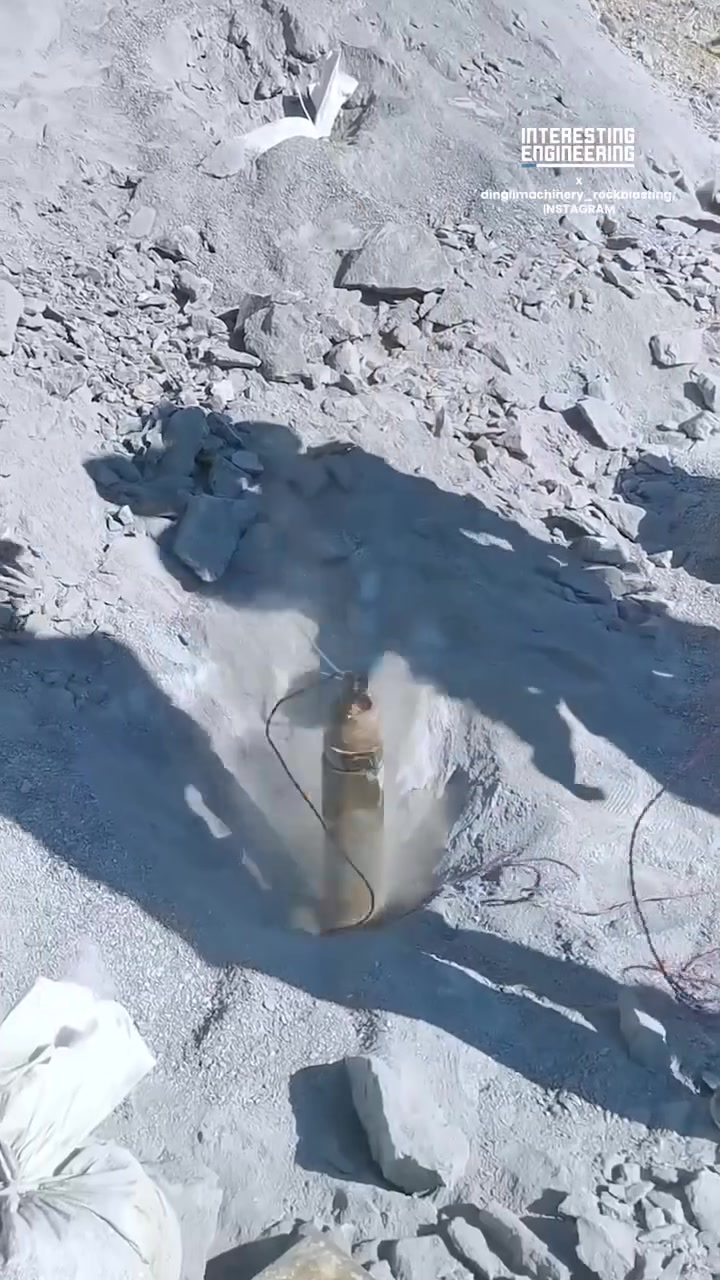
Carbon Dioxide Gas Rock Breaking: A Safer Alternative to Explosives
In mining, rock blasting is a crucial process. However, traditional methods involving explosives can pose significant risks. Carbon dioxide (CO2) gas rock breaking systems offer a safer alternative, reducing the hazards associated with conventional blasting techniques. This innovative method uses the power of carbon dioxide gas to fracture rock formations, minimizing shock waves and flying debris.
Why This Matters
Traditional rock blasting methods, which rely on explosives, can cause several issues. These include:
- Safety hazards: Explosives generate shock waves that can lead to ground vibrations, posing risks to nearby structures and workers.
- Environmental impact: Explosive blasting can result in air pollution, ground vibrations, and disturbances to surface water and groundwater.
- Noise pollution: Explosives produce loud noises, which can be harmful to the hearing of workers and nearby residents.
Using CO2 gas as an alternative can mitigate these issues, making the mining process safer and more environmentally friendly.
The CO2 Gas Rock Breaking System
How Does It Work?
The CO2 gas rock breaking system, such as those offered by specialists like Dingli Machinery, uses carbon dioxide in a liquid or solid form, commonly known as dry ice, to fracture rock. Here's a step-by-step breakdown of the process:
- Drilling: The process begins with drilling holes into the rock formation, similar to traditional blasting methods.
- Insertion of CO2: Liquid or solid CO2 is then inserted into the holes. The CO2 rapidly expands as it warms, creating immense pressure and causing the rock to fracture.
- Ground Implosion: Unlike explosives, which create outward shock waves, the CO2 method causes an inward implosion. This minimizes the risk of flying debris and reduces ground vibrations.
Benefits of CO2 Gas Rock Breaking
Several advantages make CO2 gas rock breaking a compelling alternative to traditional explosives:
- Improved Safety: The primary benefit is enhanced safety. The inward implosion minimizes flying debris and reduces the risk of ground vibrations, making the process safer for workers and nearby structures.
- Environmentally Friendly: CO2 gas is a cleaner alternative to explosives, reducing air and noise pollution. Moreover, since CO2 is a natural byproduct of various industrial processes, it can often be sourced sustainably.
- Precision Control: The CO2 method allows for precise control over the blasting process. It can be tailored to target specific rock formations, reducing waste and improving efficiency.
Practical Tips
For those considering CO2 gas rock breaking, here are some practical tips:
- Choose the Right Equipment: Invest in high-quality drilling and CO2 insertion equipment. Companies like Dingli Machinery specialize in this area and can provide valuable insights and equipment.
- Training: Ensure that your team is well-trained. Handling CO2 requires specific safety measures, and proper training can prevent accidents.
- Regulations and Permits: Stay up-to-date with local regulations and obtain the necessary permits. Environmental and safety regulations can vary by region and it’s important to comply with them.
- Safety Measures: Always follow safety protocols. Wear appropriate protective gear, and ensure that the work area is well-ventilated. Always have a first aid kit and emergency response plan in place.
Important Takeaways
- Environmental Impact: CO2 gas is a more environmentally friendly alternative to traditional explosives. It reduces air and noise pollution, making it a greener option for mining operations.
- Safety: By minimizing shock waves and flying debris, CO2 gas rock breaking significantly enhances safety for workers and nearby residents.
- Efficiency: The precision of CO2 gas blasting can improve efficiency by targeting specific rock formations, reducing waste, and enhancing productivity.
Conclusion
Whether you're a mining operation looking to reduce environmental impact, enhance safety, or simply gain a competitive edge, CO2 gas rock breaking is worth considering. This method offers a safer, more environmentally friendly alternative to traditional explosives, making it a compelling choice for modern mining operations.
Watch the Reel
Questions readers ask
How does CO2 rock breaking work in mining?
CO2 rock breaking systems use pressurized carbon dioxide gas to fracture rock formations. The gas is injected into pre-drilled holes, and as it rapidly expands, it creates micro-fractures in the rock, causing it to break apart without the need for explosives.
What are the main benefits of using CO2 rock breaking over traditional explosives?
CO2 rock breaking significantly reduces safety hazards by minimizing shock waves, flying debris, and noise pollution. It also lowers the environmental impact by reducing air and ground vibrations, making it a greener alternative to traditional explosives.
Can CO2 rock breaking be used in all mining environments?
CO2 rock breaking is versatile and can be used in many mining environments, including underground and surface mines. However, its effectiveness depends on the type of rock and the specific geological conditions, so it's essential to consult with experts to determine feasibility.
Does CO2 rock breaking produce any harmful byproducts or emissions?
CO2 rock breaking is a clean process that does not produce harmful byproducts like traditional explosives. However, it does use carbon dioxide, a greenhouse gas, so it's important for mining companies to consider the source of their CO2 and explore options like capturing and reusing industrial emissions.
How does the cost of CO2 rock breaking compare to traditional explosive blasting?
The upfront cost of CO2 rock breaking systems can be higher than traditional explosives, but the long-term benefits, such as reduced environmental impact, lower safety risks, and potential re-use of CO2, may offset initial expenses.
What are the limitations of CO2 rock breaking in mining?
While CO2 rock breaking has many advantages, it may not be suitable for all mining applications. In some cases, it may not be as effective as explosives in breaking very hard or tightly bound rocks, and it may require more advanced equipment and technical expertise.
How does CO2 rock breaking help in reducing mining hazards?
CO2 rock breaking reduces mining hazards by eliminating the risks associated with explosive blasting, such as ground vibrations, flying debris, and shock waves. This makes the mining environment safer for workers and reduces the risk of damage to nearby structures and infrastructure.
Recent articles
Fresh deep dives from the latest Reels we unpacked.




Comments
Be the first to comment.