Car Paint Restoration
Paint protection film (PPF), a transparent urethane layer applied to a car's exterior, acts as a sacrificial barrier, absorbing minor scratches, paint transfer, and impacts to keep a vehicle's factory finish pristine. This protective layer, once damaged, is removed to reveal the original, unmarred paint underneath. For this reason, PPF is often referred to as a clear bra, and it is a popular choice for car owners who want to maintain their vehicle's showroom shine.
Why This Matters
In the automotive world, preserving a vehicle's paint is crucial for maintaining its value and appearance. PPF plays a vital role in this preservation by acting as a transparent shield. This film is designed to withstand the rigors of daily driving, protecting the car's finish from environmental hazards, road debris, and minor mishaps. By understanding and implementing PPF, car owners can ensure that their vehicles remain in excellent condition for years to come.
Main Discussion
Understanding PPF
Paint protection film is a specialized urethane product designed to guard a vehicle's paint. Unlike traditional paint protection methods, PPF offers a transparent, nearly invisible layer that bonds to the car's surface. This film is incredibly durable, withstanding scratches, chips, and minor impacts that would otherwise mar the paint. PPF is particularly effective against rock chips and other debris that can cause significant damage at high speeds.
PPF is most commonly applied to high-impact areas, such as the hood, front bumper, side mirrors, and fenders. These areas are more susceptible to damage from flying debris and minor collisions. By targeting these zones, car owners can ensure that their vehicle remains protected without compromising its appearance.
The Role of PPF in Car Maintenance
PPF serves multiple critical functions in car maintenance. Its primary role is to absorb and deflect minor impacts, preventing them from reaching the paint surface. This protective layer also helps to minimize the appearance of swirl marks, which are tiny scratches that can occur during washing or waxes.
Furthermore, PPF can help reduce the need for frequent waxing and polishing. Since the film itself can be waxed and polished, it maintains a glossy finish, prolonging the time between maintenance appointments. This is particularly beneficial for car owners who want to reduce their maintenance costs and the time spent on car care.
The Restoration Process
When a PPF layer becomes damaged, it can be peeled away to reveal the original paint underneath. This process is straightforward and can be done without compromising the paint. The damaged film is carefully removed, and the surface is cleaned to ensure that no residue remains. Once the surface is clean, a fresh layer of PPF can be applied to restore the car's protection. This layer can then be waxed and polished, ensuring a consistent glossy finish.
The Demonstration
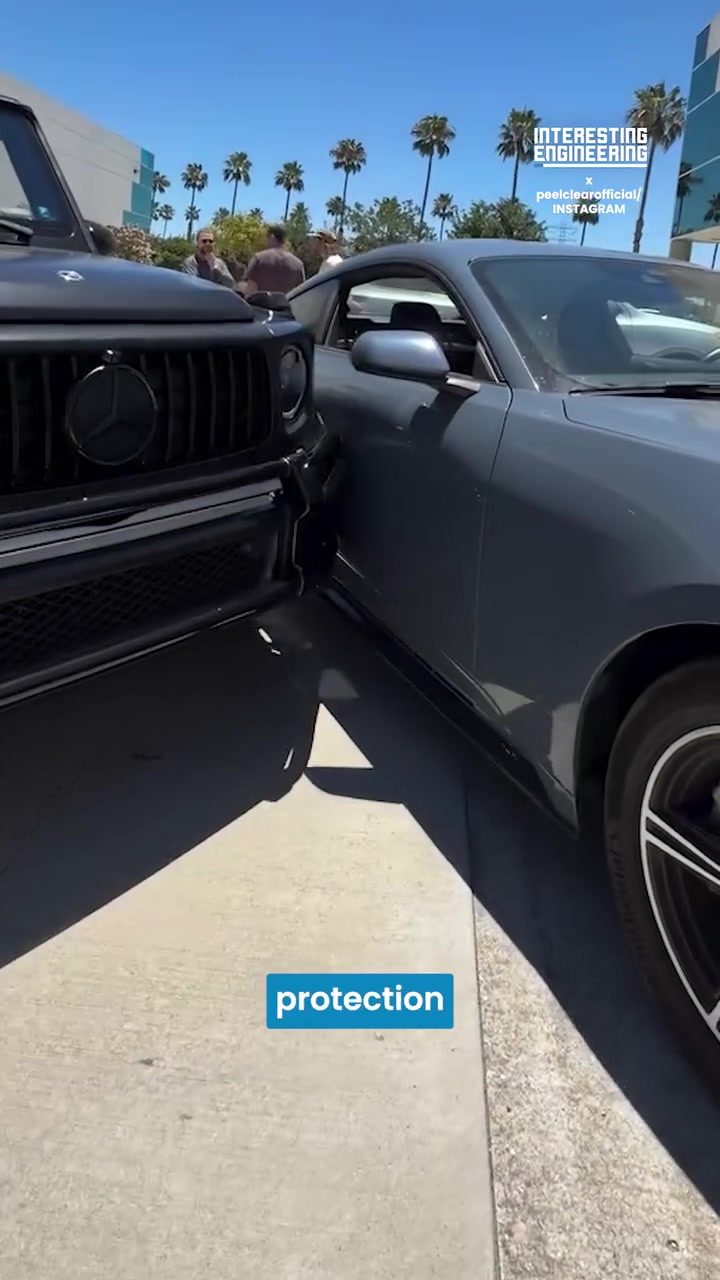
In a recent demonstration, a damaged PPF layer was carefully peeled away from a black Mercedes-Benz SUV. This process revealed the original paint underneath, which remained in pristine condition despite the previous damage. The demonstration highlighted the effectiveness of PPF in protecting a vehicle's finish and demonstrated the ease with which damaged layers can be removed and replaced. This process ensures that the car's paint remains intact and protected, even after minor impacts.
Practical Tips
Choosing the Right PPF
When selecting a PPF, it's essential to consider the specific needs of your vehicle. Different films offer varying levels of protection, durability, and clarity. For example, some PPFs are designed for high-gloss finishes, while others provide a matte look. It's important to choose a film that complements your car's existing finish and offers the level of protection you need.
Consider the thickness and durability of the PPF. Thicker films generally provide better protection against impacts and scratches but may be more noticeable on the vehicle's surface. Thinner films are less visible but may not offer the same level of protection. Balancing these factors will help you choose the right PPF for your needs.
Professional vs. DIY Application
Applying PPF can be a challenging task, especially for those without experience. While DIY kits are available, professional installation is often recommended. Professional installers have the necessary tools and expertise to ensure a flawless finish, minimizing the risk of bubbles, wrinkles, or other imperfections. Professional installation also typically comes with a warranty, providing additional peace of mind.
Maintenance and Care
Proper maintenance and care are essential for maximizing the longevity and effectiveness of PPF. Regular washing and waxing can help maintain the film's protective properties and keep it looking its best. Avoid using harsh chemicals or abrasive materials, as these can damage the film and compromise its integrity.
Consider using a high-quality car wash and wax designed for PPF. These products are formulated to be gentle on the film while effectively cleaning and protecting the surface. Regular inspections can also help identify any potential issues, allowing for timely repairs and maintenance.
Important Takeaways
Paint protection film (PPF) is an invaluable tool for preserving a vehicle's finish. Its ability to absorb scratches, paint transfer, and minor impacts makes it an ideal choice for car owners who want to maintain their vehicle's appearance. By understanding the benefits and applications of PPF, car owners can ensure that their vehicles remain in excellent condition for years to come.
Conclusion
PPF offers a practical and effective solution for maintaining a vehicle's paint. Its ability to absorb and deflect minor impacts, along with its ease of removal and replacement, makes it a valuable addition to any car maintenance routine. By choosing the right PPF, following proper maintenance practices, and considering professional installation, car owners can ensure that their vehicles remain protected and looking their best.
Watch the Reel
Questions readers ask
What is PPF and how does it protect my car's finish?
PPF, or paint protection film, is a transparent, durable urethane layer applied to a vehicle's exterior. It protects the original finish by acting as a barrier against scratches, debris, and minor impacts, ensuring the paint remains in its pristine condition.
How does PPF help maintain my car's value?
PPF helps maintain your car's value by keeping the original paint finish intact. Since it acts as a sacrificial barrier, any damage occurs to the film instead of the paint, allowing the vehicle to retain its showroom appearance and value.
What is the clear bra and how is it related to PPF?
Clear bra is another term for PPF. It is a transparent, protective film applied to the car's exterior, often on high-impact areas, to protect the paint from scratches, debris, and minor impacts, making it highly effective for car paint scratch protection.
Can I apply PPF to my car on my own, or do I need professional help?
While it is possible to apply PPF on your own, it is recommended to seek professional help for the best results. Professionals have the necessary tools and experience to ensure the film is applied smoothly and effectively enhances the car's paint protection.
How do I maintain PPF after it has been applied to my car?
PPF maintenance is relatively simple. Regularly wash and wax the car to remove dirt and contaminants. Avoid using harsh chemicals or abrasive materials that could damage the film. Regularly inspect the film for any signs of wear and replace it if necessary to ensure continued protection.
What areas of the car should I prioritize for PPF application?
Prioritize areas that are most susceptible to damage, such as the front bumper, hood, and side mirrors. These areas are more likely to encounter rocks, debris, and minor impacts, making them ideal for paint film for car application to ensure durable urethane layer protection.
Can PPF be removed, and if so, what happens to the paint underneath?
Yes, PPF can be removed, and the paint underneath will remain in its original, unmarred condition. Because the film acts as a sacrificial barrier, any damage occurs to the film, not the paint, ensuring your vehicle's paint finish is preserved and protected.
Related deep dives
Similar reads based on topic and creator.

Recent articles
Fresh deep dives from the latest Reels we unpacked.




Comments
Be the first to comment.