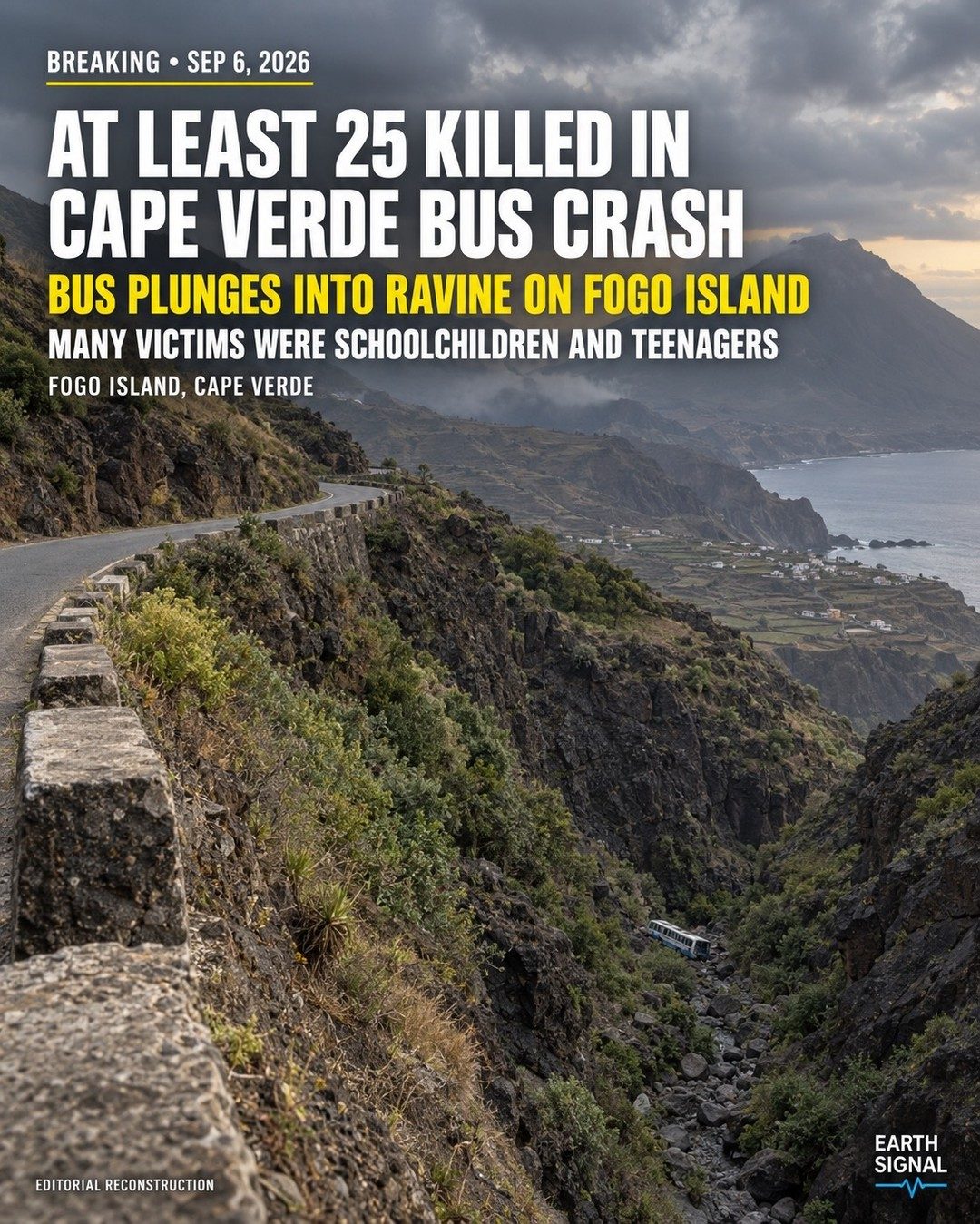
An Editorial Reconstruction of a Tragedy
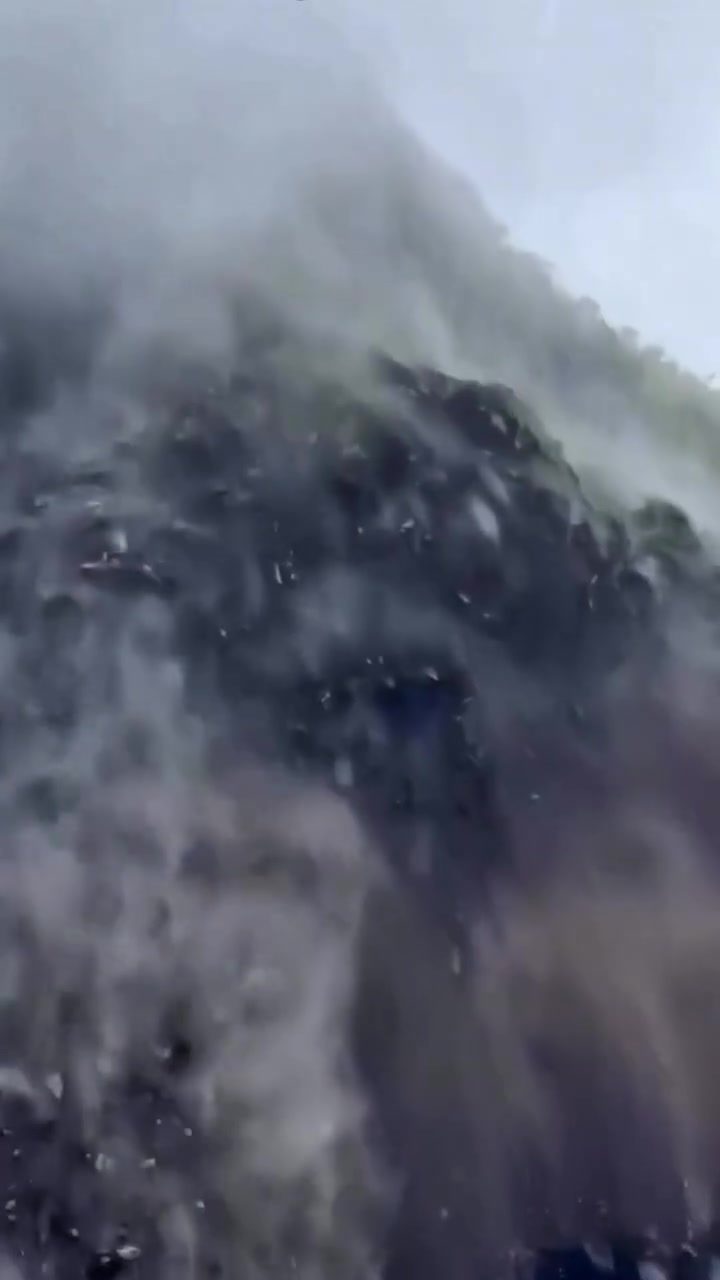
Fogo Island, Cape Verde, a verdant crag jutted out 700 kilometers off the coast of west Africa, stunned with grief Friday as a bus careened down a steep cliff on a road along the coast. The tragedy, which occurred on September 6, 2026, claimed at least 25 lives. The bus, carrying students and teenagers, veered off the road and plunged into a ravine on Fogo, one of the most remote and rural backdrops imaginable for such an accident. The road follows the island's volcanic contours, a steep drop into the sea, leaving little room for error. The visuals conjure a vertigo-inducing dive as spectators imagine the bus hurtling into the ravine. Traditionally the worst nightmare for a school district, the accident adds a sad note to the annals of public transportation safety. This is a far cry from developed infrastructure or fortified public safety systems, there's a curious mix of modern and frontier. The lack of rail systems or tunnels does not usually mitigate the impact of public transport accidents, but the context reveals a story of young lives lost in a place where modern infrastructure has not been in place long enough to mitigate these vulnerabilities.
The Uncertainty of Safety
For the rural communities of Fogo Island, the loss of children means are not just a blow to the present but an absence for the future. The lives of children often embody the future of such communities. Schools are not just buildings in these countries but pillars of community life. Fogo Island is a desolate volcanic island, sparsely populated, known for vineyards and for its clear, starry skies. Eruptions and earthquakes make travel treacherous, and not only did the bus plunge into the ravine—but twenty-five people also plunged into oblivion. The party that plummets to death along a Fogo Island road represents 25 lives. For the parents trying to make a living in the rural backdrops of volcanic islands, this translates to unending loss. Such events are the unspoken reality of Cape Verdean school days. The accident threatens to etch itself into the community's collective memory, alongside other similar tragedies.
An Ethical Reckoning
The story of the crash has been described as an editorial reconstruction. As researchers reconstruct the events, one has to ask the questions that go beyond the reasons why a bus was on a dangerous road. For the reporters on these 335-mile islands, the story is of a bus overturning into a ravine, but why did the bus carry teenagers to a fateful end. The US Secretary of Transportation, Pete Buttigieg, has been vocal about the economic burden of such disasters. In Cape Verde, the transportation sector is of strategic importance. Such events highlight the dichotomy between modern transportation systems and rural communities. Cape Verde is home to multi-million dollar hotels, but the problem of rural safety is a world away from the luxury of these hotels. In Africa, the problem of rural road safety is often an afterthought, amongst the many priorities. Public transport is often the only means of transport and the only way back from school.
The Interplay of Safety & Geography
The event asks the question of the role of geography in public safety. Fogo Island is a combination of beauty and misery. The roads are a combination of beauty and misery, roads twist along coastal steep hillsides, where the slightest oversight can result in catastrophe. However, a 1987 study from Massachusetts Institute of Technology showed that these roads are also the only asset in the community. The interplay of safety and geography is beyond a mere dichotomy of risk. The geography of Cape Verde, a volcanic archipelago that brings together modern infrastructure and traditional ways of life, makes it a unique place. The network of roads' steep, winding turns carries tourists but also connects isolated communities that offer a glimpse of traditional Cape Verdean life. The visuals of the news report sum up the interplay of safety and geography.
Watch the Reel
Related deep dives
Similar reads based on topic and creator.

Recent articles
Fresh deep dives from the latest Reels we unpacked.
Comments
Be the first to comment.