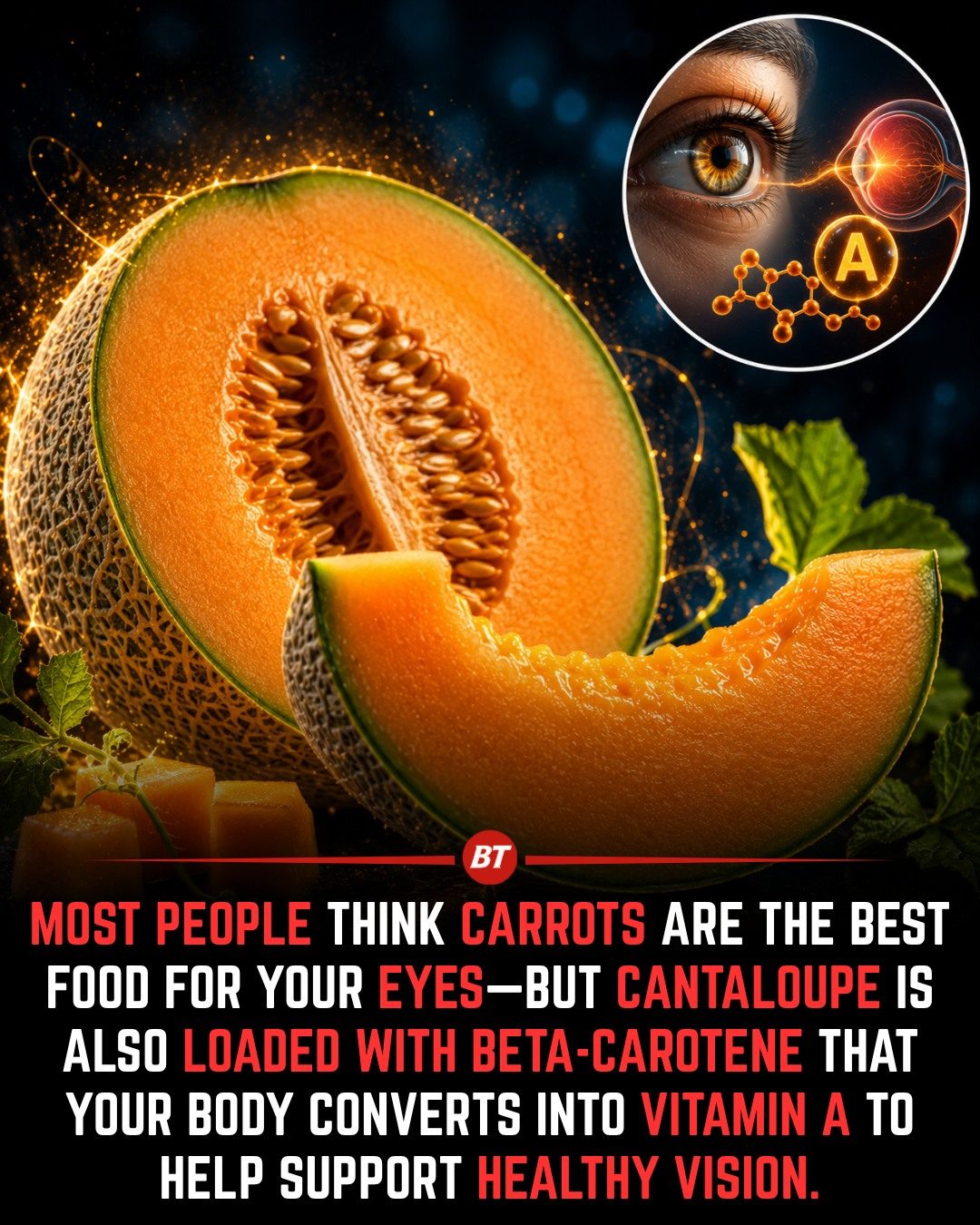
Cantaloupe and Eye Health
Cantaloupe, a sweet and juicy melon, is often overlooked when discussing eye health. Most people know that carrots are excellent for the eyes, but cantaloupe offers similar benefits. This vibrant orange fruit is not only delicious but also packed with nutrients that support healthy vision. Let's dive into the specifics of how cantaloupe contributes to eye health and why it should be part of your diet.
Why This Matters
Eye health is crucial for overall well-being, and proper nutrition plays a significant role in maintaining it. While carrots are famous for their beta-carotene content, cantaloupe is another powerhouse of this essential nutrient. Including a variety of nutrient-rich foods in your diet can help you maintain good eye health and reduce the risk of age-related eye diseases.
The Role of Beta-Carotene in Eye Health
Beta-Carotene and Vitamin A
Cantaloupe is rich in beta-carotene, a powerful plant pigment and antioxidant. The vibrant orange color of the fruit is a visual cue of its high beta-carotene content. When consumed, the body converts beta-carotene into vitamin A, an essential nutrient for maintaining eye health. Vitamin A helps keep the retina healthy and supports the light-sensitive cells responsible for vision. It also enables the eyes to adapt to changes in light, such as moving from bright environments to darkness.
Vitamin A and the Eye
Vitamin A deficiency is one of the leading causes of preventable blindness worldwide. This nutrient is crucial for keeping the cornea, the clear front surface of the eye, healthy and moist. Vitamin A helps the cornea function properly, ensuring that light can enter the eye and be properly focused on the retina. A lack of vitamin A can lead to dryness, impaired vision, and even blindness, highlighting the importance of including vitamin A-rich foods in your diet.
Additional Nutrients in Cantaloupe
While beta-carotene and vitamin A are the standout nutrients in cantaloupe, this fruit offers more benefits for eye health.
Vitamin C and Oxidative Stress
Cantaloupe is an excellent source of vitamin C, which helps protect the eyes from oxidative stress. Oxidative stress occurs when there is an imbalance between free radicals and antioxidants in the body, leading to cell damage. Vitamin C neutralizes free radicals, preventing them from harming the delicate structures of the eye, including the retina and lens.
Hydration and Tear Production
Cantaloupe is about 90% water, making it an excellent choice for maintaining overall hydration. Proper hydration is essential for normal tear production and eye comfort. Tear production helps keep the eyes lubricated, reducing the risk of dryness and irritation. Regular consumption of cantaloupe can help ensure that your eyes stay hydrated and comfortable throughout the day.
How to Incorporate Cantaloupe into Your Diet
Cantaloupe is a versatile fruit that can be enjoyed in various ways, making it easy to incorporate into your daily meals. Here are some practical tips to include cantaloupe in your diet:
Fresh and Simple
Eat fresh cantaloupe slices or cubes as a refreshing snack. The natural sweetness and juicy texture make it a perfect on-the-go treat.
Pair with Proteins
Combine cantaloupe with Greek yogurt, a handful of pistachios, or almonds. The healthy fats in these foods help your body absorb more of the fat-soluble beta-carotene, allowing you to get even more vitamin A from every bite.
Add to Salads
Cut cantaloupe into small cubes and add it to your favorite salad. The sweetness of the melon complements the savory flavors of greens, cheeses, and nuts, creating a delicious and nutritious meal.
Blend into Smoothies
Blend cantaloupe with other fruits, leafy greens, and a splash of milk or yogurt for a delicious and nutrient-packed smoothie. This is a great way to enjoy the benefits of cantaloupe in a convenient, portable form.
Grill for a Twist
For a unique twist, grill cantaloupe slices until they develop a slight char. The smoky flavor pairs well with grilled meats, fish, or vegetables, adding a delicious and unexpected element to your meal.
Important Takeaways
Cantaloupe is a powerhouse of nutrients that support eye health. Its high beta-carotene content, conversion to vitamin A, and rich supply of vitamin C make it an excellent choice for maintaining healthy vision. Additionally, the high water content of cantaloupe helps keep the eyes hydrated and comfortable. Incorporating cantaloupe into your diet can provide a variety of nutrients that support long-term eye health and reduce the risk of age-related eye diseases.
Conclusion
Including a variety of colorful fruits and vegetables in your diet is essential for maintaining good eye health. Cantaloupe, with its rich beta-carotene content and other beneficial nutrients, is a fantastic addition to any diet. By enjoying cantaloupe in various forms, you can support your eye health and reap the benefits of this delicious and nutritious fruit.
Watch the Reel
Questions readers ask
How does cantaloupe support vision?
Cantaloupe supports vision by providing beta-carotene, which the body converts into vitamin A. Vitamin A is essential for maintaining the health of the retina and helping the eyes adapt to different light conditions, ensuring clear and sharp vision.
What makes cantaloupe a good choice for eye health?
Cantaloupe is an excellent choice for eye health due to its high content of beta-carotene. This powerful antioxidant helps protect the eyes from damage, supports retinal health, and contributes to overall vision improvement. Additionally, cantaloupe is a juicy, delicious fruit that makes for a tasty addition to a healthy diet.
How does cantaloupe compare to carrots in supporting eye health?
While carrots are well-known for their beta-carotene content, cantaloupe offers a comparable amount of this vital nutrient. Both fruits are beneficial for eye health, but cantaloupe provides a sweet, refreshing alternative to carrots, making it a versatile choice for those looking to vary their diet while still supporting vision.
Can eating cantaloupe improve night vision?
Yes, eating cantaloupe can help improve night vision. The beta-carotene in cantaloupe is converted into vitamin A in the body, which is essential for the production of rhodopsin, a pigment that helps the eyes see in low-light conditions. By including cantaloupe in your diet, you can support your eyes' ability to adapt to darkness.
What are some natural ways to support eye health?
Including cantaloupe in your diet is a natural way to support eye health. This fruit, along with other nutrient-rich foods like leafy greens, fish and other foods that contain beta-carotene, can help maintain vision and reduce the risk of age-related eye diseases. In addition to maintaining a healthy diet, taking regular breaks from screens and wearing protective eyewear can also support overall vision health.
How much cantaloupe should I eat to benefit my eyes?
There is no specific serving size for a healthy boost to vision. However, a serving of cantaloupe is about 128 grams, which contains about 300 micrograms of beta-carotene. Including a serving or two of cantaloupe in your diet each week can help contribute to your daily nutrient intake and support overall eye health.
Can cantaloupe benefit other aspects of my health in addition to eye health?
Yes, cantaloupe offers numerous health benefits beyond supporting eye health. It is rich in vitamin C, potassium, and fiber, which contribute to a healthy immune system, heart health, and digestion, making it a valuable addition to a balanced diet. Additionally, its high water content helps keep the body hydrated, promoting overall well-being.
Related deep dives
Similar reads based on topic and creator.




Recent articles
Fresh deep dives from the latest Reels we unpacked.




Comments
Be the first to comment.