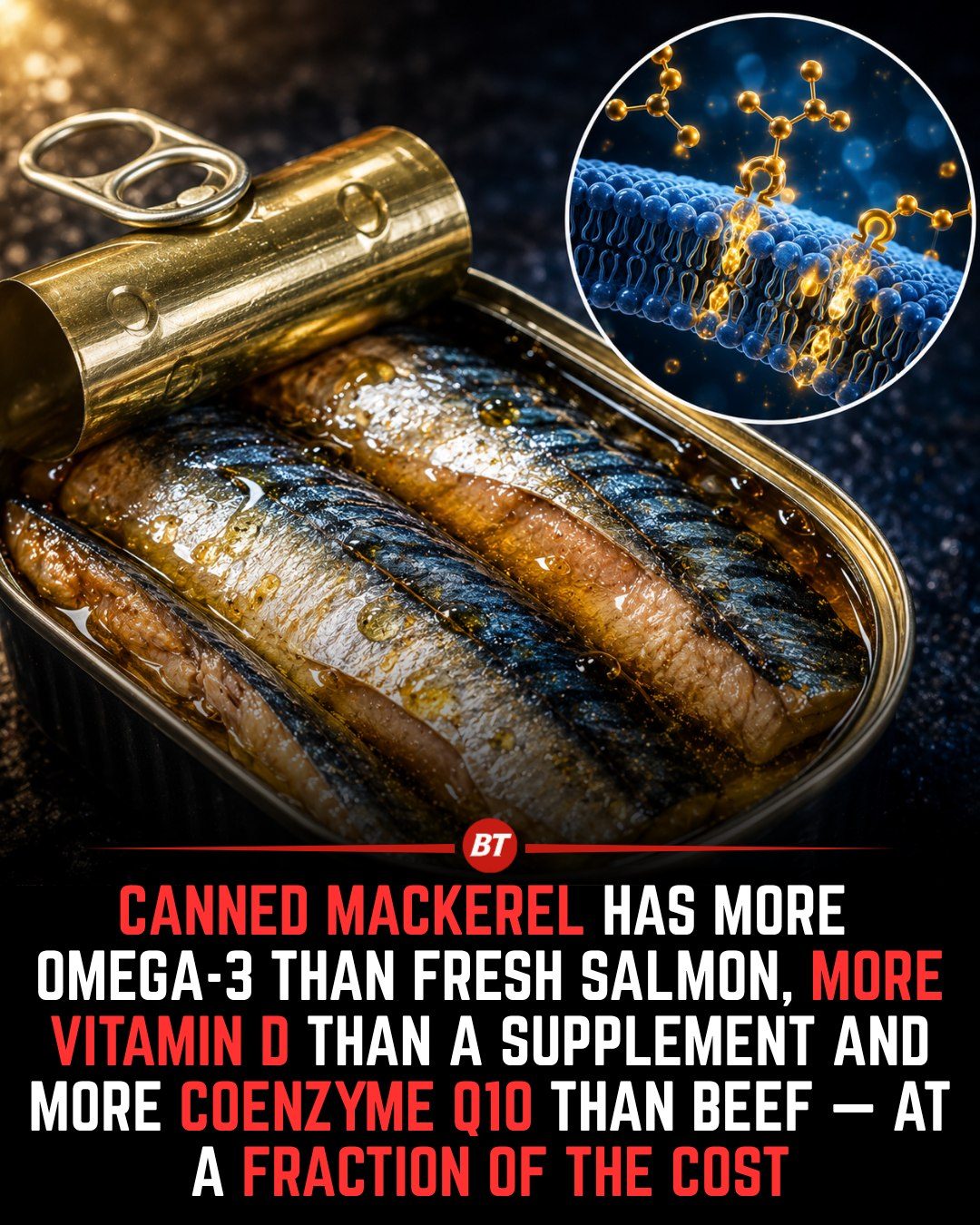
Canned mackerel is a versatile and affordable food with a surprisingly impressive nutritional profile. This product packs a powerful punch of essential nutrients that support overall health, making it a valuable addition to any diet. Let's explore the benefits of canned mackerel, its nutritional advantages, and how to incorporate it into your meals.
Why Canned Mackerel Matters
Canned mackerel is often overlooked in favor of more glamorous seafood options, but it offers a range of health benefits that make it a standout choice. Among commonly consumed fish, mackerel ranks near the top for its omega-3 content, providing EPA and DHA, which are essential for healthy blood vessels, reduced inflammation, and optimal brain function. Additionally, mackerel is one of the few foods naturally rich in vitamin D, a nutrient that many adults do not get enough of through diet alone. This combination of nutrients supports heart, brain, muscle, and immune health, making canned mackerel a powerhouse of nutritional value.
Nutritional Advantages of Canned Mackerel
Omega-3 Fatty Acids
Canned mackerel is packed with omega-3 fatty acids, which are crucial for maintaining heart health, reducing inflammation, and supporting brain function. These fatty acids are essential for overall well-being and are often found in fish but are rare in other food sources. In fact, canned mackerel contains more omega-3s than fresh salmon, making it an excellent choice for those looking to boost their intake of these beneficial fats. These facts highlight why canned mackerel should be in your pantry.
Vitamin D
Vitamin D is another key nutrient found in abundance in canned mackerel. This vitamin plays a crucial role in supporting bone health, immune function, and overall well-being. Many adults fall short of the recommended daily intake of vitamin D, making it essential to include foods rich in this nutrient in your diet. Canned mackerel contains more vitamin D than many supplements, making it a convenient and natural way to meet your daily requirements.
Coenzyme Q10 (CoQ10)
Coenzyme Q10 is a compound involved in cellular energy production, and it is particularly important for heart health. The heart requires enormous amounts of energy to beat continuously, and CoQ10 plays a critical role in this process. Mackerel contains meaningful amounts of CoQ10, making it a valuable food for cardiovascular health. In fact, canned mackerel has more CoQ10 than beef, a surprising fact that underscores its nutritional value.
Affordability and Convenience
One of the standout advantages of canned mackerel is its affordability. Compared with many fresh seafood options, canned mackerel delivers exceptional nutrition at a fraction of the price. Canned mackerel is also shelf-stable and convenient, making it an excellent choice for those looking to maintain a healthy diet without breaking the bank. This convenience also makes it a practical option for busy individuals who want to ensure they are getting the nutrients they need.
Practical Tips for Incorporating Canned Mackerel Into Your Diet
Choosing the Right Cans
When selecting canned mackerel, opt for varieties packed in water or olive oil. These options offer the best nutritional profile and are healthier than those packed in other oils. Water-packed mackerel is a lower-calorie option, while olive oil-packed mackerel adds a rich, flavorful element to your meals.
Simple and Nutrient-Dense Meals
Canned mackerel is a versatile ingredient that can be incorporated into a variety of dishes. Here are some ideas to get you started:
- Whole-Grain Toast: Spread some canned mackerel on whole-grain toast for a quick and nutritious breakfast or snack.
- Salads: Mix canned mackerel into your favorite salads for added protein and omega-3s.
- Rice Bowls: Stir canned mackerel into rice bowls for a hearty and flavorful meal.
- Quick Meal: Combine canned mackerel with lemon, herbs, and olive oil for a simple yet nutritious dish.
Creative Cooking Ideas
For a more creative approach, try experimenting with different flavors and ingredients. Adding spices, herbs, and other vegetables can enhance the taste and nutritional value of your meals.
Important Takeaways
- Nutrient-dense: Canned mackerel is packed with essential nutrients, including omega-3 fatty acids, vitamin D, and CoQ10.
- Heart and brain health: The omega-3s and CoQ10 in canned mackerel support cardiovascular and brain health.
- Affordable and convenient: Canned mackerel is more affordable than many fresh seafood options and is shelf-stable, making it a convenient choice.
- Versatile ingredient: Canned mackerel can be incorporated into a variety of meals, from simple snacks to more complex dishes.
Conclusion
Whether you're looking to boost your omega-3 intake, increase your vitamin D levels, or simply add a nutritious and affordable protein source to your diet, canned mackerel is an excellent choice. With its impressive nutritional profile, affordability, and convenience, canned mackerel is a versatile and valuable addition to any healthy eating plan.
Watch the Reel
Questions readers ask
What are the key nutrients found in canned mackerel?
Canned mackerel is abundant in omega-3 fatty acids, particularly EPA and DHA, which are vital for heart and brain health. Additionally, it is a notable source of vitamin D, which supports immune function and helps in calcium absorption. Canned mackerel also provides a good amount of protein, making it a nutrient dense food option.
How does canned mackerel support heart health?
Canned mackerel is rich in omega-3 fatty acids, which help maintain healthy blood vessels, reduce inflammation, and lower triglycerides. These fatty acids also support heart health by reducing the risk of cardiovascular diseases. Additionally, the coenzyme Q10 in mackerel can enhance heart function and improve energy production in cells.
Why is canned mackerel a budget-friendly superfood?
Canned mackerel offers an affordable way to incorporate essential nutrients into your diet. It is typically less expensive than fresh fish and can be stored for extended periods, making it a cost-effective choice for those looking to improve their nutritional intake without breaking the bank.
What are the benefits of omega-3s in canned mackerel?
The omega-3 fatty acids in canned mackerel, specifically EPA and DHA, are crucial for maintaining optimal brain function. They support cognitive health, reduce the risk of neurodegenerative diseases, and are essential for brain development and function in children.
How can I incorporate canned mackerel into my meals?
Canned mackerel is incredibly versatile. You can add it to salads, mix it into pasta dishes, or use it as a topping for toast or crackers. It can also be used in sandwiches, wraps, or even as a protein source in stir-fries and casseroles. The mild flavor of mackerel makes it a great addition to a variety of recipes.
Is canned mackerel a good source of vitamin D?
Yes, canned mackerel is one of the best dietary sources of vitamin D. A three-ounce serving can provide a significant portion of your daily vitamin D requirements, which is essential for calcium absorption, immune function, and maintaining healthy bones and teeth.
Related deep dives
Similar reads based on topic and creator.




Recent articles
Fresh deep dives from the latest Reels we unpacked.




Comments
Be the first to comment.