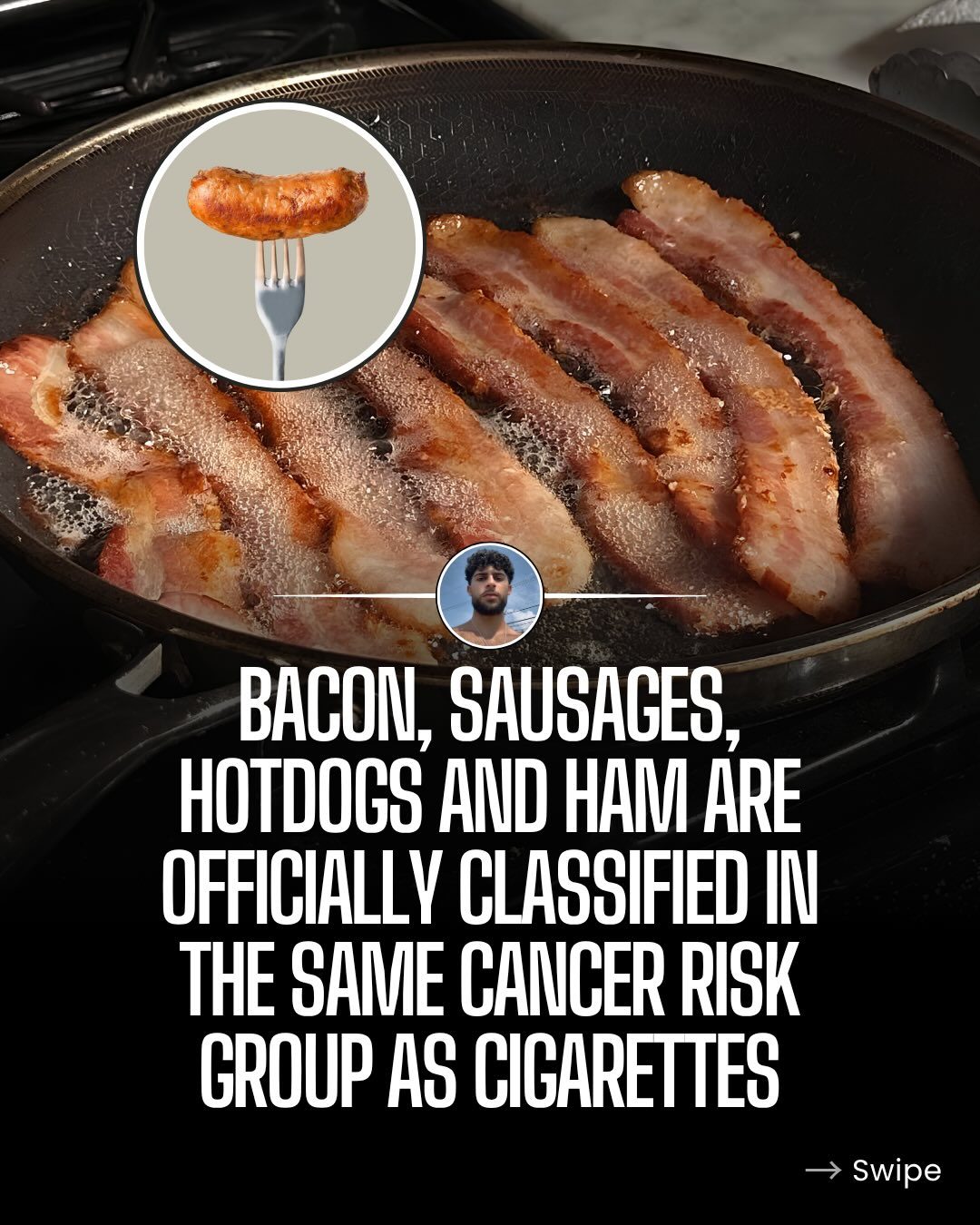
Processed Meats and Cancer Risk
Processed meats, such as bacon, sausages, hot dogs, and ham, are a staple in many diets. However, there is growing concern about their potential health risks. The World Health Organization (WHO), through its International Agency for Research on Cancer (IARC), has classified processed meats as Group 1 carcinogens. This means that there is sufficient evidence to link these foods to an increased risk of cancer, particularly colorectal cancer.
Why This Matters
Understanding the potential risks associated with processed meats is crucial for making informed dietary choices. Processed meats are commonly consumed and are often a convenient option for many people. However, the classification by the WHO highlights the importance of being aware of the health implications of frequent consumption.
Main Discussion
The WHO Classification
In 2015, the IARC, an agency of the WHO, conducted a comprehensive review of the available evidence on the carcinogenicity of red meat and processed meat. The findings were alarming: processed meats were officially classified as Group 1 carcinogens. This places them in the same category as tobacco smoke and asbestos, substances known to cause cancer in humans.
What Are Processed Meats?
Processed meats include a variety of foods that have been preserved by smoking, curing, or salting, or through the addition of chemical preservatives. Common examples include:
- Bacon
- Hot dogs
- Sausages
- Ham
- Salami
- Pâté
- Canned meat
- Meat-based jerky
The Role of Nitrites and Nitrates
One of the key factors in the carcinogenicity of processed meats is the use of nitrites and nitrates. These chemicals are often added to processed meats as preservatives to enhance flavor and extend shelf life. However, when these compounds are heated or digested, they can form N-nitroso compounds, which are known carcinogens.
Reducing the Risk
While the classification of processed meats as carcinogens is concerning, there are steps that can be taken to reduce the risk:
Look for Alternative Labels
When shopping for meats, look for products labeled as "no nitrites or nitrates added" or "uncured." These labels indicate that the meat has been processed without the addition of these chemical preservatives. Examples of brands that offer such products include Applegate and Hebrew National.
Limit Consumption
Reducing the overall consumption of processed meats can also help lower the associated risk. Opt for lean proteins and plant-based alternatives when possible.
Practical Tips
- Read Labels Carefully: Always check the ingredient list for the presence of nitrites and nitrates.
- Opt for Fresh Meat: Choose fresh, unprocessed meats whenever possible.
- Explore Alternatives: Consider plant-based or fish-based options as healthier alternatives to processed meats.
- Use a Food Scanner App: Utilize apps like Scout to scan your food for hidden toxins and chemicals.
Important Takeaways
- Processed Meats and Cancer: There is a significant link between the consumption of processed meats and an increased risk of colorectal cancer.
- Chemical Preservatives: Nitrites and nitrates, commonly used in processed meats, are linked to cancer risk.
- Label Awareness: Look for labels that indicate "no nitrites or nitrates added" or "uncured."
- Healthy Choices: Reduce consumption of processed meats and opt for healthier, unprocessed alternatives.
Conclusion
The classification of processed meats as Group 1 carcinogens by the WHO underscores the need for vigilance in our dietary choices. While it is not necessary to eliminate processed meats entirely, being mindful of the labels and opting for healthier alternatives can significantly reduce the associated risks. By choosing meats labeled as "no nitrites or nitrates added" or "uncured" and limiting overall consumption, you can take proactive steps towards a healthier lifestyle. Always stay informed and make conscious decisions about the food you consume.
Watch the Reel
Questions readers ask
What types of meats are considered processed and pose a cancer risk?
Processed meats include foods like bacon, sausages, hot dogs, ham, and other cured or preserved meats. These foods often contain nitrites and nitrates, which can form harmful compounds when heated or digested, contributing to an increased cancer risk.
Why did the World Health Organization classify processed meats as Group 1 carcinogens?
The World Health Organization (WHO) classified processed meats as Group 1 carcinogens based on sufficient evidence linking these foods to an increased risk of cancer, particularly colorectal cancer. This classification is the same as for tobacco smoke and asbestos.
What are nitrites and nitrates, and why are they concerning in processed meats?
Nitrites and nitrates are preservatives used in processed meats to enhance flavor and color and prevent bacterial growth. However, when these compounds are heated or digested, they can transform into harmful substances called N-nitroso compounds, which are associated with an elevated cancer risk.
Are uncured meats a safer alternative to processed meats?
While uncured meats may not contain added nitrites or nitrates, they can still pose health risks. Many uncured meats use natural sources of nitrites, like celery powder, which can still form harmful compounds when cooked or digested. It's best to consume all processed and cured meats in moderation.
What are the hidden risks in consuming processed meats?
Hidden risks in consuming processed meats include the presence of nitrites and nitrates, which can form harmful compounds and potentially increase cancer risk. Additionally, processed meats often contain high amounts of sodium and saturated fats, which can contribute to other health issues like heart disease and high blood pressure.
How does the consumption of processed meats impact overall diet and cancer risk?
Regular consumption of processed meats can increase the overall risk of cancer, particularly colorectal cancer. To mitigate this risk, it's important to limit the intake of these foods and incorporate a variety of unprocessed, whole foods into your diet.
What are some healthier alternatives to processed meats?
Healthier alternatives to processed meats include lean, unprocessed proteins such as fresh poultry, fish, legumes, and tofu. Opting for these alternatives can help reduce the intake of harmful compounds and lower the risk of cancer and other health issues.
Recent articles
Fresh deep dives from the latest Reels we unpacked.




Comments
Be the first to comment.