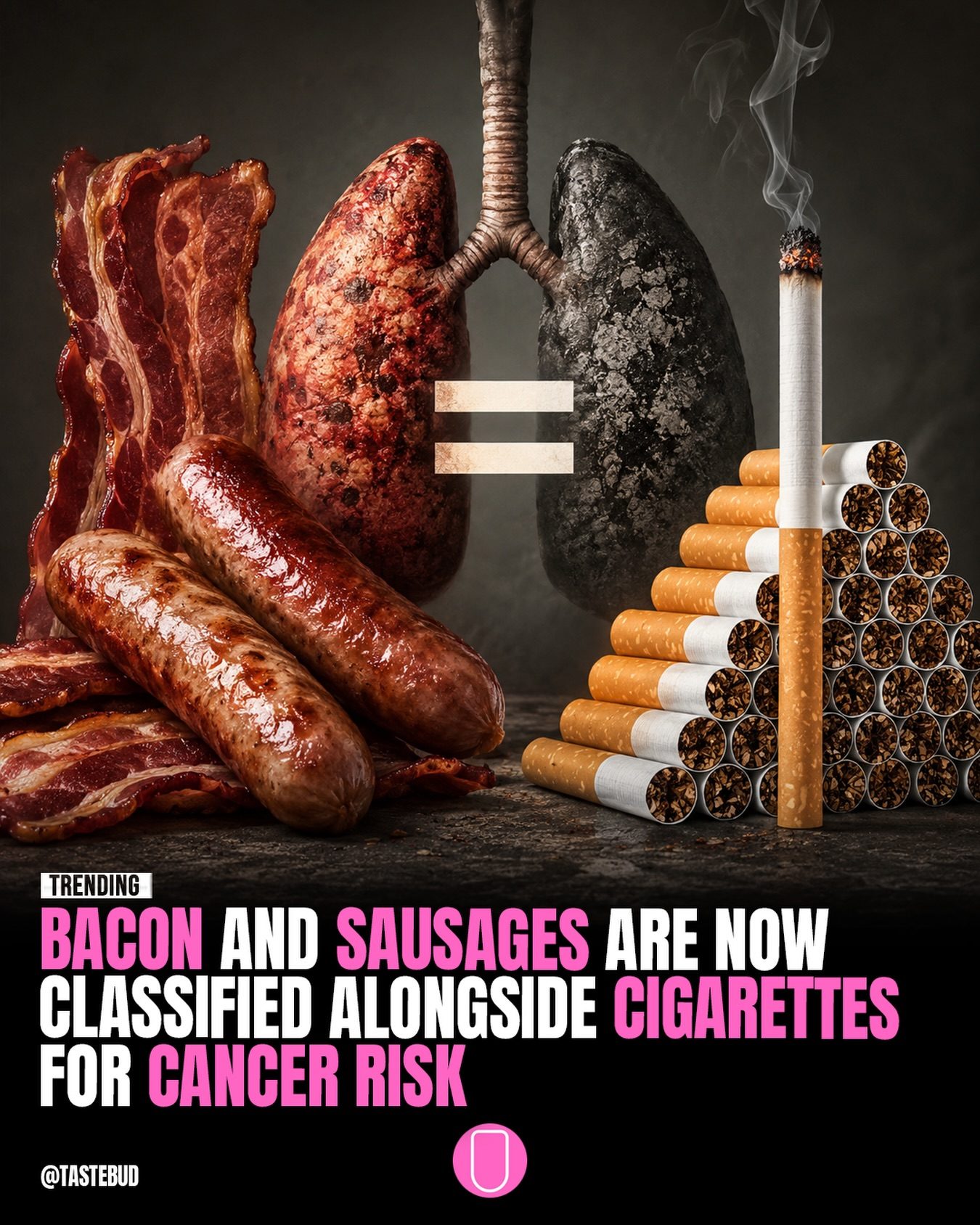
Processed meats, such as bacon, sausages, and ham, have been classified as Group 1 carcinogens by the World Health Organization (WHO). This classification indicates that there is strong scientific evidence linking these foods to cancer. While this category is the same as that for smoking, it's important to note that the classification reflects the strength of the evidence, not the level of risk.
This revelation has significant implications for public health, as processed meats are commonly consumed in many diets. Understanding the risks and the underlying factors that contribute to the classification is crucial for making informed dietary choices.
Context / Why this matters
The classification of processed meats as Group 1 carcinogens is based on a comprehensive evaluation of scientific studies. The main concerns revolve around the curing, smoking, and chemical preservatives used in the processing of these meats. These processes often involve the use of nitrites and nitrates, which can form nitrosamines, known carcinogens, when exposed to high heat during cooking.
Carcinogens are substances that can potentially cause cancer. The classification system used by the WHO categorizes carcinogens based on the strength of evidence linking them to cancer. Group 1 includes substances for which there is sufficient evidence of carcinogenicity in humans. This is the same category as smoking, alcohol, and asbestos, which have well-established links to cancer.
Main Discussion
Understanding the Risks
The classification of processed meats as carcinogenic does not mean that consuming a small amount is as harmful as smoking. The level of risk associated with processed meats is different from that of smoking, although both fall into the same classification category. The WHO emphasizes that regular consumption of processed meats can increase the risk of colorectal cancer. According to their findings, each additional 50 grams of processed meat consumed daily increases the risk of colorectal cancer by 18%.
Processing Methods and Chemicals
The primary concern with processed meats lies in the methods used to preserve and flavor them. The curing process, which involves the use of nitrites and nitrates, is particularly problematic. These chemicals help to preserve the meat and enhance its color, but they can also form nitrosamines, which are known carcinogens. When processed meats are cooked at high temperatures, the formation of these harmful compounds increases.
Smoking is another method that can introduce harmful substances. This process exposes the meat to smoke, which contains various carcinogens like polycyclic aromatic hydrocarbons (PAHs) and heterocyclic amines (HCAs). These compounds are also formed during high-temperature cooking methods such as grilling and frying.
Public Health Implications
The classification of processed meats as carcinogens has significant public health implications. These foods are widely consumed in many cultures and are often a staple in various diets. Public health organizations recommend reducing the intake of processed meats as a preventive measure to lower the risk of certain cancers, particularly colorectal cancer.
Practical Tips
Reducing the consumption of processed meats can be a prudent step towards maintaining good health. Here are some practical tips to help you make informed dietary choices:
Limit Processing and Additives
Opt for fresh, unprocessed meats whenever possible. If you do consume processed meats, try to limit the frequency and quantity. Fresh meats, poultry, and fish are generally safer alternatives as they do not contain the same levels of nitrates or nitrites.
Choose Healthier Cooking Methods
Avoid high-temperature cooking methods such as grilling, frying, and broiling, which can form harmful compounds in the meat. Instead, opt for gentler cooking methods like steaming, boiling, or slow cooking. These methods help retain the nutrients in the meat and reduce the formation of carcinogens.
Incorporate Plant-Based Options
Incorporate more plant-based foods into your diet. Fruits, vegetables, whole grains, legumes, and plant-based proteins can provide essential nutrients and fiber without the added risks associated with processed meats. Some plant-based alternatives, like tempeh and tofu, can mimic the texture and flavor of processed meats, making them a tasty and safe substitute.
Check Labels for Nitrogen Additives
When purchasing meat products, check the labels for the presence of nitrates and nitrites. Opt for products labeled as "no nitrates or nitrites added" (though some products with this label may still contain naturally occurring compounds). Additionally, look for organic and natural meat products, which are often processed using safer methods.
Important Takeaways
The classification of processed meats as Group 1 carcinogens underscores the need for greater awareness and caution in our dietary choices. While these foods can be part of a balanced diet, it is essential to be mindful of their potential risks. By opting for fresh, unprocessed meats and incorporating healthier cooking methods, we can reduce our exposure to harmful compounds.
Understanding the risks associated with processed meats can empower us to make better dietary choices. By limiting our intake of these foods and opting for healthier alternatives, we can take proactive steps towards maintaining our health and reducing the risk of certain cancers.
Conclusion
The World Health Organization's classification of processed meats as Group 1 carcinogens serves as a wake-up call for individuals to reassess their dietary habits. While processed meats can be part of a balanced diet, it is important to be aware of the potential risks associated with their consumption. By making informed choices and opting for healthier alternatives, we can reduce our exposure to harmful compounds and take proactive steps towards maintaining our health. Whether you are a meat lover or a health-conscious individual, understanding the risks and taking practical steps to mitigate them can greatly benefit your overall well-being.
Watch the Reel
Questions readers ask
What does it mean that processed meats are classified as Group 1 carcinogens by the WHO?
This classification indicates that there is strong scientific evidence linking processed meats, such as bacon and sausage, to cancer. It means that the evidence is robust, but it does not specify the level of risk. The classification is based on a comprehensive evaluation of scientific studies conducted by the World Health Organization.
How do the cancer risks of processed meats compare to those of smoking?
While both processed meats and smoking are classified as Group 1 carcinogens, the levels of risk are not the same. The classification reflects the strength of the evidence, not the amount of risk. Smoking has a higher risk factor for causing cancer. It’s essential to understand the distinct risks associated with each and make informed decisions accordingly.
What are some examples of processed meats that are linked to cancer?
Examples of processed meats that have been linked to cancer include bacon, sausages, and ham. These meats undergo processes like curing, smoking, or adding preservatives, which can contribute to their carcinogenic properties. It's important to be aware of these foods and consider their consumption in your diet.
Why is it important to understand the risks associated with processed meats?
Understanding the risks associated with processed meats is crucial for making informed dietary choices. Given that these foods are commonly consumed in many diets, recognizing the potential health implications can help individuals make better decisions about their food intake and overall health.
How can I reduce my intake of processed meats?
To reduce your intake of processed meats, consider substituting them with healthier protein sources like poultry, fish, beans, and lentils. When purchasing meat, opt for fresh, unprocessed options. Additionally, limit your consumption of processed meats by planning meals that focus on other nutritious foods and enjoy processed meats as occasional treats rather than daily staples.
What are some healthier alternatives to processed meats?
Some healthier alternatives to processed meats include poultry, fish, beans, lentils, and tofu. These alternatives can provide similar nutritional benefits without the added risks. For example, grilled chicken, baked fish, and bean-based dishes are excellent options that can help you maintain a balanced diet and minimize your exposure to cancer risks.
Are there any specific preservatives in processed meats that contribute to cancer risk?
Processed meats often contain preservatives like nitrates and nitrites, which can contribute to their carcinogenic effects. These chemicals are often added to extend shelf life and enhance flavor. Reducing your intake of processed meats can help limit your exposure to these harmful additives and benefit your overall health.
Related deep dives
Similar reads based on topic and creator.



Recent articles
Fresh deep dives from the latest Reels we unpacked.




Comments
Be the first to comment.