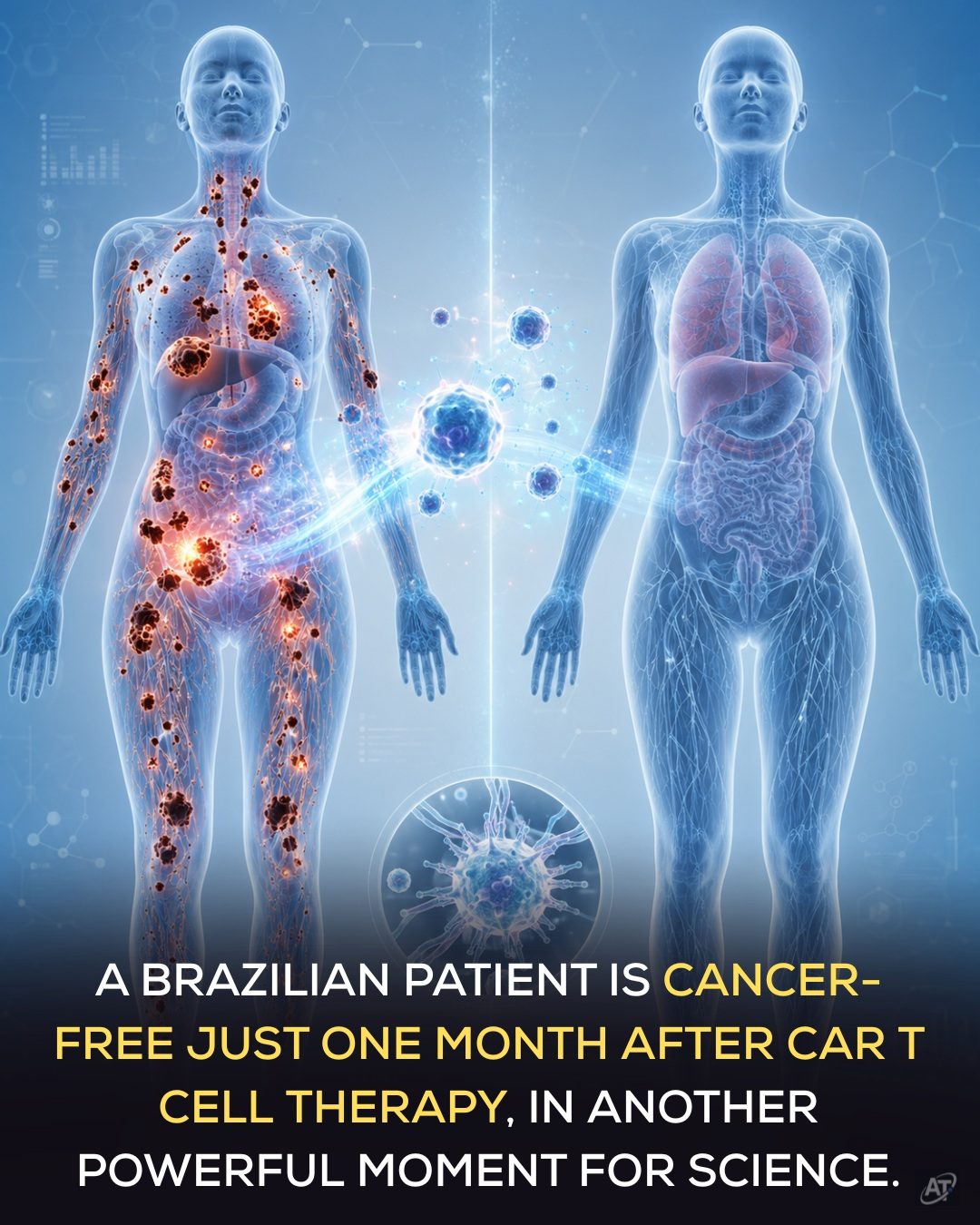
CAR T-Cell Therapy: A Breakthrough in Cancer Treatment
Paulo Peregrino, a Brazilian patient, experienced a remarkable turnaround in his battle against advanced lymphoma. Within just 30 days of receiving his own genetically reprogrammed immune cells, his cancer was no longer detectable on follow-up tests. This groundbreaking result came after years of extensive treatment, including repeated chemotherapy and a bone marrow transplant, before he enrolled in an experimental CAR T-cell therapy program in Brazil.
Context / Why this matters
CAR T-cell therapy represents a significant advancement in cancer treatment, particularly for blood cancers like certain leukemias, lymphomas, and multiple myeloma. Unlike traditional treatments, CAR T-cell therapy involves re-engineering a patient's own immune cells to recognize and attack cancer cells. This personalized approach has shown tremendous promise, offering new hope to patients who have exhausted other treatment options.
Main discussion
Understanding CAR T-cell Therapy
CAR T-cell therapy, or chimeric antigen receptor T-cell therapy, is often referred to as a "living drug." The process begins with the collection of a patient's T cells, which are a type of white blood cell crucial for the immune system. These T cells are then genetically modified in the laboratory to produce chimeric antigen receptors (CARs) on their surface. These receptors are designed to recognize specific markers found on cancer cells.
Once the T cells are engineered with the appropriate receptors, they are multiplied in the lab and then reintroduced into the patient's bloodstream. Inside the body, these modified cells can expand and actively seek out and destroy cancer cells that carry the targeted markers. This targeted approach allows for a more precise and effective treatment compared to traditional chemotherapy, which can harm both healthy and cancerous cells.
The Journey of Paulo Peregrino
Paulo Peregrino's case is a compelling example of the transformative potential of CAR T-cell therapy. After undergoing multiple rounds of chemotherapy and a bone marrow transplant, Peregrino was enrolled in an experimental CAR T-cell program in Brazil. The specially engineered cells were infused into his body, and within a month, doctors reported that he had achieved complete remission.
Complete remission means that there is no detectable evidence of cancer in the body. However, it is important to note that while this outcome is promising, it does not automatically equate to a cure. CAR T-cell therapy, while revolutionary, does not work for everyone and can cause serious side effects. Long-term monitoring is essential to ensure that the cancer does not return and to manage any potential complications.
The Impact on Blood Cancers
CAR T-cell therapy has fundamentally changed the landscape of treatment for certain blood cancers. For patients with difficult-to-treat conditions like leukemias, lymphomas, and multiple myeloma, this therapy offers a new level of hope. Traditional treatments often come with significant side effects and may not be effective for everyone. CAR T-cell therapy provides a targeted approach that leverages the body's own immune system to fight the disease.
Researchers are also exploring whether newer versions of CAR T-cell therapy can be effective against solid tumors. While progress in this area has been challenging, the potential for broader application of this therapy is a subject of ongoing research and clinical trials. The success stories, like that of Paulo Peregrino, underscore the importance of continued investigation and development in this field.
Practical Tips
For patients considering CAR T-cell therapy, it is crucial to understand both the benefits and the potential risks. Here are some practical tips to navigate this treatment option:
- Consult with Specialists: Work closely with healthcare providers who specialize in CAR T-cell therapy. They can provide detailed information about the process, potential outcomes, and side effects.
- Understand the Side Effects: CAR T-cell therapy can cause serious side effects, including cytokine release syndrome (CRS) and neurotoxicity. Patients should be aware of these risks and know the signs to look out for.
- Long-term Monitoring: Even after achieving remission, ongoing monitoring is essential. Regular follow-ups and scans can help detect any recurrence of cancer and manage side effects.
- Stay Informed: Keep up-to-date with the latest research and clinical trials. The field of CAR T-cell therapy is rapidly evolving, and new advancements may offer additional treatment options in the future.
- Consider Support Systems: Dealing with cancer treatment can be emotionally and physically challenging. Seek support from family, friends, and support groups to help manage the journey.
Important takeaways
- Personalized Medicine: CAR T-cell therapy represents a significant advancement in personalized medicine, offering targeted treatment options for patients with difficult-to-treat blood cancers.
- Transformative Potential: The therapy has shown remarkable success in achieving complete remission for some patients, providing new hope for those who have exhausted other treatment options.
- Potential Side Effects: While the benefits are significant, it is essential to be aware of the potential side effects and the need for careful long-term monitoring.
- Ongoing Research: The field is continually evolving, with researchers exploring new applications for solid tumors and other challenging cancers.
Conclusion
CAR T-cell therapy is a groundbreaking advancement in cancer treatment, offering a targeted and effective approach for patients with difficult-to-treat blood cancers. Paulo Peregrino's case highlights the transformative potential of this therapy, providing new hope for those battling cancer. As research continues to develop, the future of CAR T-cell therapy looks promising, with the potential to expand its applications and improve outcomes for even more patients.
Watch the Reel
Questions readers ask
What is CAR T-cell therapy and how does it work?
CAR T-cell therapy is a specialized cancer treatment that uses a patient's own immune cells to fight cancer. The process involves collecting and re-engineering T-cells, a type of white blood cell, to recognize and target cancer cells. These modified cells are then infused back into the patient to attack and destroy the cancer, making it a highly personalized and innovative treatment.
How long does it typically take to see results from CAR T-cell therapy?
The timeline for results can vary, but in some cases, like Paulo Peregrino's, significant improvements can be seen in as little as 30 days. This rapid response is one of the remarkable aspects of CAR T-cell therapy, offering hope to patients who have not responded to traditional treatments.
Who is a good candidate for CAR T-cell therapy?
CAR T-cell therapy is generally considered for patients with certain types of blood cancers, such as certain leukemias, lymphomas, and multiple myeloma, who have not responded to or relapsed after standard treatments. It is most effective for patients in relatively good overall health and with adequate immune function before treatment.
What are the side effects of CAR T-cell therapy?
While CAR T-cell therapy can be highly effective, it can also cause significant side effects. Common issues include cytokine release syndrome (CRS), which involves high fever and flu-like symptoms, and neurotoxicity, which can affect brain function. These side effects are typically managed in a hospital setting, and most patients recover.
Is CAR T-cell therapy widely available?
CAR T-cell therapy is available in major medical centers and some specialized hospitals around the world, including in Brazil as seen in Paulo Peregrino's case. However, access may be limited by factors such as cost, insurance coverage, and the availability of clinical trials or approved treatment programs.
What makes CAR T-cell therapy a revolutionary treatment?
CAR T-cell therapy is revolutionary because it harnesses the body's own immune system to fight cancer. Unlike traditional therapies that target cancer cells directly, this approach uses the patient's own immune cells, making it a highly personalized and effective treatment option.
What happens after CAR T-cell therapy?
After CAR T-cell therapy, patients are closely monitored for both the efficacy of the treatment and potential side effects. Regular follow-up tests are conducted to check for cancer remission and overall health. If effective, the modified T-cells can continue to fight the cancer, potentially leading to long-term remission.
Related deep dives
Similar reads based on topic and creator.


Recent articles
Fresh deep dives from the latest Reels we unpacked.




Comments
Be the first to comment.