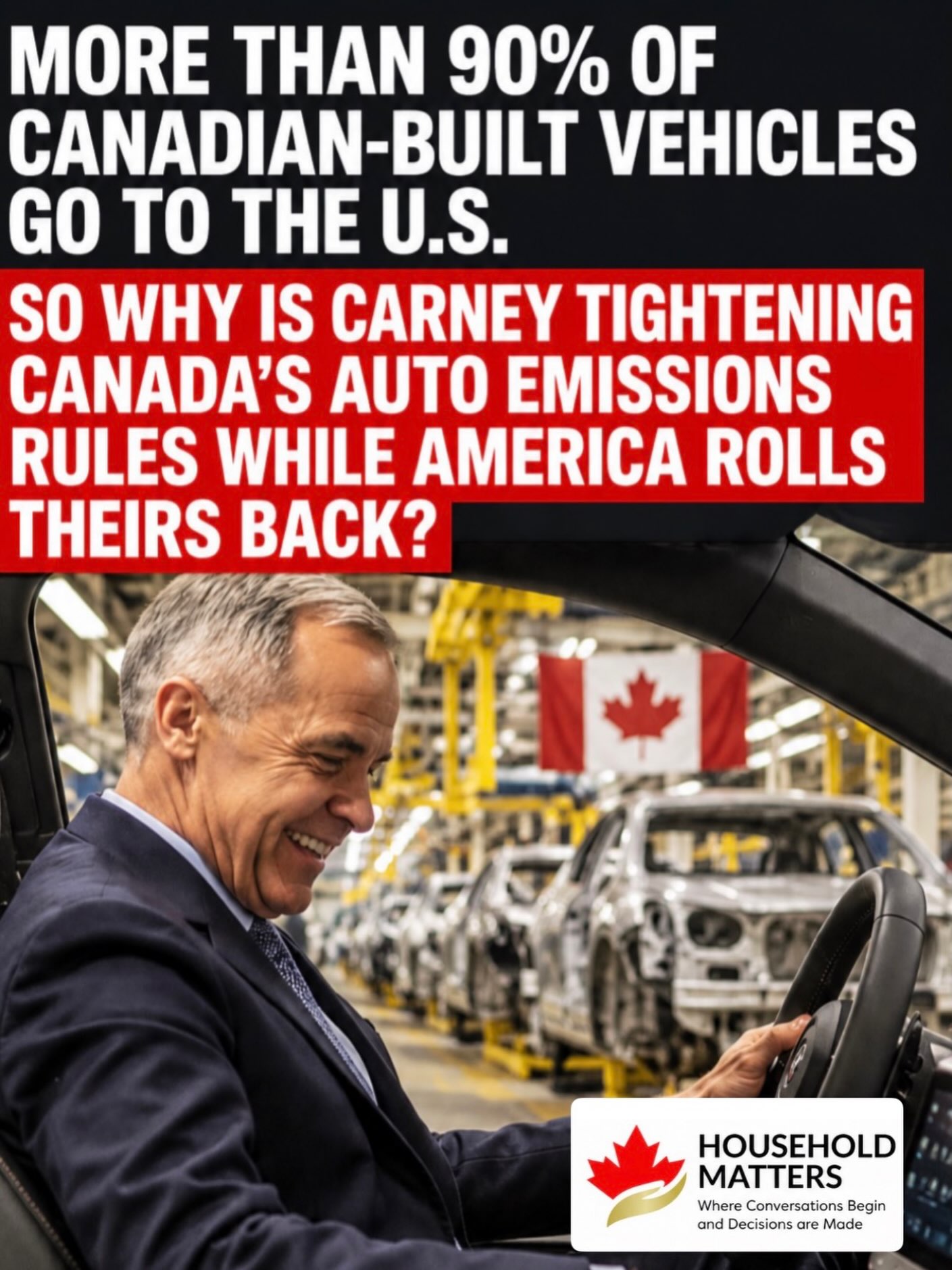
Canada and the United States both produce lines of automobiles. … with over 90% of Canada’s exports of its auto production going to the United States, the significance of emissions rules that surround them becomes all the more apparent. Canada is tightening its auto emissions rules, this will have direct impacts on its auto exports to the US. Canada is finally stepping up and setting upper limits on nitrogen oxides, hydrocarbon and carbon monoxide levels. The country is intent to make sure that the entertainment industry continues to employ stringent measures and controls to protect the environment.
Canadian Auto Emissions
Canada’s emissions regulatory policy is known as “On-Road Vehicle and Engine Emission Regulations.” This regulatory framework outlines strict guidelines for manufacturers’ vehicles, engines, and various vehicle systems, including pollution controls and engines. The regulation seeks to reduce the amount of harmful emissions from vehicles. These regulatory policies are influenced by a wide range of standards that have evolved over the last few decades. For example, the Corporate Average Fuel Economy (CAFE) standards are regulations that set the fuel economy standards for auto manufacturers to be achieved. This policy has been in place since the 1970s. The Canadian emissions regulations were first detailed following the Montreal Protocol (1987) and the most recent amendment was in 2015. But the recent policy changes have implications for the entertainment sector.
The Edge of Federal Policy
Diverging stances on emissions regulations in Canada versus the United States underscore a broader tension between federal policy and industry regulations. Canada’s decision to emphasize environmental protection contrasts with the United States’ recent rollback of auto emissions rules. These developments occur as Canada braces for the potential economic ripple effects on both its domestic auto industry and the broader North American market. The automaker, Ford of Canada Ltd, will have a hard time navigating the difference in emissions regulations between both countries. But Ford is not alone. Multiple manufacturers who sell vehicles in both countries are facing similar challenges. The American automaker is particularly interested in the test results from any differences between the emissions regulations for comparison and to ensure that they comply with requirements. The divergence in regulatory standards poses challenges for automakers such as producing vehicles that meet Canadian requirements but also comply with U.S. rules without losing the ability to compete in a shared market.
Export Numbers
Canada’s auto production is heavily dependent on the U.S. market. Over 90% of Canadian-built vehicles are destined for export to the U.S. The alignment of regulatory frameworks between the two countries was historically beneficial for maintaining smooth trade relations. This can make it difficult for automotive companies to adjust to changing regulations. Canada’s strict emissions regulations have led to significant reductions in vehicle emissions, contributing to cleaner air and reduced greenhouse gas emissions. While these benefits are undeniable, some Canadian automakers may still face export challenges. The United States’ recent rollback of emissions standards has made the situation vexing. Canadian vehicles that meet the U.S. standards could still surpass the local requirements, making compliance for Canadian companies tricky.
Industry Impact
The potential rise in costs due to compliance requirements impacts the market prices of vehicles. As the U.S. eases its regulations, the production costs in the United States for vehicles will also decrease. As automotive manufacturers reassess their strategies, some may move production facilities to the United States to take advantage of the relaxed standards, while others may choose to split their operations to comply with both. This could potentially increase production costs to comply with Canadian regulations, which would in turn raise prices in the U.S. to find ways to compete. The entertainment industry would have a direct impact from these new employees are hired to make sure that the policies are implemented to reduce emissions for the auto industry.
Evolving Regulations
A lot of people have been told that there is only one way to ensure compliance with the vehicle emission standards – and that is to implement the regulatory framework. But standards cannot be implemented overnight. People have been told that legislation exists to support these regulations. But the regulations are only as good as their implementation. This would allow the public to benefit the most from these regulations. The regulations are as much about accountability as they are about compliance. This becomes important to implement in a timely manner. It is unclear whether some Canadians are concerned that the regulations may be too stringent. But Canadians love their cars. What would Canadians do if they were not allowed to drive?
Practical Adjustments
Traditionally, Canadians have been proud of their cars. There are a lot of cars in Canada, and it is the hope that Canada will continue to support these regulations. But compliance with the regulations still matters. There is always a way to be accountable and responsible. When purchasing a vehicle, * Guidance: check the fuel efficiency. * Preparation: look for an environmentally friendly vehicle. * Plan Ahead: Invest in regular vehicle maintenance to ensure compliance with emissions standards. * Understand the Market: Research differences in regulatory framework between both Canada and the U.S.
Overnight Changes
This unique situation is not without risk. Amidst the tension between federal policy, market demands, and regulatory standards, the automotive industry remains at a turning point. Canadian automakers must balance regulatory compliance with economic practicality and the demands of the Canadian market. The country is balancing on the edge of emissions regulations, striving to protect its environmental standards by choosing the right policy to implement. If supporters of these policies are to make use of this trend, they would need to be patient as the transition period lasts.
Watch the Reel
Questions readers ask
What are the specific pollutants targeted by Canada's new auto emissions rules?
Canada's new auto emissions rules focus on setting upper limits for nitrogen oxides, hydrocarbons, and carbon monoxide. These pollutants are known to contribute to air pollution and have adverse effects on both human health and the environment. By regulating these emissions, Canada aims to improve air quality and reduce the environmental impact of vehicles on the road.
How do Canada’s auto emissions regulations differ from those in the United States?
Canada's auto emissions regulations are generally stricter than those in the United States, particularly with the recent rollback of emissions rules in the U.S. This difference poses challenges for automakers, who must ensure their vehicles comply with both sets of regulations to remain competitive in the shared North American market.
What impact will Canada's tighter emissions rules have on the auto industry?
The tightened emissions rules in Canada will require automakers to invest in and adopt more advanced, environmentally friendly technologies. This could lead to higher production costs, but it will also drive innovation in cleaner vehicle technologies and potentially create new opportunities in the green automotive sector.
What are CAFE standards and how do they relate to Canada’s emissions regulations?
CAFE, or Corporate Average Fuel Economy, standards are regulations that set fuel economy targets for auto manufacturers. These standards have been in place since the 1970s and are part of the broader regulatory framework that influences Canada’s emissions policies. By setting these standards, Canada aims to reduce the environmental impact of vehicles by improving fuel efficiency, which in turn lowers emissions.
How does the Montreal Protocol influence Canada’s emissions regulations?
The Montreal Protocol, signed in 1987, was a significant milestone in international environmental policy, focusing on the protection of the ozone layer. Canada’s emissions regulations, particularly those related to vehicle emissions, were first detailed following this agreement. The protocol’s influence has led to stricter controls on emissions, contributing to Canada’s commitment to environmental protection.
What challenges do automakers like Ford of Canada face due to the differing emissions regulations between Canada and the U.S.?
Automakers like Ford of Canada face challenges in producing vehicles that meet both Canadian and U.S. emission standards. They need to ensure compliance with stricter Canadian rules while also adhering to U.S. regulations, which can be more lenient. This dual compliance can increase production costs and complexity, affecting their ability to compete in both markets.
Will the new emissions rules affect the cost of vehicles in Canada?
The new emissions rules could potentially increase the cost of vehicles in Canada, as automakers will need to invest in more advanced, environmentally friendly technologies to meet the stricter standards. This could lead to higher production costs, which may be passed on to consumers in the form of higher vehicle prices. However, the environmental benefits and potential long-term savings from reduced emissions could offset these initial costs.
Related deep dives
Similar reads based on topic and creator.


Recent articles
Fresh deep dives from the latest Reels we unpacked.




Comments
Be the first to comment.