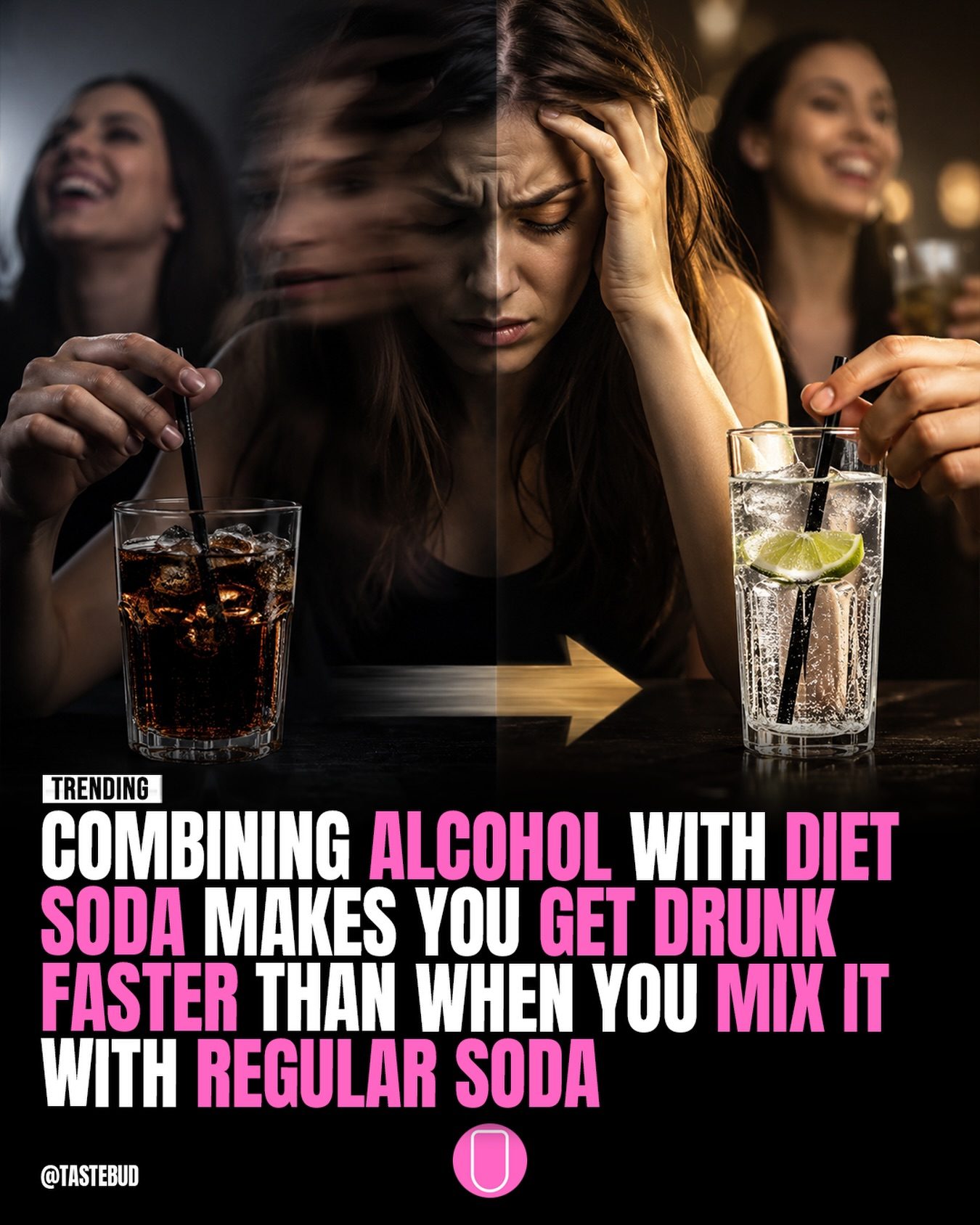
Alcohol and Diet Soda: Understanding the Impact
When it comes to enjoying an alcoholic beverage, the choice of mixer can significantly impact how quickly and intensely the alcohol affects you. Recent research highlights that mixing alcohol with diet soda can lead to higher blood alcohol levels compared to using regular soda as a mixer. This phenomenon is due to the way sugar in regular soda interacts with alcohol absorption in the body. Let's delve into the science behind this, understand why this matters, and explore some practical tips for safer drinking.
Context / Why this matters
Understanding how different mixers affect alcohol absorption is crucial for anyone who enjoys an occasional cocktail. The rate at which alcohol is absorbed into the bloodstream can influence how quickly you feel the effects and how impaired you become. This knowledge is particularly important for those who want to enjoy their drinks responsibly and avoid overindulging.
Main discussion
The Role of Sugar in Absorption
The primary factor at play here is the presence of sugar in regular soda. Sugar, when mixed with alcohol, can slow down the rate at which alcohol is absorbed into the bloodstream. This is because the sugar acts as a barrier, slowing the transfer of alcohol from the stomach to the intestines. In contrast, diet soda, which is sugar-free, does not have this barrier, allowing for faster absorption of alcohol.
How Diet Soda Speeds Up Intoxication
When you mix alcohol with diet soda, the lack of sugar means there's nothing to slow down the absorption process. As a result, the alcohol is absorbed more quickly, leading to higher blood alcohol levels in a shorter amount of time. This can make you feel the effects of alcohol more rapidly and intensely, increasing the risk of overconsumption and its associated dangers.
The Science Behind the Studies
Controlled studies have shown that individuals who consume alcohol mixed with diet soda experience a faster rise in blood alcohol levels compared to those who mix their alcohol with regular soda. This is due to the absence of the sugar barrier, allowing the alcohol to be absorbed more efficiently. Researchers suggest that this faster absorption can lead to a higher level of impairment, which can be dangerous if not monitored carefully.
The Risks of Faster Absorption
One of the significant risks associated with faster alcohol absorption is the potential for underestimating one's level of impairment. When alcohol is absorbed quickly, the effects can be more intense and immediate, making it easier to lose track of how much alcohol has been consumed. This can result in impaired judgment, reduced motor skills, and increased risk of accidents or harmful behaviors.
Practical tips
To enjoy your drinks responsibly and minimize the risks associated with faster alcohol absorption, consider the following tips:
Choose Your Mixer Wisely
If you're looking to slow down the absorption of alcohol, opt for regular soda as your mixer. The sugar content can help slow down the process, giving you more time to gauge your level of intoxication.
Stay Hydrated
Drinking plenty of water between alcoholic beverages can help dilute the alcohol in your system, slowing down absorption. This can also help prevent dehydration, which is a common side effect of alcohol consumption.
Pace Yourself
Avoid drinking too quickly. Taking your time to sip your drink can help you monitor your level of intoxication and reduce the risk of overconsumption. Remember, it's better to enjoy your drink slowly and stay in control.
Eat Before Drinking
Having a meal before consuming alcohol can also slow down the absorption process. Food in your stomach can act as a buffer, delaying the absorption of alcohol into your bloodstream.
Know Your Limits
Understanding your personal limits is crucial. Everyone's body responds differently to alcohol, so it's essential to pay attention to how you feel and adjust your consumption accordingly. If you start to feel the effects of alcohol more quickly than usual, it might be a sign to slow down or stop drinking.
Be Aware of Your Mixer
If you're mixing alcohol with diet soda, be mindful of the faster absorption rate. You might feel the effects more quickly, so it's essential to drink responsibly and be aware of your level of impairment.
Important takeaways
When mixing alcohol with diet soda, it's essential to be aware of the faster absorption rate and the potential risks associated with it. Choosing your mixer wisely, staying hydrated, pacing yourself, and knowing your limits can help ensure a safer and more enjoyable drinking experience. Always be mindful of how you feel and adjust your consumption accordingly to avoid overindulging.
Conclusion
The choice of mixer can significantly impact how quickly and intensely alcohol affects you. While diet soda may seem like a healthier option, it can lead to faster absorption and higher blood alcohol levels. By understanding the science behind this and following practical tips, you can enjoy your drinks responsibly and minimize the associated risks. Always remember to drink in moderation and pay attention to how you feel to ensure a safer and more enjoyable experience.
Watch the Reel
Questions readers ask
How does diet soda affect alcohol absorption?
Diet soda can speed up alcohol absorption because it lacks sugar. This means alcohol can enter the bloodstream more rapidly, potentially leading to quicker intoxication compared to mixing alcohol with regular soda.
Why does regular soda slow down alcohol absorption?
Regular soda contains sugar, which slows down the rate at which alcohol is absorbed into the bloodstream. This is because the body needs to process the sugar, delaying the absorption of alcohol.
Can mixing alcohol with diet soda make you drunk faster?
Yes, studies show that mixing alcohol with diet soda can accelerate intoxication. This is due to the faster absorption of alcohol into the bloodstream when there is no sugar to slow down the process.
Does the type of soda affect how quickly alcohol is metabolized?
The type of soda can influence alcohol absorption rates, but it does not significantly affect how quickly alcohol is metabolized by the liver. The key difference is in the initial absorption process.
What are some practical tips for safer drinking when using diet soda?
When mixing alcohol with diet soda, it's important to drink responsibly and stay hydrated. Consider alternating your alcoholic beverages with water and avoid consuming too much too quickly.
Are there any other factors that can affect how quickly alcohol is absorbed?
Yes, many factors can influence alcohol absorption, such as body weight, gender, and whether you've eaten recently. It's important to consider these factors as well when consuming alcoholic beverages.
Related deep dives
Similar reads based on topic and creator.



Recent articles
Fresh deep dives from the latest Reels we unpacked.




Comments
Be the first to comment.