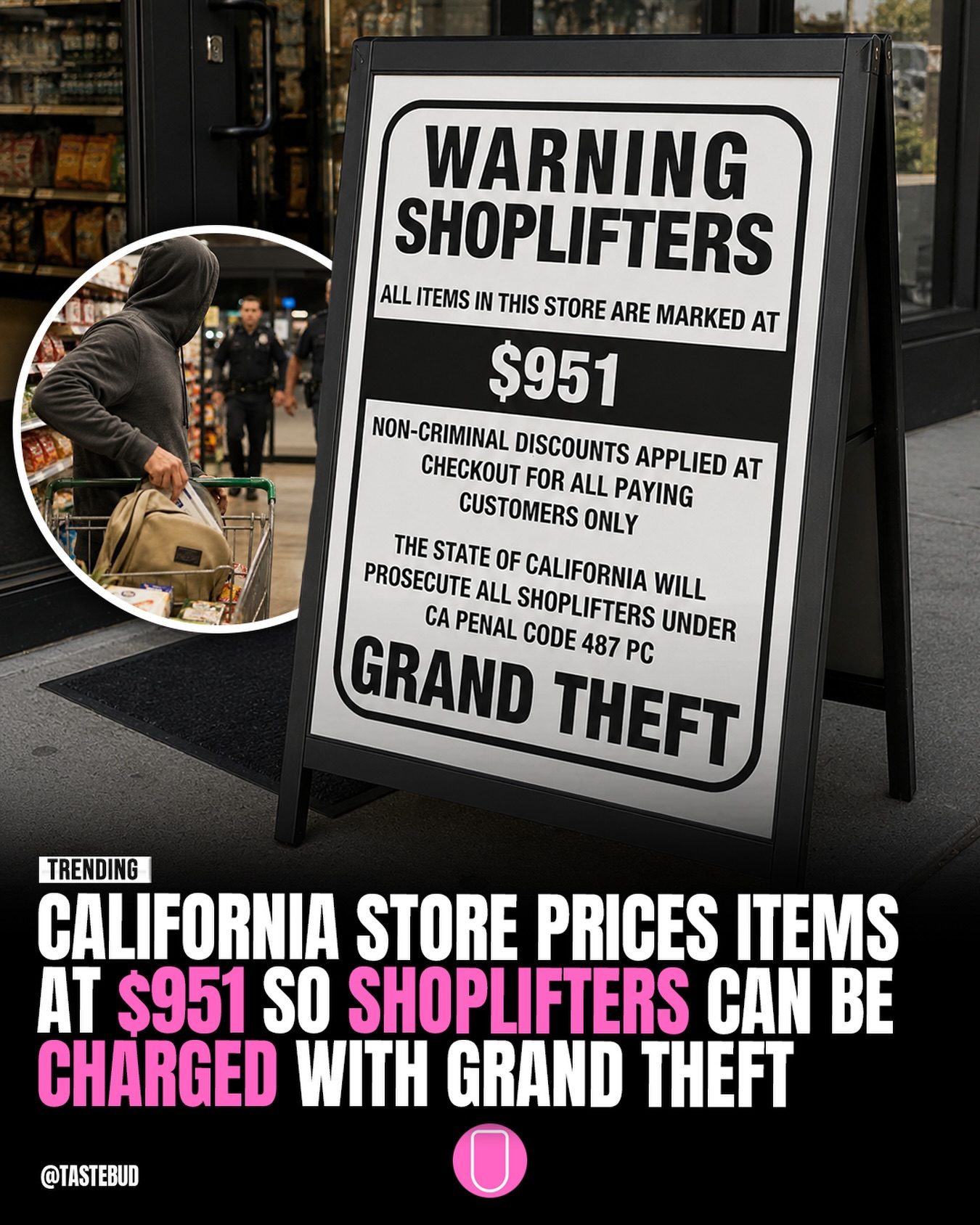
Shoplifting Deterrent: The $951 Store Sign Controversy
A sign in a California store that claims every item costs $951 has sparked a debate about shoplifting deterrents. The store's strategy is designed to push would-be shoplifters into felony territory, as California law considers theft of $950 or more a felony. However, the sign also promises a "non-criminal discount" at checkout for legitimate customers.
Why This Matters
Shoplifting is a significant issue for retailers, costing the industry billions of dollars annually. This signage tactic attempts to address the problem by increasing the perceived consequences for shoplifters. Understanding the legal and practical implications of this approach can provide valuable insights into retail theft prevention strategies.
The $951 Price Tag Strategy
The Legal Angle
The sign's strategy hinges on California Penal Code 487 PC, which defines grand theft. Under this code, theft of property valued at $950 or more can result in felony charges, carrying more severe penalties than misdemeanor petty theft. By marking all items at $951, the store aims to elevate any theft to a felony, acting as a stronger deterrent.
However, legal experts argue that this tactic would not hold up in court. The value of the stolen item is determined by its actual price, not an inflated one intended to manipulate the legal system. Therefore, a shoplifter caught stealing a $10 item marked at $951 would likely face petty theft charges, not grand theft.
The Practical Angle
For customers, the sign promises a "non-criminal discount" at checkout. This means that while the items are technically marked at $951, paying customers would receive a discount, likely bringing the price down to the item's actual value.
The sign serves more as a protest against shoplifting than a viable strategy. It raises awareness about the issue and the associated legal consequences. Moreover, it sends a clear message to potential shoplifters about the store's stance on theft.
Potential Consequences and Public Reaction
For the Store
The sign could potentially create confusion among customers. While the intent is to deter shoplifters, it might also lead to misunderstandings about pricing. Customers might question the store's pricing strategy, potentially driving them to competitors. On the other hand, the sign could also garner public support and sympathy for the store's stance against shoplifting.
For Shoplifters
The primary goal of the sign is to deter potential shoplifters. By increasing the perceived risk and severity of punishment, the store hopes to reduce theft. However, whether this tactic actually discourages shoplifters remains unclear.
For Law Enforcement
Law enforcement agencies may face additional challenges due to this sign. They would need to verify the actual value of stolen items, complicating the process of prosecuting shoplifters. Additionally, the sign could lead to increased reports of theft, straining already limited resources.
Practical Tips for Retailers
While the $951 strategy may not be legally sound, there are other practical steps retailers can take to deter shoplifting:
Invest in Security Systems
Installing visible security cameras and employing security personnel can act as strong deterrents. Shoplifters are less likely to target stores with visible security measures.
Train Staff
Ensure that employees are well-trained in loss prevention techniques. They should be able to recognize and respond to potential shoplifting situations effectively.
Organize Merchandise Strategically
Place high-theft items in well-lit, visible areas. Keep valuable items secure, such as in locked display cases.
Create a Welcoming Environment
A welcoming and well-staffed store can deter shoplifting. Shoplifters often target stores where they can blend in and go unnoticed. Having a friendly and attentive staff can help reduce the risk.
Important Takeaways
The Law Won't Change for Inflated Prices
The legal system is not swayed by inflated prices meant to manipulate theft charges. Shoplifters will be prosecuted based on the actual value of the stolen items, not the marked price.
Clarity is Key
Clear communication about store policies and pricing is crucial. Confusing or misleading signs can create more problems than they solve.
Public Perception Matters
The sign has garnered public attention, sparking conversations about shoplifting and its impact on retail. While this can create awareness, it may not translate into significant deterrence.
Effective Deterrents Require a Multi-Faceted Approach
Combining visible security, well-trained staff, and a welcoming environment creates a more effective deterrent than relying on a single tactic.
Conclusion
While the $951 store sign is an unconventional attempt to deter shoplifting, it highlights the ongoing struggle retailers face. By understanding the legal and practical implications of such tactics, retailers can develop more effective strategies to combat theft. The sign underscores the need for clear communication, visible security, and a welcoming environment to create a comprehensive approach to loss prevention.
Watch the Reel
Questions readers ask
How does the $951 pricing strategy aim to prevent shoplifting?
The $951 pricing strategy is designed to raise the value of all items, making any theft a felony under California law. This strategy aims to deter potential thieves by increasing the perceived severity of the consequences.
What is the significance of the $951 price point in California?
In California, theft of $950 or more is considered a felony. By pricing items at $951, the store ensures that any theft would qualify as a felony, potentially deterring shoplifters who may be deterred by felony charges.
How do legal experts view this pricing strategy?
Legal experts have criticized this strategy, arguing that it may not effectively deter shoplifting and could potentially lead to unfair treatment of legitimate customers. The tactic also raises questions about the ethical implications of using legal loopholes to combat theft.
What is the 'non-criminal discount' mentioned in the store's sign?
The 'non-criminal discount' is a promotion offered to legitimate customers at checkout. This discount is intended to reassure customers that they will not be charged the full $951 price, but instead receive a reduced price for their purchases.
Are there alternatives to the $951 pricing strategy for deterring shoplifting?
There are several alternatives to the $951 pricing strategy, such as improved security measures, employee training, and technology like surveillance cameras. These methods can help reduce theft without relying on controversial pricing tactics.
What are the potential consequences for shoplifters under California Penal Code 487?
California Penal Code 487 defines grand theft, which includes theft of property valued at $950 or more. Shoplifters caught stealing items priced at $951 or more could face felony charges, leading to severe penalties, including imprisonment and fines.
Related deep dives
Similar reads based on topic and creator.


Recent articles
Fresh deep dives from the latest Reels we unpacked.




Comments
Be the first to comment.