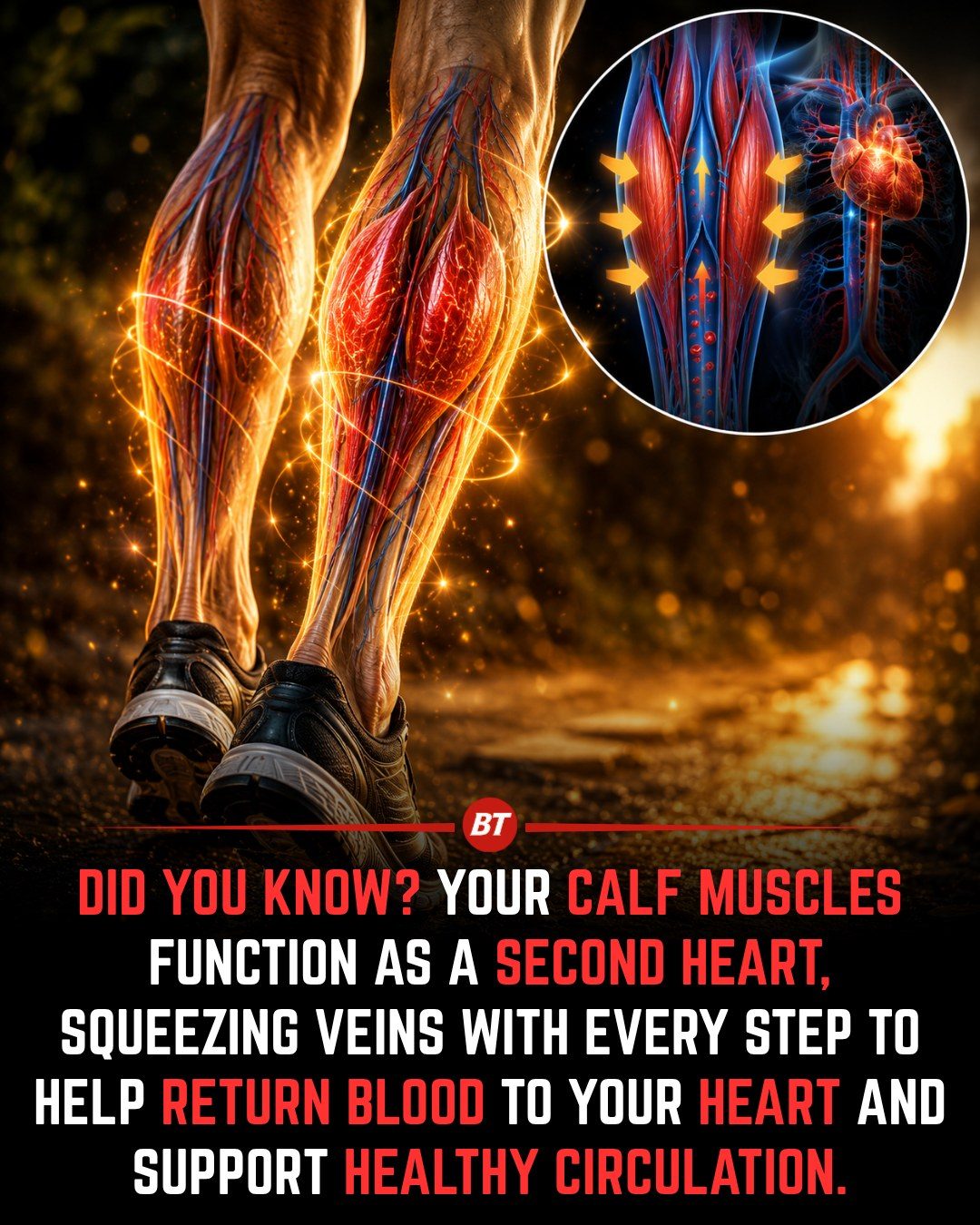
Calf Muscles and Their Role in Circulation
The calf muscles, often referred to as the body’s "second heart," play a crucial role in maintaining healthy blood circulation. Every movement, from walking to climbing stairs, activates these muscles to squeeze the deep veins in your legs, pumping blood back toward the heart. This action is particularly important because, unlike arteries, veins in the legs must move blood upward against gravity.
Why This Matters
Understanding the function of calf muscles as a "second heart" is essential for recognizing the importance of regular movement in maintaining overall health. The calf muscle pump is a natural mechanism that supports venous return, circulation, and cardiovascular efficiency. By keeping your calf muscles active, you can enhance your overall cardiovascular function and reduce the risk of various circulatory issues.
The Calf Muscle Pump: How It Works
The calf muscle pump is a critical component of the circulatory system in the legs. As you walk, climb stairs, or even rise onto your toes, the calf muscles contract and compress the nearby veins. This contraction is essential because it helps push blood upward toward the heart. One-way valves in the veins prevent blood from flowing backward, ensuring efficient circulation.
This natural pumping action is particularly vital for healthy circulation. When you sit or stand still for extended periods, the calf muscle pump becomes less active, allowing blood to pool in the lower legs. Over time, this inactivity can lead to leg swelling, varicose veins, and reduced circulation. Therefore, keeping your calf muscles active is crucial for maintaining healthy blood flow and overall cardiovascular health.
Importance of Regular Activity
Research published in the Journal of Applied Physiology and the European Heart Journal highlights the significance of the calf muscle pump in venous return, circulation, and cardiovascular efficiency. The calf muscle pump plays a critical role in moving blood back to the heart, especially in the lower extremities where gravity poses a challenge.
Regular activity keeps the calf muscle pump working efficiently. Even simple daily movements, such as walking or standing up from your desk every 30–60 minutes, can significantly enhance your circulatory health. Consider incorporating activities like walking, hiking, stair climbing, jump rope, and cycling into your routine. These exercises are excellent ways to strengthen your calf muscles and keep your body’s natural circulation pump working at its best.
Practical Tips for Keeping Your Calf Muscles Active
1. Take Frequent Breaks
If you have a sedentary job or lifestyle, make it a habit to stand up and move around every 30–60 minutes. Performing simple calf raises or taking a short 2–5 minute walk can help keep your calf muscles active and promote healthy circulation.
2. Incorporate Calf-Strengthening Exercises
Exercises like calf raises, jump rope, and cycling can significantly improve the strength and function of your calf muscles. These activities help maintain the efficiency of the calf muscle pump, ensuring that blood is pumped back to the heart effectively.
3. Engage in Regular Physical Activity
Even simple activities like walking or climbing stairs can make a big difference. Aim for at least 30 minutes of moderate-intensity exercise most days of the week. This can include activities like brisk walking, jogging, or hiking, which are all great for keeping your calf muscles active and your circulation healthy.
4. Stay Hydrated
Proper hydration is essential for maintaining healthy circulation. Drinking enough water helps keep your blood volume at an optimal level, making it easier for your calf muscles to pump blood back to the heart.
Important Takeaways
- Calf muscles act as a "second heart," squeezing veins with every step to pump blood back to the heart.
- Regular movement is crucial for keeping the calf muscle pump active and maintaining healthy circulation.
- Inactivity can lead to issues like leg swelling, varicose veins, and reduced circulation.
- Simple exercises like walking, calf raises, and cycling can significantly improve calf muscle function and overall cardiovascular health.
Conclusion
Incorporating regular movement into your daily routine is essential for maintaining the health and efficiency of your calf muscles. By recognizing the importance of the calf muscle pump in supporting healthy circulation, you can take proactive steps to enhance your overall cardiovascular function. Whether through simple exercises or frequent breaks, keeping your calf muscles active is a key component of a healthy lifestyle.
Watch the Reel
Questions readers ask
What are calf muscles often called and why?
Calf muscles are frequently referred to as the body’s 'second heart' because they play a crucial role in pumping blood back to the heart, especially from the legs, with every movement.
How do calf muscles aid in blood circulation?
Calf muscles help in blood circulation by squeezing the deep veins in the legs, which pumps blood back toward the heart, particularly important because veins in the legs must move blood upward against gravity.
What happens to the calf muscles when you walk?
Walking activates the calf muscles, which then push blood back to the heart, improving overall circulation and supporting cardiovascular health.
Why are calf muscles important for leg vein health?
Calf muscles are essential for leg vein health because they act as a natural pump, squeezing the veins and promoting blood flow back to the heart, which helps prevent circulatory issues.
How can I keep my calf muscles active for better health?
Engage in regular activities like walking, climbing stairs, or other forms of exercise that involve leg movements to keep your calf muscles active and promote healthy blood circulation.
Related deep dives
Similar reads based on topic and creator.




Recent articles
Fresh deep dives from the latest Reels we unpacked.




Comments
Be the first to comment.