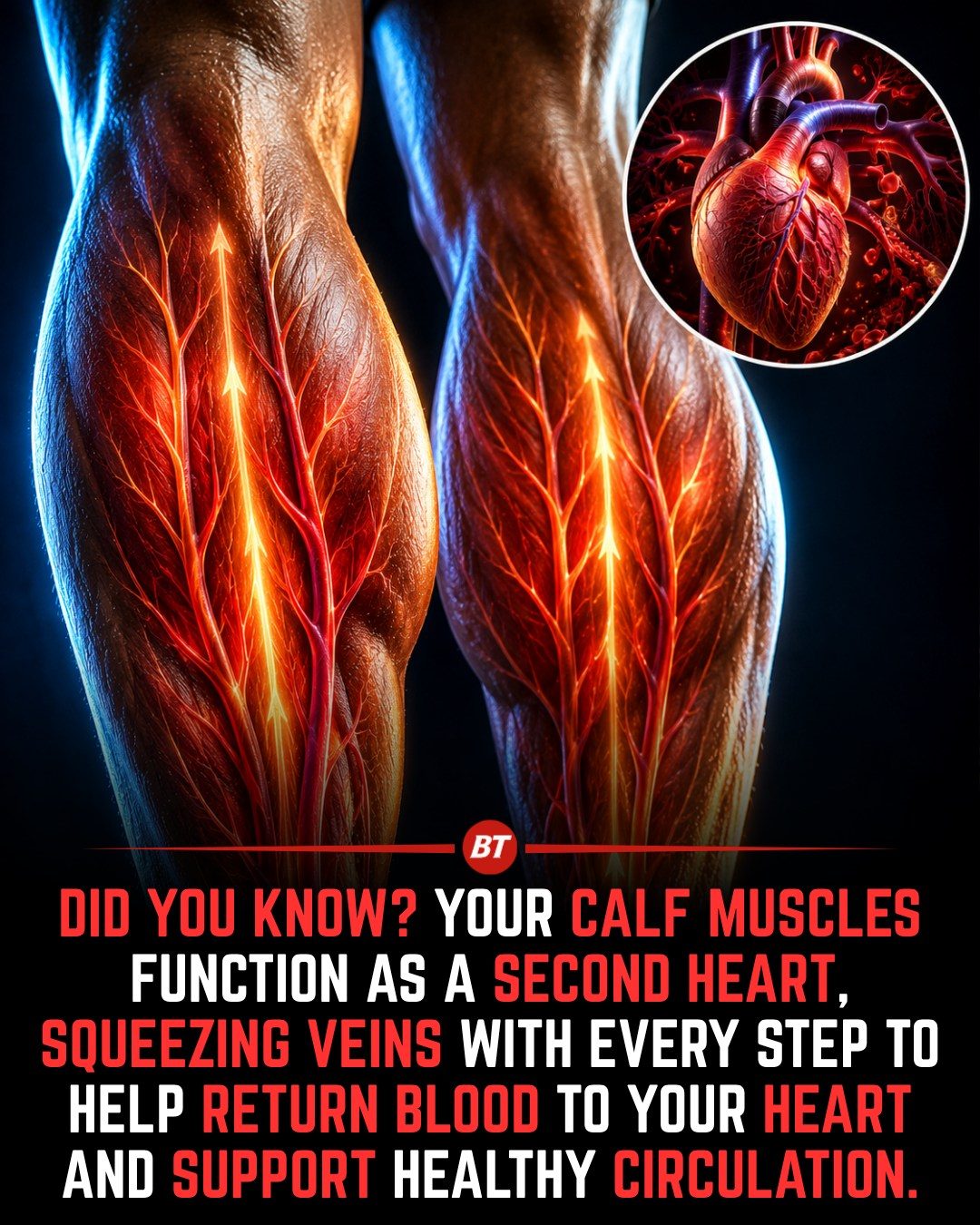
Calf Muscle Function
The calf muscles are not just essential for movement; they play a crucial role in maintaining healthy blood circulation throughout the body. This is often referred to as the "second heart" in health and fitness discussions.
Why this matters
Understanding the function of the calf muscles can help individuals appreciate the importance of regular physical activity and proper muscle health. This knowledge can lead to better lifestyle choices that promote overall health and well-being.
Main discussion
The Calf Muscle Pump
The calf muscles function as a "second heart" by continuously squeezing the deep veins in the legs with every step. This action, known as the calf muscle pump, helps push blood upward against gravity and back toward the heart. Without this natural pumping system, blood would tend to pool in the lower legs due to the effects of gravity. To facilitate this, your veins contain one-way valves that ensure blood flows in the right direction while the calf muscles provide the necessary force to propel it upward.
The Role of Veins and Valves in Circulation
Veins in the legs are equipped with one-way valves that direct blood flow toward the heart. These valves are essential for preventing blood from flowing backward and pooling in the lower extremities. The calf muscles work in tandem with these valves to maintain healthy circulation by squeezing the veins and propelling blood upward.
The Impact of Inactivity on Circulation
Research indicates that regular walking and calf muscle activity are essential for maintaining healthy circulation, venous return, and cardiovascular function. Inactive lifestyles, prolonged sitting, and reduced mobility can weaken the calf muscle pump, leading to various circulatory issues. These problems include swollen ankles, poor circulation, and feelings of heavy or tired legs.
Benefits of Walking
Walking is often touted as one of the best exercises for overall health. Each step not only moves the body forward but also helps propel blood back toward the heart. This is why regular walking is recommended for individuals looking to improve their circulatory health and overall fitness.
Calf Muscle Strength and Cardiovascular Health
Strong calf muscles are vital for running, jumping, and climbing stairs, but their importance extends beyond physical activities. They are a critical part of the circulatory system, aiding in the efficient transport of blood throughout the body. Maintaining strong calf muscles can significantly enhance cardiovascular health and overall well-being.
Practical tips
To keep your "second heart" in top condition, incorporate the following tips into your daily routine:
Incorporate More Walking
Take frequent walking breaks throughout the day, especially if you have a sedentary job or lifestyle. This simple activity can significantly boost your calf muscle function and overall circulation.
Engage in Varied Physical Activities
Activities such as hiking, stair climbing, and calf raises can help strengthen your calf muscles. These exercises not only improve muscle strength but also enhance the efficiency of the calf muscle pump, promoting better blood flow from your legs back to your heart.
Maintain a Healthy Lifestyle
Avoid prolonged sitting and ensure regular physical activity. Even short walks can make a significant difference in maintaining healthy calf muscles and circulation. Engaging in regular exercise and maintaining an active lifestyle can prevent issues like swollen ankles and poor circulation.
Important takeaways
The calf muscles play a vital role in maintaining healthy blood circulation by acting as a "second heart." Regular walking, calf muscle exercises, and an active lifestyle are essential for maintaining this natural pumping system. Understanding and caring for your calf muscles can lead to better overall health and well-being.
Conclusion
The calf muscles are often overlooked, but their role in maintaining healthy blood circulation is undeniable. By understanding their function and taking steps to keep them strong, you can significantly improve your circulatory health and overall fitness.
Watch the Reel
Questions readers ask
How do calf muscles support blood circulation in the body?
Calf muscles support blood circulation by acting as a 'second heart.' They squeeze the deep veins in the legs with every step, pushing blood upward against gravity and toward the heart. This continuous action, known as the calf muscle pump, is crucial for maintaining healthy blood flow.
Why are calf muscles called the 'second heart'?
Calf muscles are referred to as the 'second heart' because of their role in circulating blood. Similar to the heart, they continuously pump blood, helping to move it from the legs back to the core and heart. This function is vital for preventing circulation issues and promoting overall health.
What is the calf muscle pump and why is it important?
The calf muscle pump is the action of the calf muscles squeezing the deep veins in the legs, pushing blood upward. This process is important because it helps counteract the effects of gravity, ensuring that blood flows efficiently back to the heart, reducing the risk of swollen ankles and poor circulation.
How can I improve calf muscle circulation?
To improve calf muscle circulation, engage in regular physical activities that activate the calf muscles, such as walking, running, or specific calf exercises. These activities stimulate the calf muscle pump, enhancing blood flow and promoting better circulation.
What happens if the calf muscles are not used regularly?
If the calf muscles are not used regularly, the calf muscle pump becomes less effective, leading to potential circulation issues. Blood may pool in the legs, causing swollen ankles or varicose veins. Regular physical activity and proper calf muscle health can prevent these problems.
Can exercising the calf muscles help reduce swelling in the ankles?
Yes, exercising the calf muscles can help reduce swelling in the ankles. When the calf muscles are activated, they help push excess fluid and blood from the ankles and legs back toward the heart, thereby reducing swelling.
What are some exercises to improve calf muscle health?
To improve calf muscle health, incorporate exercises that specifically target the calves, such as calf raises, toe stands, and cycling. Regular walking is also beneficial, as it activates the calf muscle pump and promotes better blood flow.
Related deep dives
Similar reads based on topic and creator.




Recent articles
Fresh deep dives from the latest Reels we unpacked.




Comments
Be the first to comment.