Burger King's Baby Whopper Controversy
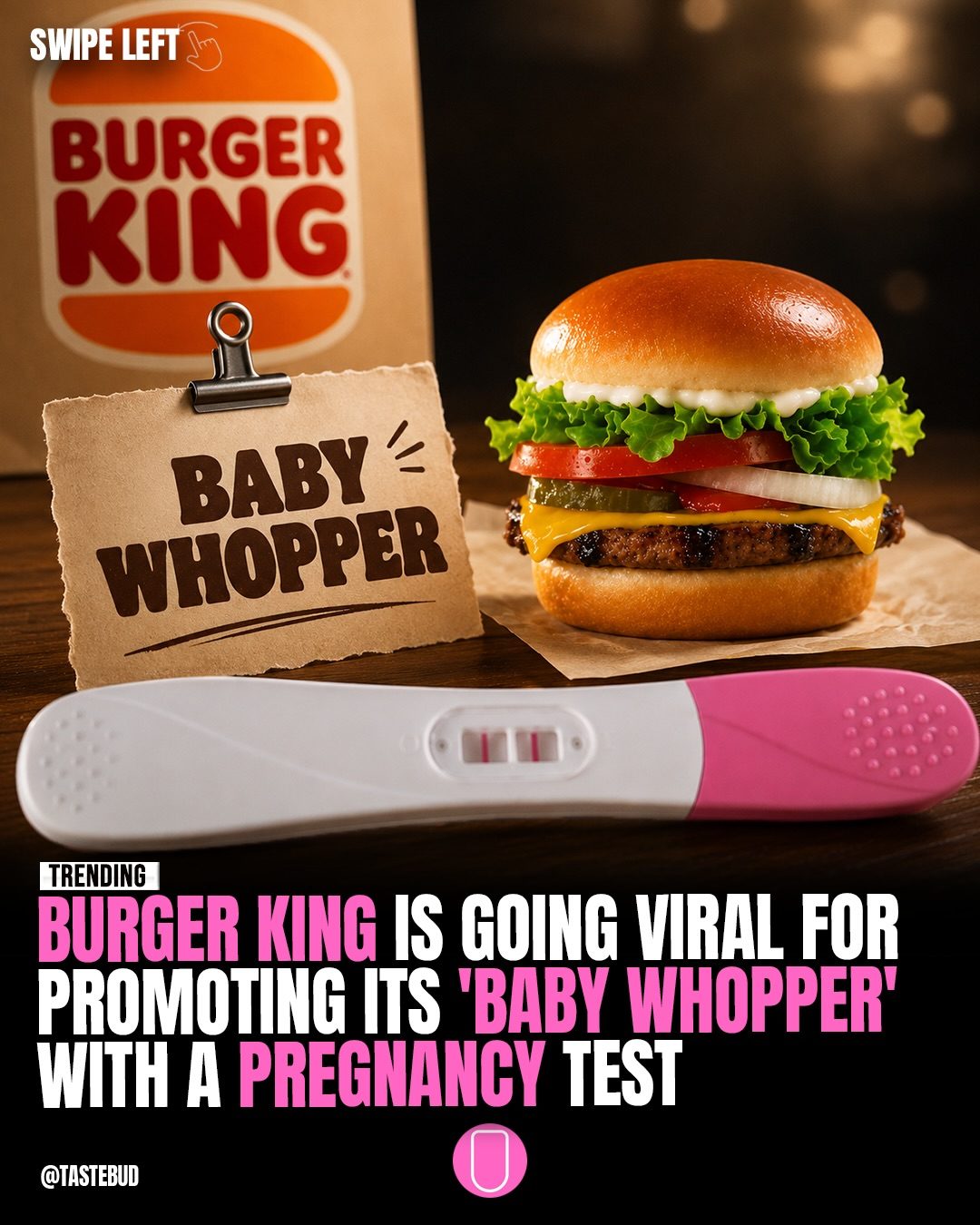
Burger King in the Dominican Republic recently launched a bold marketing campaign that quickly became one of the most talked-about of the year. The campaign, which involved posting images of positive pregnancy tests, was a teaser for a new product, the "Baby Whopper." This smaller version of the classic Whopper is part of a new mini burger lineup, but the promotional strategy sparked a mix of praise and criticism.
Why This Matters
Controversial marketing strategies often gain significant attention, and Burger King's campaign is no exception. The use of pregnancy tests to promote a new burger has ignited conversations about the boundaries of marketing and the effectiveness of such tactics. Understanding the details of this campaign and the reactions it provoked can provide valuable insights into the world of viral marketing and its impact on public perception.
The Campaign Unveiled
The marketing strategy involved a series of images showing positive pregnancy tests with the caption "BABY WHOPPER." The images were posted on Burger King's social media platforms, creating a buzz among followers. The unexpected and seemingly unrelated connection between a pregnancy test and a new burger quickly generated curiosity and speculation, but it also raised eyebrows and sparked debates.
The Baby Whopper
The "Baby Whopper" is a smaller version of the classic Whopper, designed to cater to those who want a smaller portion or a more manageable size. This new addition to the burger lineup is part of a trend towards mini meals, which offer a more accessible and less intimidating dining experience. The campaign successfully introduced the Baby Whopper, but the method of promotion took center stage.
Public Reaction
The campaign received a variety of reactions. Some praised the creativity and boldness of the marketing strategy. The unexpected twist certainly captured attention and encouraged people to engage with the brand. However, others found the campaign to be in poor taste. Critics argued that using pregnancy tests as a marketing tool was insensitive and crossed a line. The controversial nature of the campaign ensured that it would be widely discussed, regardless of the public's opinion on the promotion.
Impact on Burger King's Brand
Burger King’s marketing campaign garnered significant traction, with thousands of likes, comments, and shares. The engagement highlights the power of controversial marketing in generating buzz, but it also raises questions about the ethical implications of such strategies. The campaign has undoubtedly put Burger King in the spotlight, increasing brand awareness and sparking conversations about the new mini burger lineup.
Practical Tips
For those interested in using bold marketing strategies, there are several key takeaways from Burger King’s campaign:
- Be Prepared for Controversy: Controversial marketing can generate a lot of attention, but it also comes with risks. Expect a mix of praise and criticism and be ready to defend your campaign.
- Understand Your Audience: Know who you are targeting and what kind of reactions you can anticipate. Different audiences may react differently to the same content.
- Clear Messaging: Ensure that your message is clear and that viewers understand the context. The surprise element should not leave the audience confused.
- Monitor the Reaction: Keep an eye on the public's response and be prepared to address any negative feedback. Your response to criticism can influence how the public perceives your brand.
Important Takeaways
The Baby Whopper campaign by Burger King in the Dominican Republic highlights several important points about viral marketing:
- Attention-Grabbing Tactics: Using unexpected and controversial elements can generate significant buzz and engagement. However, the risks should be weighed carefully.
- Public Perception: The impact of a marketing campaign is often measured by its ability to generate conversation and engagement. Both positive and negative reactions can contribute to this.
- Brand Positioning: Controversial marketing can either enhance or harm a brand's image, depending on how it is executed and how the public responds.
Conclusion
Burger King's Baby Whopper campaign in the Dominican Republic has shown that bold, controversial marketing strategies can be both successful and divisive. While the campaign effectively introduced the new Baby Whopper, it also sparked a debate about the boundaries of marketing. For brands considering similar tactics, it is essential to understand the potential risks and benefits, and to be prepared for the wide range of reactions that such a campaign can generate.
Watch the Reel
Questions readers ask
Why did Burger King use pregnancy tests in their marketing campaign for the 'Baby Whopper'?
Burger King used images of positive pregnancy tests to create intrigue and generate buzz around their new 'Baby Whopper' mini burger. The campaign aimed to tease the launch of this smaller burger and capture public attention. The choice of pregnancy tests was intended to evoke an emotional response, although it was a controversial choice.
What is the 'Baby Whopper' and what makes it distinctive?
The 'Baby Whopper' is a smaller version of Burger King's classic Whopper burger. It is part of a new lineup of mini burgers, distinct due to its reduced size and its use as a promotional tool in a controversial marketing campaign. The campaign created a high level of curiosity around the concept of 'Baby Whopper'.
What was the public's reaction to Burger King's pregnancy test campaign?
The public reaction to Burger King's pregnancy test campaign was mixed. Some praised the campaign for its boldness and ability to generate conversation, while others criticized it for being in poor taste and potentially insensitive. The campaign successfully sparked widespread debate on the limits of marketing and its influence on public perception, making it a highly controversial promotional strategy.
What was the goal of Burger King's marketing campaign in the Dominican Republic?
The goal of Burger King's marketing campaign in the Dominican Republic was to create a strong, attention-grabbing teaser for the new 'Baby Whopper' mini burger. The campaign aimed to generate buzz and intrigue, ultimately driving interest in the new product and the broader mini burger lineup.
Did Burger King face any backlash for using pregnancy tests in their advertisement?
Yes, Burger King faced significant backlash for using pregnancy tests in their advertisement. Critics argued that the use of pregnancy tests was insensitive and inappropriate for promoting a food product, leading to widespread controversy and debate. The campaign highlighted the fine line between bold marketing and crossing the boundaries of public taste and sensitivity.
Was this a new marketing strategy for Burger King?
While Burger King is known for its creative and sometimes controversial marketing strategies, using pregnancy tests was a unique and surprising choice. The campaign was not a typical approach, and it stands out as one of the most talked-about promotional efforts due to its provocative nature and the resulting public debate.
Related deep dives
Similar reads based on topic and creator.


Recent articles
Fresh deep dives from the latest Reels we unpacked.




Comments
Be the first to comment.