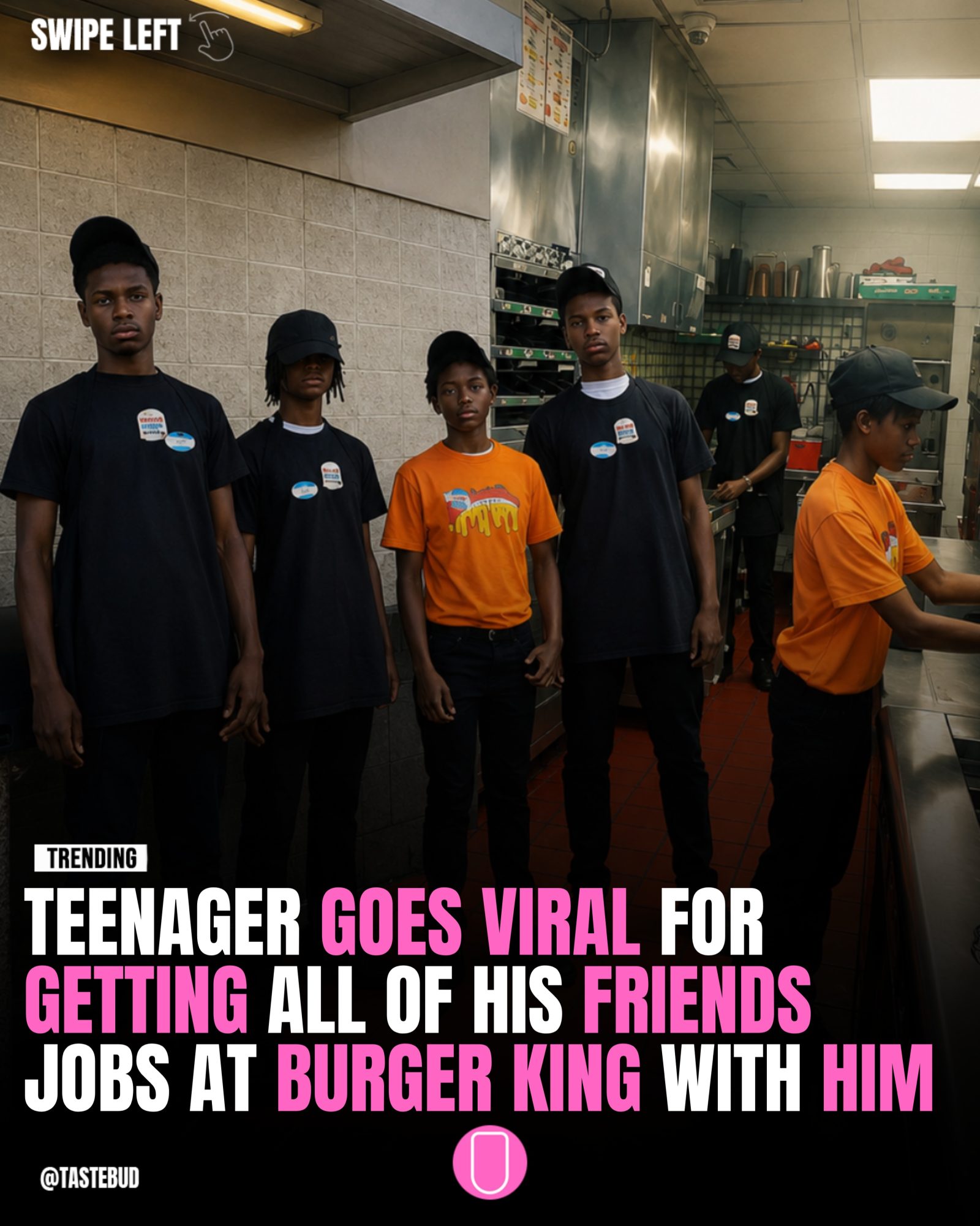
Summer Jobs and Controversy at Burger King
A Burger King manager's well-intentioned efforts to give her son and his friends summer jobs quickly turned into a viral sensation, followed by a controversial outcome. This story underscores the complexities of employment practices, especially when it comes to hiring minors and ensuring compliance with labor laws.
Context / Why this matters
Hiring teens for summer jobs can be a win-win situation. Teenagers gain work experience and earn money, while employers benefit from additional help during peak seasons. However, this scenario highlights the potential pitfalls and legal considerations that come with employing minors. This story is a cautionary tale to be aware of the rules, understand the responsibilities, and watch how intentions can quickly become muddied when social media and misinformation get involved.
Legally Employing Minors
The Fair Labor Standards Act (FLSA) governs the employment of minors in the United States. There are strict regulations regarding the types of jobs minors can perform, the number of hours they can work, and the conditions under which they can be employed. For example, minors under 18 cannot work in jobs deemed hazardous by the Department of Labor. Additionally, there are restrictions on the hours that minors can work, especially during the school year.
The manager in this case, who hired her 15-year-old son and his friends, likely faced scrutiny over compliance with these regulations. The controversy arose from concerns about employing her son and the payment of the minors, raising important questions about how to navigate these legal complexities.
Navigating Age- Restricted Employment Laws
Labor laws vary by state, and it’s crucial for employers to understand the specific regulations in their jurisdiction. For instance, Mississippi, where this incident occurred, has its own set of labor laws. Employers must be aware of the legal working age, the permissible types of work, and the maximum number of hours a minor can work.
Age Requirements:
- In many states, the minimum age for employment is 14, but this can vary.
- Certain jobs may have higher age requirements, such as those involving hazardous equipment or conditions.
Work Hours:
- Minors often have restrictions on the number of hours they can work, especially during school days and evenings.
- Work permits are usually required for minors, which are issued by the local school or labor department.
Permissible Jobs:
- Jobs that are considered safe and suitable for minors, such as cashiering, office work, and clerical tasks, are generally allowed.
- Jobs that are hazardous or deemed unsuitable, such as those involving heavy machinery or exposure to harmful substances, are prohibited.
The Impact of Social Media
The story of the Burger King manager and her son went viral, highlighting the power of social media in amplifying stories, both positive and negative. While the initial post praised the manager's efforts to provide employment for teens, the situation quickly took a turn. The viral nature of the story exacerbated the controversy, leading to widespread debate and criticism.
Social media can be a double-edged sword for employers. On one hand, positive stories can enhance a company’s reputation and attract potential employees. On the other hand, negative attention can lead to scrutiny and criticism, as seen in this case.
Responsibilities and Intentions
The manager's intentions were clear: to provide employment opportunities for her son and his friends while keeping them out of trouble. However, the controversy that ensued raised questions about the balance between good intentions and legal compliance. Employers must ensure that their hiring practices adhere to labor laws and regulations, regardless of their intentions.
Practical Tips
For employers looking to hire minors, here are some practical tips to ensure compliance with labor laws:
-
Understand the Laws: Familiarize yourself with federal, state, and local labor laws regarding the employment of minors.
-
Obtain Work Permits: Ensure that all minors have the necessary work permits before they start working.
-
Age-Appropriate Jobs: Assign jobs that are suitable for the age and capabilities of the minors.
-
Monitor Hours: Keep track of the hours worked by minors to ensure they do not exceed legal limits.
-
Documentation: Maintain thorough documentation of work hours, job assignments, and any permits or approvals obtained.
-
Legal Consultation: Consider consulting with a legal expert to ensure compliance with all relevant laws and regulations.
Important Takeaways
The story of the Burger King manager and her son highlights several important takeaways for employers and the public:
- Legal Compliance: Employers must prioritize compliance with labor laws, especially when hiring minors.
- Social Media Impact: Social media can amplify both positive and negative aspects of a story, making it crucial to be prepared for public scrutiny.
- Clear Intention: Good intentions are important, but they must be balanced with clear understanding and adherence to the law.
- Proper Documentation: Accurate and thorough documentation helps in maintaining transparency and accountability.
Conclusion
The incident at Burger King in Mississippi serves as a reminder of the complexities involved in employing minors. While the intentions of the manager were noble, the controversy underscores the importance of understanding and adhering to labor laws. Employers must navigate the legal landscape carefully, ensuring that their hiring practices are compliant and that they are prepared for the potential impact of social media. By doing so, they can provide meaningful employment opportunities for young people while avoiding legal pitfalls.
Watch the Reel
Questions readers ask
What are the key labor laws to consider when hiring minors for summer jobs?
When hiring minors, it's crucial to understand restrictions on working hours, types of jobs, and required permits. Different states have unique regulations, so employers should check local labor laws. Additionally, employers must ensure they comply with federal laws like the Fair Labor Standards Act, which outlines specific rules for young workers.
How can social media impact the hiring process, as seen in the Burger King manager controversy?
Social media can amplify both positive and negative aspects of the hiring process. In the Burger King case, the manager's post went viral, leading to a mix of support and criticism. Employers should be mindful that social media posts can attract unwelcome attention and misinformation, which can complicate the hiring process and potentially harm the employer's reputation.
What are the benefits of hiring teenagers for summer jobs?
Hiring teenagers can provide employers with a fresh and enthusiastic workforce, often willing to learn and contribute to the business. For teenagers, summer jobs offer a chance to gain practical experience, develop skills, and earn money. However, employers must ensure they follow all relevant labor laws and regulations during the hiring and employment process.
What potential pitfalls should employers be aware of when hiring minors?
Employers must navigate various legal requirements and restrictions. These include limits on working hours, especially during the school year, and prohibitions on certain types of work. Employers must also ensure they have the proper permits and comply with state and federal regulations. Failing to follow these requirements can result in legal consequences and penalties.
Why did the Burger King manager's hiring attempt go viral?
The Burger King manager's hiring attempt went viral due to the public's interest in the story and the manager's decision to share the hiring process on social media. The post garnered attention and sparked debates about the complexities of employing minors, labor laws, and the role of social media in modern employment practices. This case highlights the importance of being aware of the rules and managing social media involvement carefully.
Related deep dives
Similar reads based on topic and creator.


Recent articles
Fresh deep dives from the latest Reels we unpacked.




Comments
Be the first to comment.