Building a Custom Cutting Machine: A Deep Dive into Metalworking and Welding
Metalworking and welding are transformative processes that blend creativity with technical precision. Crafting a custom cutting machine involves a series of intricate steps, each requiring specialized knowledge and skills. This exploration will delve into the key techniques and tools, including the use of an angle grinder, that make this process both fascinating and rewarding.
Context / Why This Matters
Building a custom cutting machine from scratch isn't just a feat of engineering; it's a testament to human ingenuity. This project highlights the importance of specialized engineering and the creative problem-solving that goes into constructing functional tools. Understanding the underlying processes can inspire both novice and experienced metalworkers to take on similar projects.
The Process: Step-by-Step
Preparing the Metal
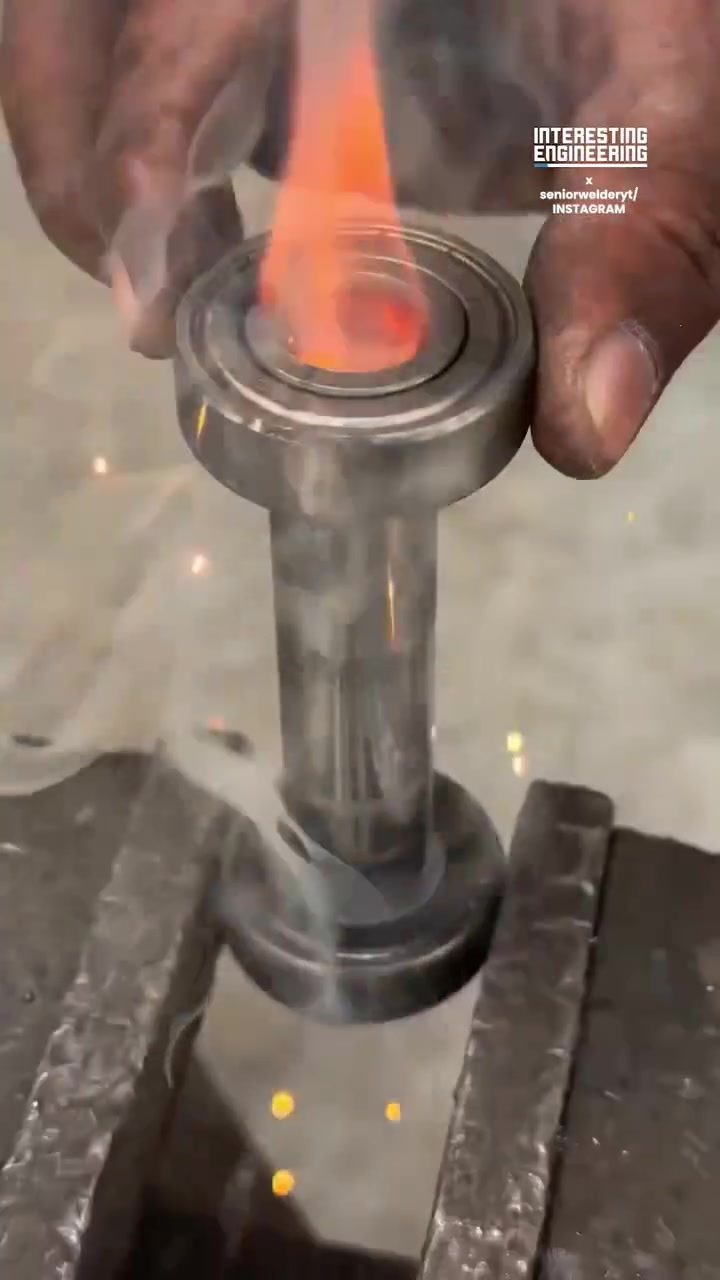
Every metalworking project starts with the right preparation. For a custom cutting machine, precision is crucial. A skilled craftsman begins by selecting the appropriate metal piece. The process involves pressing a bearing into the metal, which requires careful alignment and pressure to ensure a secure fit. The bearing serves as a critical component, enabling the cutting machine to function smoothly.
Welding Techniques
Welding is an art form that requires both patience and skill. A welding torch is used to join the metal pieces, creating strong, durable bonds. The welding process must be executed meticulously to avoid warping or weakening the metal. This step is essential for ensuring the structural integrity of the cutting machine.
Shaping with an Angle Grinder
An angle grinder is versatile and indispensable in metalworking. Once the welding is complete, the angle grinder is used to cut and shape the metal. The tool's high-speed rotation and various attachments make it perfect for intricate cutting and grinding tasks. The sparks that fly during this process are a visual testament to the power and precision of the angle grinder.
Assembly and Testing
After the metal is shaped, the next step is assembly. This involves putting together all the components, from the motor to the cutting blade. Each part must be securely fastened to ensure the machine operates safely and efficiently. The final stage is testing, where the craftsman evaluates the machine's performance, making any necessary adjustments.
Practical Tips for Metalworking and Welding
Safety First
Safety should always be the top priority in metalworking and welding. Wear appropriate protective gear, including gloves, goggles, and ear protection. Ensure your workspace is well-ventilated to avoid inhaling harmful fumes.
Quality Tools
Investing in high-quality tools is crucial. An angle grinder, for example, should be reliable and powerful. Quality tools not only make the job easier but also enhance the precision and durability of your work.
Practice Makes Perfect
Metalworking and welding are skills that improve with practice. Start with smaller projects to build your confidence and skills before tackling more complex tasks. Each project offers a learning opportunity, helping you refine your techniques and approaches.
Understanding the Basics
Before diving into complex projects, it's essential to understand the basics of metalworking and welding. Learn about different types of metals, welding techniques, and tool usage. This foundational knowledge will serve as a solid base for your craft.
Maintenance and Care
Regular maintenance and care of your tools and equipment will extend their lifespan and ensure they perform optimally. Keep your tools clean, store them properly, and perform routine checks to identify any issues early.
Important Takeaways
Building a custom cutting machine is a multifaceted process that combines several metalworking and welding techniques. Precision in preparation, skillful welding, and meticulous shaping with an angle grinder are critical to the project's success. The process not only requires a deep understanding of the materials and tools but also a creative approach to problem-solving.
Conclusion
Metalworking and welding are craftsmanship at their finest. The process of building a custom cutting machine involves a series of intricate steps, each requiring specialized knowledge and skill. By understanding the preparation, welding, and shaping processes, and by following practical tips, anyone can embark on this rewarding journey. Whether you're a novice or an experienced craftsman, these techniques and insights can inspire you to take on exciting new projects.
Watch the Reel
Questions readers ask
What are the essential metalworking tools needed to build a custom cutting machine?
To build a custom cutting machine, you'll need several key metalworking tools. These include an angle grinder for cutting and grinding metal, a welder for joining metal parts, a drill press for precise hole drilling, and a set of clamps and jigs to hold your work in place. A good set of measuring tools, such as a tape measure and calipers, are also essential for ensuring accuracy.
What types of metal are best suited for a DIY metal cutting machine?
When selecting metal for your custom cutting machine, consider materials like mild steel or aluminum. Mild steel is strong and easy to weld, making it ideal for structural components, while aluminum is lighter and more resistant to corrosion, which is great for parts that need to be durable and lightweight.
What safety precautions should be taken when welding during this project?
Safety is paramount when welding. Always wear appropriate protective gear, including a welding helmet, gloves, and protective clothing. Ensure your workspace is well-ventilated to avoid inhaling fumes, and keep a fire extinguisher nearby in case of accidents. Always follow the manufacturer's guidelines for your welding machine to prevent mishaps.
How can I ensure the precision and accuracy of my custom cutting machine?
Precision is crucial when building a custom cutting machine. Use a combination of measuring tools, such as a tape measure, calipers, and a straight edge, to ensure all components are cut and welded accurately. Use jigs and clamps to hold parts in place while welding, and double-check your measurements before making any cuts or welds.
What are some tips for beginners in welding techniques for metal?
For beginners, start with basic welding techniques like MIG welding, which is relatively easy to learn and control. Practice on scrap metal to get a feel for the equipment and process. Watch tutorials, read guides, and consider taking a workshop to improve your skills. Always remember to prioritize safety and take your time to ensure quality welds.
How can I find reliable metal cutting machine plans for my project?
Look for detailed and well-reviewed metal cutting machine plans online. Websites like Instructables, YouTube, and specialized metalworking forums often have user-submitted plans with step-by-step instructions and photos. Check for plans that match your skill level and provide clear, detailed information on each step of the process.
What are some common mistakes to avoid when building a custom cutting machine?
Common mistakes include rushing the process, skipping safety measures, and not double-checking measurements. Take your time to ensure each step is done correctly, and don’t hesitate to seek help or clarification if you encounter difficulties. Ensure you have all the necessary tools and materials before you start, to avoid unnecessary interruptions.
Related deep dives
Similar reads based on topic and creator.

Recent articles
Fresh deep dives from the latest Reels we unpacked.




Comments
Be the first to comment.