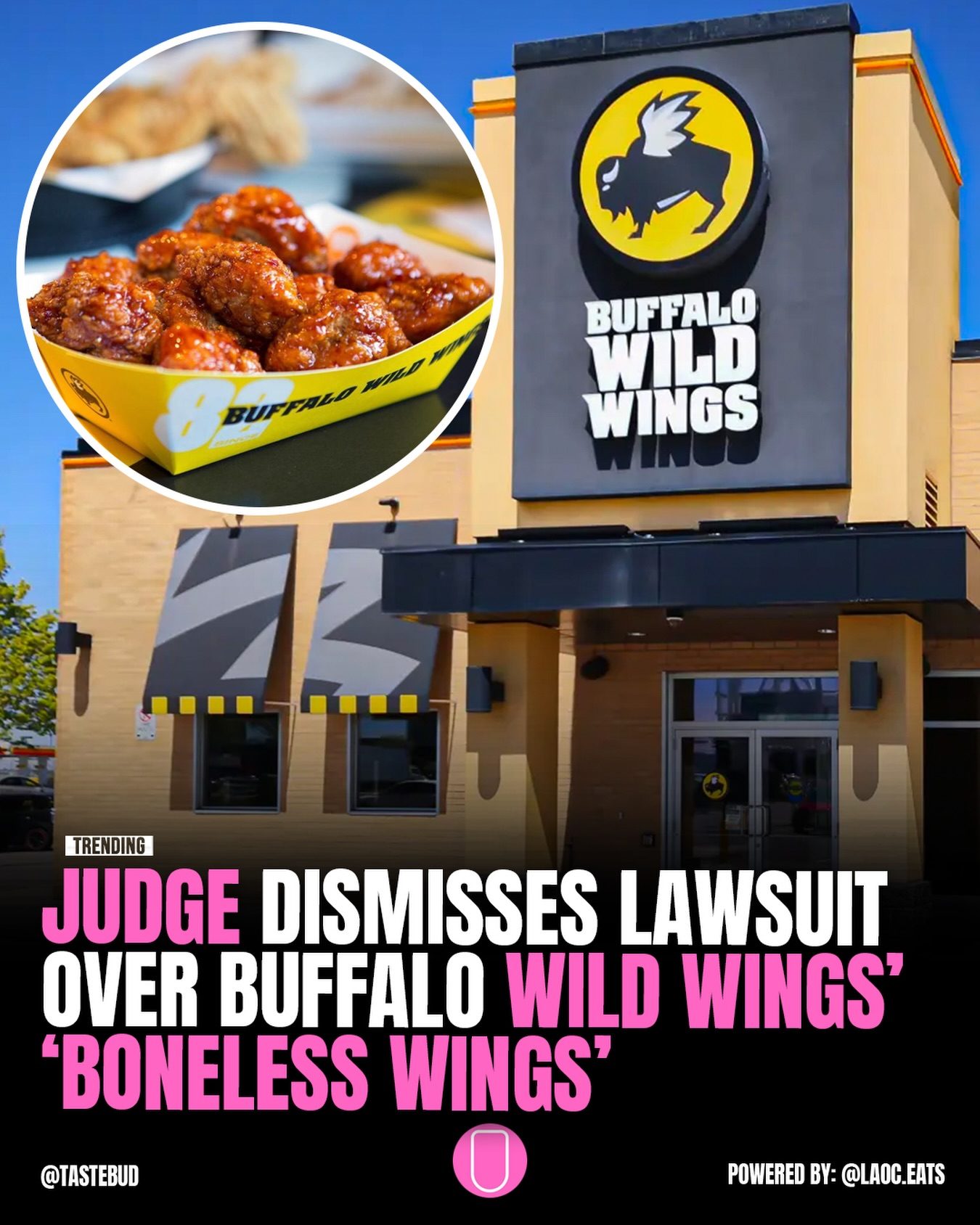
Buffalo Wild Wings: The Boneless Wings Lawsuit Dismissal
Boneless wings have long been a staple at Buffalo Wild Wings. They are a menu item that has sparked some debate, especially when a Chicago man filed a lawsuit against the restaurant. The man argued that the term "boneless wings" was misleading and that the item should be labeled differently, likening it to chicken nuggets. The case has recently been dismissed by a federal judge in Illinois, but the debate still rages on.
Why This Matters
The lawsuit against Buffalo Wild Wings highlights an important question: what exactly defines a "boneless wing," and should restaurants be required to label them more clearly? This case also raises broader implications for the food industry, particularly regarding consumer expectations and the terminology used in marketing food items.
The Case Against Buffalo Wild Wings
The lawsuit centered on whether the term "boneless wings" misleads consumers. The plaintiff, a Chicago resident, argued that the term is misleading because these items are not actually wings, but rather chicken nuggets. He contended that the term "boneless wings" could be interpreted as a deboned chicken wing, leading customers to believe they are being sold a different product than what they are actually consuming.
The Court's Decision
Judge John Tharp ruled that the term "boneless wings" has been widely understood for over two decades. The judge noted that reasonable consumers are not misled by the term and that most people understand it to be a chicken breast product rather than a deboned chicken wing. This decision was based on the premise that consumers generally know what they are ordering when they ask for "boneless wings" at restaurants. The judge noted that most people understand that "boneless wings" are made from chicken breast meat, not deboned wings.
Main Discussion
The Definition of Boneless Wings
What Are Boneless Wings?
Boneless wings are typically made from chicken breast meat that has been breaded and fried. They are not made from actual chicken wings, which are the source of traditional wings. The term "boneless wings" has become widely accepted in the food industry as a way to describe these breaded chicken breast pieces. While they lack the traditional shape of a wing, they still offer a similar flavor profile and are often served with the same sauces and seasonings.
Consumer Perception
Understanding Expectations
Consumer perception is a crucial factor in this debate. The court’s decision suggests that most consumers are aware of what "boneless wings" are and are not being misled by the term. This is supported by the widespread use of the term in the food industry over the past two decades. However, there are still questions about whether the term might still confuse some customers.
Industry Standards
Labeling and Transparency
The lawsuit also raises questions about industry standards for labeling and transparency. While the court ruled in favor of Buffalo Wild Wings, it highlights the need for clear and accurate labeling. For restaurants like Buffalo Wild Wings, it may be beneficial to review their labeling practices to ensure they are transparent and easy to understand.
Practical Tips
While the lawsuit has been dismissed, there are still steps that restaurants can take to ensure they remain transparent and honest with their customers. Here are some practical tips:
Review Menu Descriptions
Ensure that menu descriptions clearly outline what the product includes. For example, a more detailed description of "boneless wings" might include the phrase “breaded chicken breast pieces.” This can help clarify any potential confusion. The more descriptive, the better. However, avoid convoluted language.
Customer Feedback
Pay attention to customer feedback and reviews. If there are recurring questions or concerns about the product, it may be worth addressing these in the menu or through staff training. If customers are confused, they are far more likely to complain.
Staff Training
Training staff properly to answer questions about menu items is essential. As they say, knowledge is power — and staff are the front line of knowledge between the restaurant and the customer. They should be able to explain what "boneless wings" are and how they differ from traditional wings. If the restaurant changes up a recipe, make sure that staff know — otherwise they could mislead customers.
Important Takeaways
The dismissal of the lawsuit against Buffalo Wild Wings highlights several takeaways for both consumers and the restaurant industry:
Consumer Awareness
It is important for consumers to be aware of what the menu items they order are. Understanding what items are includes is a key part of customer satisfaction. If a customer is unsure of an item, they should ask questions. This will ensure a greater customer satisfaction rate.
Industry Clarity
For the food industry, clarity in labeling and menu descriptions is crucial. While the term "boneless wings" has been widely accepted, it may be beneficial for restaurants to review and potentially update their menu descriptions to ensure transparency.
Conclusion
The case against Buffalo Wild Wings over its "boneless wings" has sparked important conversations about consumer expectations and industry standards. Ultimately, the court's decision underscores the importance of clear communication and consumer awareness.
Whether or not a particular restaurant clears up the confusion around a menu item, transparency and clarity in what the item is will always win out. Customers are more likely to feel safe and satisfied in a restaurant that is clear and honest about their offerings.
Watch the Reel
Questions readers ask
What were the grounds for the lawsuit against Buffalo Wild Wings?
The lawsuit against Buffalo Wild Wings was filed by a Chicago man who argued that the term 'boneless wings' was misleading. He believed the item should be labeled differently, possibly as chicken nuggets, to better reflect its true nature.
Why was the lawsuit against Buffalo Wild Wings dismissed?
The lawsuit was dismissed by a federal judge in Illinois. The judge's decision ended the legal battle, but the debate surrounding the term 'boneless wings' and its labeling continues.
What are boneless wings and how do they differ from real wings?
Boneless wings are a popular dish at Buffalo Wild Wings, they consist of chicken that is breaded and shaped to resemble traditional wings, but without the bone. Real wings, on the other hand, are made from a whole chicken wing, including the bone.
What are the potential implications of this lawsuit for the food industry?
The lawsuit highlights issues related to consumer expectations and labeling. The case could influence how restaurants label their menu items and how transparent they are with customers about the contents and nature of their dishes.
What was the plaintiff's argument in the buffalo wild wings lawsuit?
The plaintiff argued that the term 'boneless wings' was misleading and that customers might expect a different product. He believed that labeling the item as boneless wings misrepresented what it actually was.
How did Buffalo Wild Wings respond to the lawsuit?
Buffalo Wild Wings has not publicly released a statement about their response to the lawsuit. However, the fact that the lawsuit was dismissed suggests that the judge did not find the plaintiff's arguments compelling enough to proceed.
What is the current status of Buffalo Wild Wings boneless wings?
Despite the controversy and the lawsuit, boneless wings remain a popular menu item at Buffalo Wild Wings. The restaurant has not changed the name or labeling of the dish following the dismissal of the lawsuit.
Related deep dives
Similar reads based on topic and creator.




Recent articles
Fresh deep dives from the latest Reels we unpacked.




Comments
Be the first to comment.