Buffalo's Perfect Storm
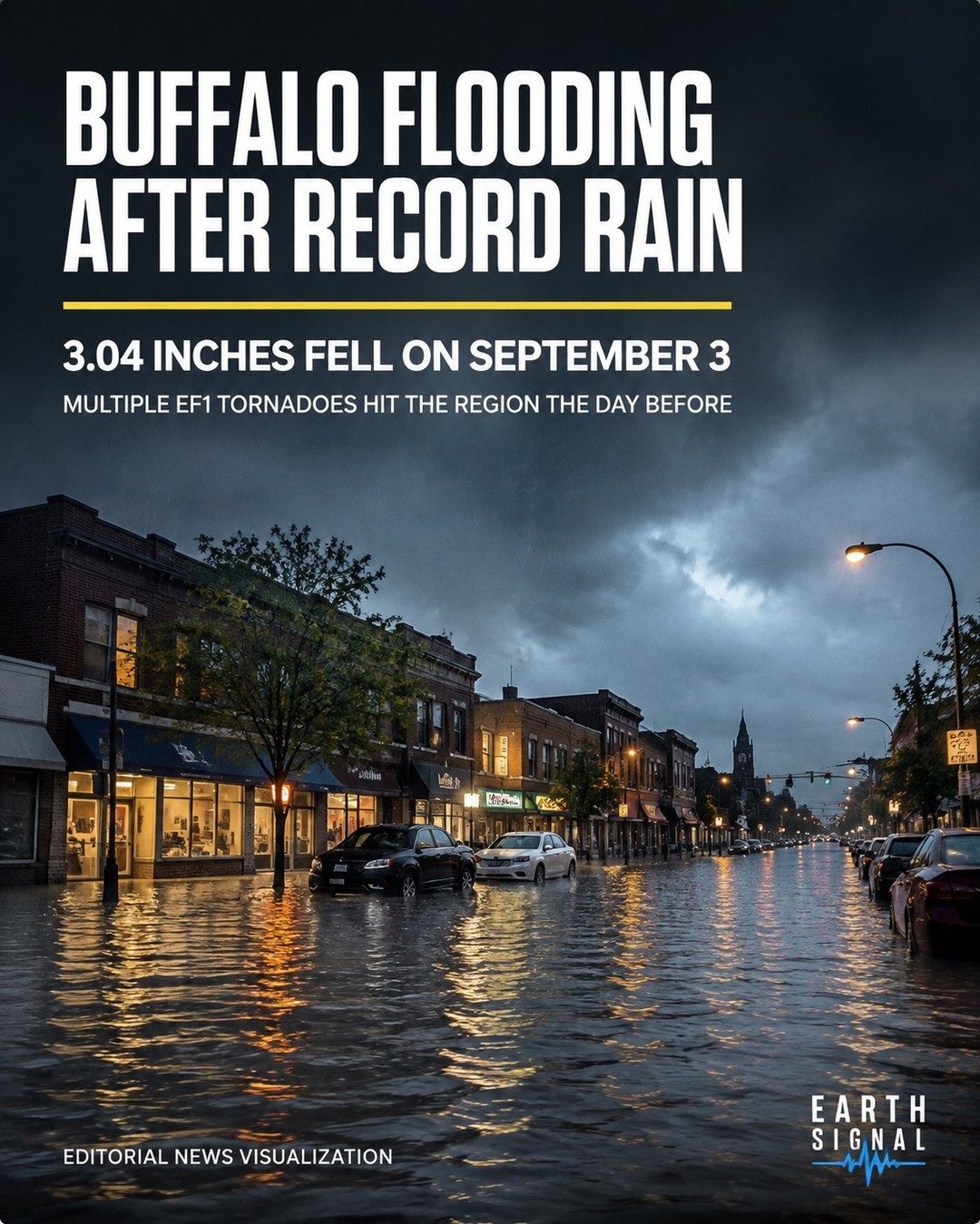
There have been many storm disasters in the United States — but none recently as raw and deadly as those that struck Buffalo. "Multiple EF1 tornadoes hit". The region the day before". Through the tail-end of a powerful windstorm to the record rainfall. Tornadoes had already caused local damage, but it was the debris-strewn waters that caused the most damage to Buffalo, "In the west." Tornadoes and floods do not usually travel together, but this time they did. A single funnel cloud is enough to upend houses and topple trees. Debris and water do not mix well. Debris flows are dangerous and a single downpour can transport it.3.04 inches of rain" fell on September 3 — a slow-moving, moisture-packed system can deliver as much as a year's worth of rain in a single day.
Rapid response and mounting needs
The rain and tornadoes were especially catastrophic because the onslaught was so sudden. September 1, the day of the tornadoes, saw almost no rain; September 3 was the day of the storm. 3.04 inches of rain. One downpour, one day. The effect is often to make it impossible for streets to drain fast enough. The storms that hit were extreme. Hundreds of thousands of Americans may be temporarily displaced as a result. Buffalo's 3.04 inches of rain on September 3 is not unprecedented in the region, but it does highlight the growing need for urban planners to prioritize climate-resilient infrastructure.
The threat of weather-related disasters
: The Buffalo floods have left thousands of people assessing damaged. The economic impact of these storms includes lowered crop yields, compromised infrastructure and a new wave of displaced persons. Buffalo residents are likely to be displaced for months. The threat of weather-related disasters is becoming more prevalent in Buffalo and other U.S. cities. The layout of Buffalo's geography makes it particularly vulnerable. High-density development on floodplains compels planners to engineer solutions that are costly and riskier in an era of intensifying weather disasters. Inundations not only cause large-scale, immediate damage, but can also be a long-term issue, contaminating water supplies and decimating local economies.
The urgent need for climate resilience
Flooding of Buffalo's streets does not happen every year, but the threat that it could is ever-growing. Every city is at risk of flooding, regardless of its location. Planners with the least money to lose will benefit from infrastructure that is resilient. The Reconstruction of streets and buildings in Buffalo will surely be costly — but they will be rebuilt.
Watch the Reel
Related deep dives
Similar reads based on topic and creator.
Recent articles
Fresh deep dives from the latest Reels we unpacked.

Comments
Be the first to comment.