Brussels Sprouts: Powerhouse of Nutrition
Brussels sprouts, those small, green powerhouses, might not look like much, but they pack a serious nutritional punch. These mini cabbages are part of the cruciferous vegetable family, which also includes broccoli, kale, and cabbage, and have been extensively studied for their contributions to long-term health and healthy aging.
Brussels sprouts and Bone Health
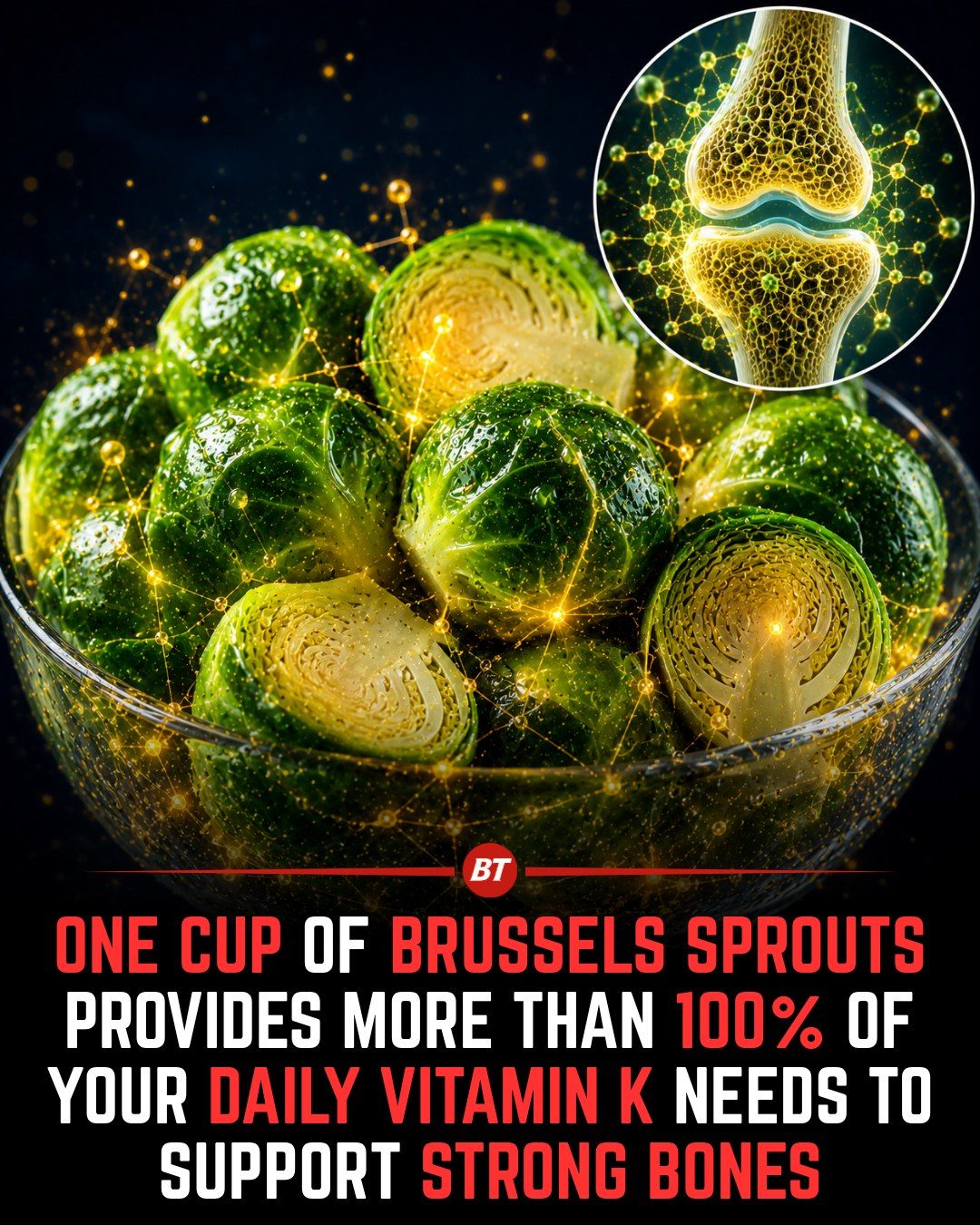
One of the standout nutrients in Brussels sprouts is vitamin K. A single cup of these little greens provides more than 100% of the daily vitamin K needs. This vital nutrient plays a crucial role in supporting strong bones. But how does vitamin K accomplish this?
Vitamin K helps to activate proteins that guide calcium into your bones, preventing it from building up in places like your arteries. If the body doesn't have enough vitamin K, it cannot efficiently use certain bone-building proteins. This is why people who consume adequate amounts of vitamin K often have better bone mineral density and a lower risk of fractures as they age.
Additional Nutritional Benefits
While vitamin K is a significant reason to include Brussels sprouts in your diet, they also offer an array of other nutrients:
Vitamin C and Fiber
Brussels sprouts are also rich in vitamin C, which is essential for immune function and collagen production, and fiber, which supports digestive health. Just one serving delivers a powerful combination of nutrients that support not only your bones but also your immune system and overall well-being.
Glucosinolates
Glucosinolates, plant compounds found in Brussels sprouts, support cellular health and the body's natural detoxification processes. These compounds are believed to have cancer-preventing properties, although more research is needed to fully understand their effects.
Other Nutrients
Additionally, Brussels sprouts provide folate and other essential vitamins and minerals. They are a particularly good source of vitamin A, vitamin B6, and potassium.
Preparing Brussels Sprouts
To get the most out of Brussels sprouts, it is important to prepare them in a way that preserves their nutrients. Roasting them with olive oil and garlic until lightly caramelized or sautéing them with onions and herbs are both excellent methods.
Adding a healthy fat, such as olive oil, can also help improve the absorption of their fat-soluble nutrients. Whether you prefer them roasted, sautéed, or even steamed, Brussels sprouts offer a delicious and nutritious addition to any meal.
Practical Tips
-
Roast Them: Toss Brussels sprouts in olive oil, garlic, and your choice of seasoning, then roast in the oven at 400°F (200°C) until lightly caramelized.
-
Sauté Them: Heat a pan with a bit of olive oil, add sliced onions and herbs, then toss in the Brussels sprouts. Cook until tender and slightly browned.
-
Steam Them: Steam Brussels sprouts for about 5-7 minutes until they are tender. Season with salt, pepper, and a squeeze of lemon for added flavor.
-
Add to Salads: Thinly slice or shred Brussels sprouts and add them to salads for a crunchy, nutritious boost.
-
Blend Them: For a unique twist, blend Brussels sprouts into smoothies or soups. Their slightly bitter flavor can pair well with sweeter fruits and spices.
Important Takeaways
Brussels sprouts are more than just a side dish—they are a nutrient-dense powerhouse. Their high vitamin K content supports bone health, while their vitamin C, fiber, and glucosinolates offer a range of additional benefits. Incorporating Brussels sprouts into your diet can significantly enhance your overall nutritional intake and contribute to long-term health.
Conclusion
Brussels sprouts are a versatile and nutritious vegetable that deserves a place in your diet. From their bone-supporting vitamin K to their array of other essential nutrients, they offer a host of health benefits. Try incorporating Brussels sprouts into your meals to boost your nutritional intake and enjoy their unique flavor and texture.
Watch the Reel
Questions readers ask
What makes Brussels sprouts beneficial for bone health?
Brussels sprouts are rich in vitamin K, a nutrient that activates proteins responsible for guiding calcium into your bones, which helps maintain bone strength and prevents calcium buildup in arteries and other tissues. A single cup of Brussels sprouts provides more than the recommended daily intake of vitamin K, making them an excellent choice for supporting bone health.
What other nutrients do Brussels sprouts offer besides vitamin K?
Brussels sprouts are packed with a variety of essential vitamins and minerals. In addition to vitamin K, they provide vitamin C, vitamin A, folate, and minerals like manganese and potassium. They also contain antioxidants and fiber, contributing to overall health and well-being.
How much vitamin K is in a serving of Brussels sprouts?
A single cup of cooked Brussels sprouts contains over 244% of the daily recommended intake of vitamin K. This makes Brussels sprouts an excellent source of this vital nutrient, which is essential for bone health and blood clotting.
Can you get too much vitamin K from eating Brussels sprouts?
It is highly unlikely to consume too much vitamin K from Brussels sprouts alone, as it is not a fat-soluble vitamin. The body regulates vitamin K levels efficiently, and excess amounts are typically excreted. However, if you are on blood-thinning medications, it is essential to consult with a healthcare provider regarding your vitamin K intake, as it may interact with these medications.
What are the best ways to incorporate Brussels sprouts into a daily diet?
There are numerous ways to include Brussels sprouts in your daily meals. They can be roasted, sautéed, steamed, or even eaten raw in salads. To retain their nutritional value, it is best to cook them lightly. Pair them with other vitamin K-rich foods, such as leafy greens, to boost your daily intake effectively.
Are Brussels sprouts the only cruciferous vegetable with vitamin K?
While Brussels sprouts are a particularly rich source of vitamin K, they are not the only cruciferous vegetable that contains this essential nutrient. Other cruciferous vegetables, such as kale, broccoli, and cabbage, also provide substantial amounts of vitamin K, along with other beneficial nutrients and compounds.
How does vitamin K support bone health?
Vitamin K supports bone health by activating proteins that help bind calcium to the bone matrix, making bones stronger and less prone to fractures. This process is crucial for maintaining bone density and preventing conditions like osteoporosis. Adequate vitamin K intake ensures that calcium is utilized effectively for bone health rather than accumulating in arteries and other tissues.
Related deep dives
Similar reads based on topic and creator.




Recent articles
Fresh deep dives from the latest Reels we unpacked.




Comments
Be the first to comment.