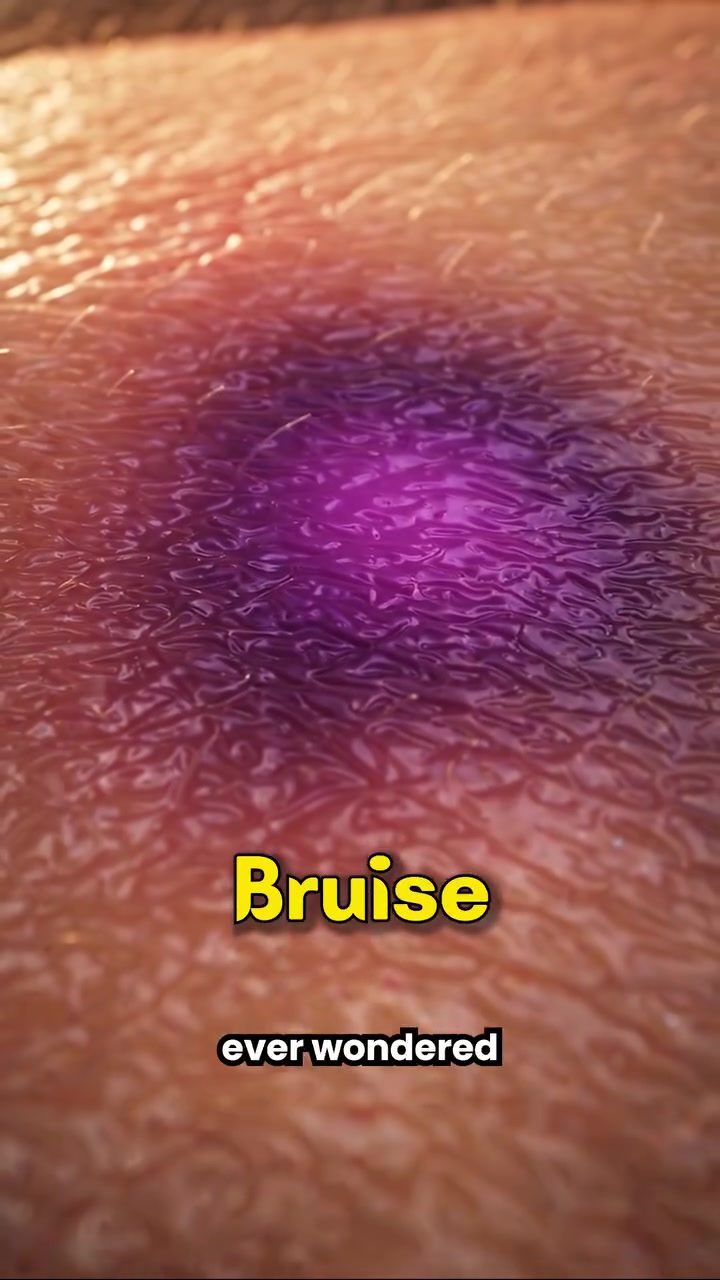
Bruises: A Visual Guide to Your Body's Healing Process
Bruises are a common occurrence, often resulting from minor injuries or impacts. While many people are familiar with the initial purple or blue discoloration, few understand the process behind the color changes that follow. This phenomenon is not just a cosmetic issue; it's a visible sign of your body's repair mechanisms at work.
Bruises form when an impact damages tiny blood vessels beneath the skin, causing blood to leak into the surrounding tissue. This initial leak creates the familiar red, blue, or purple mark. But the story doesn't end there. Your immune system quickly engages in a complex cleanup and repair process.
Why Bruises Change Color
Bruises evolve through a series of color changes as your body works to clean up the damaged area. Here's a breakdown of what happens:
The Initial Impact
When an impact occurs, it damages the tiny blood vessels beneath the skin. These vessels, known as capillaries, are crucial for delivering oxygen and nutrients to the skin. As they rupture, blood leaks out and pools in the surrounding tissue, creating the initial red, blue, or purple bruise.
The Body's Response
Your immune system responds immediately to the injury. Specialized cells begin breaking down the trapped blood, focusing particularly on hemoglobin. Hemoglobin is the protein in red blood cells that carries oxygen. As it breaks down, it transforms into different pigments, leading to the gradual color changes.
Color Transformation
- Purple to Blue: Immediately after the injury, the bruise appears purple or blue due to the presence of hemoglobin.
- Green: As the body breaks down the hemoglobin, it forms biliverdin, a green pigment. This is why the bruise turns green.
- Yellow or Brown: Biliverdin further breaks down into bilirubin, a yellow pigment. This is often seen as the bruise turns yellow or brown.
- Disappearance: Eventually, the broken-down blood is absorbed, the tiny blood vessels heal, and the bruise slowly disappears.
Each color change is a visual cue that your body is repairing the damage, cleaning up the broken-down blood, and rebuilding itself. This process typically takes several days to a few weeks, depending on the severity of the injury.
The Role of the Immune System
Your immune system plays a crucial role in the bruise-healing process. Here’s a closer look at the key steps:
Phagocytosis
Phagocytosis is the process by which immune cells, such as macrophages and neutrophils, engulf and digest the damaged blood cells and debris. This process is essential for clearing out the damaged tissue and preventing infection.
Inflammation
Inflammation is your body’s way of protecting itself from further damage. The initial redness and swelling around the bruise are signs of inflammation. Specialized cells, including lymphocytes and monocytes, are sent to the injury site to fight off any potential infection and initiate the repair process.
Tissue Repair
As the immune system clears out the damaged tissue, your body begins the process of tissue repair. New blood vessels form to replace the damaged ones, and the skin gradually regains its normal structure and function.
How to Care for Bruises
While bruises are a natural part of the body's healing process, there are several steps you can take to care for them and promote faster healing:
Rest and Compression
Rest the injured area to prevent further damage. Applying gentle compression can help reduce swelling and promote blood flow to the area, which aids in the healing process.
Ice and Elevation
Applying an ice pack to the bruise for the first 48 hours can help reduce swelling and numb the pain. Elevating the injured area above the level of your heart can also help reduce swelling by improving blood flow.
Avoid Heat and Massage
Avoid applying heat to the bruise, as this can increase swelling and slow down the healing process. Similarly, massaging the area can cause more damage and should be avoided in the early stages of healing.
Over-the-Counter Pain Relievers
Over-the-counter pain relievers, such as ibuprofen or acetaminophen, can help manage the pain and reduce inflammation. However, always consult a healthcare provider before taking any medication.
Important Takeaways
Understanding the color changes in bruises provides valuable insights into the body's healing process. Here are the key takeaways:
- Bruises form when tiny blood vessels beneath the skin are damaged, causing blood to leak into the surrounding tissue.
- The initial purple or blue color is due to the presence of hemoglobin in the leaked blood.
- As the body breaks down the hemoglobin, the bruise changes color, moving from purple to green, then yellow or brown.
- Each color change is a sign that your immune system is actively repairing the damage.
- Caring for bruises involves rest, compression, ice, and elevation in the early stages, followed by gentle care as the bruise heals.
Conclusion
Bruises are more than just cosmetic issues; they are visual indicators of your body's intricate healing process. By understanding the science behind bruise color changes, you gain a deeper appreciation for the complex mechanisms at work in your immune system. The next time you notice a bruise, remember that each color change is a testament to your body’s ability to repair and rebuild itself.
Watch the Reel
Questions readers ask
What causes the initial purple or blue color of a bruise?
The initial purple or blue color of a bruise is due to the leaking of blood from damaged capillaries into the surrounding tissue. Hemoglobin in the blood contains iron, which gives it a reddish color, but when it's trapped under the skin it appears more blue or purple due to how light is absorbed and reflected by the skin.
Why do bruises turn green over time?
As the body begins to break down the hemoglobin in the bruised area, it is converted into bilirubin, a yellowish-green substance. This is why bruises often turn green as they heal. The green color is a sign that your body is actively working to repair the damaged tissue.
What does a yellow or brown bruise indicate?
A yellow or brown bruise indicates that the healing process is nearing completion. At this stage, the bilirubin is further broken down into other compounds that are reabsorbed by the body. This is one of the final stages before the bruise disappears entirely.
How long does the typical bruise color progression take?
The timeline for bruise color progression can vary depending on the size and severity of the bruise, as well as individual healing rates. Generally, it takes about 2-4 weeks for a bruise to fully heal and disappear. The color changes typically occur in this order: red/purple, blue, green, yellow/brown.
Why do some bruises not go through the full color progression?
Some bruises may not go through the full color progression if the injury is minor or if the body is able to reabsorb the blood quickly. Additionally, the location of the bruise can affect its visibility and the appearance of color changes, such as bruises on areas with more fat or muscle tissue.
Can the color of a bruise indicate the severity of the injury?
The color of a bruise can sometimes give clues about the age and severity of the injury, but it is not a reliable indicator on its own. A very dark or painful bruise may indicate a more severe injury that requires medical attention.
What factors influence how quickly a bruise heals?
Several factors can influence how quickly a bruise heals, including age, overall health, and the location and size of the bruise. Younger individuals and those with healthier immune systems tend to heal more quickly. Additionally, bruises on areas with more fat or muscle tissue may take longer to heal.
Related deep dives
Similar reads based on topic and creator.

Recent articles
Fresh deep dives from the latest Reels we unpacked.




Comments
Be the first to comment.