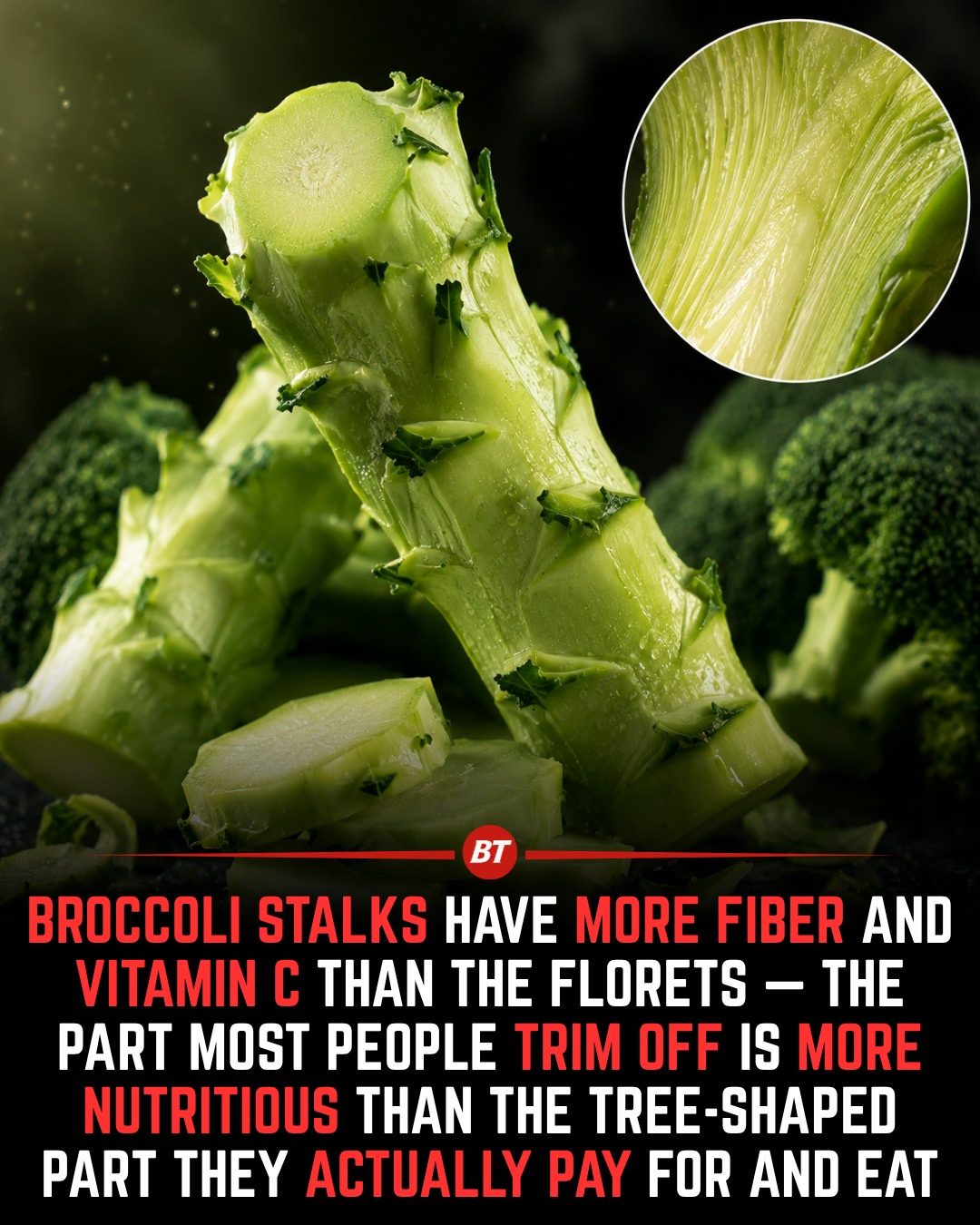
Broccoli Stalks: The Hidden Nutritional Powerhouse
Broccoli stalks, the often-discarded part of the vegetable, are surprisingly more nutritious than the florets. Many people buy broccoli for its florets and toss the thick stalks into the trash, unaware of the nutritional benefits they contain. However, these stalks are far from kitchen waste; they offer a wealth of nutrients that support digestion, immunity, and overall health.
Context: Why Broccoli Stalks Matter
Broccoli is a widely consumed vegetable, celebrated for its nutritional richness. However, the stalks, which often end up in the trash, are packed with essential nutrients. Understanding the nutritional value of these stalks can help you maximize the benefits of every broccoli you buy while reducing food waste.
Broccoli Stalks vs. Florets: Nutritional Comparison
Broccoli stalks contain more fiber and vitamin C and potassium, which are essential for digestive health. The stalks are rich in insoluble fiber, which promotes regular bowel movements and feeds beneficial gut bacteria. They also contain prebiotic compounds that support overall health.
Moreover, the stalks hold many of the same sulfur-containing compounds found in the florets, including precursors to sulforaphane. Sulforaphane is one of broccoli's most studied plant compounds, known for its anti-inflammatory and anti-cancer properties. The firm texture of the stalks comes from their higher fiber content, contributing to digestive health and satiety.
While the florets may contain slightly higher concentrations of certain phytonutrients, the nutritional profile of the stalks is unique and valuable. By incorporating the stalks into your diet, you can get more nutrition from every broccoli you buy.
Broccoli Stalks Nutrition Benefits
The nutritional benefits of broccoli stalks are numerous and diverse. Here’s a deeper dive into what makes them such a valuable addition to your diet.
Rich in Insoluble Fiber
Broccoli stalks are a rich source of insoluble fiber, which is essential for digestive health. Insoluble fiber helps promote regular bowel movements and feeds beneficial gut bacteria, contributing to a healthier digestive system.
High in Vitamin C
Vitamin C is a powerful antioxidant that supports the immune system and helps the body absorb iron. Broccoli stalks contain a significant amount of vitamin C, making them an excellent addition to a balanced diet.
Potassium Content
Potassium is crucial for maintaining healthy blood pressure and supporting heart health. Broccoli stalks are a good source of potassium, making them a valuable addition to any diet focused on cardiovascular health.
Prebiotic Compounds
Prebiotic compounds in broccoli stalks support a healthy gut microbiome. These compounds feed beneficial gut bacteria, promoting overall health and well-being.
Sulforaphane Precursors
Sulforaphane is a potent antioxidant and anti-inflammatory compound found in broccoli. Broccoli stalks contain precursors to sulforaphane, which the body can convert into this beneficial compound. Sulforaphane has been studied for its potential anti-cancer properties and its role in supporting overall health.
Practical Tips for Incorporating Broccoli Stalks into Your Diet
Incorporating broccoli stalks into your diet is easy with a few simple techniques. Here are some practical tips to help you make the most of this often- overlooked part of the vegetable.
Preparation Techniques
- Peeling and Slicing: Trim off the tough outer skin with a vegetable peeler, then slice the stalk into coins. This makes the stalks easier to eat and more palatable.
- Shredding for Salads: Shred the stalks into thin strips and add them to salads. This adds a nice crunch and extra nutrition to your greens.
- Blending into Soups: Blend the stalks into soups for a creamy texture and added nutrient boost. This is a great way to incorporate them into meals without altering the flavor.
- Roasting: Roast the stalks alongside the florets for a delicious and nutritious side dish. Toss them with a bit of oil, salt, and your favorite seasonings, then roast in the oven until tender.
Recipe Ideas
- Broccoli Stir-Fry: Slice the stalks and florets into bite-sized pieces and stir-fry them with your favorite vegetables and protein. Season with soy sauce, garlic, and ginger for a flavorful dish.
- Broccoli Salad: Shred the stalks and mix them with diced florets, cherry tomatoes, and shredded carrots. Toss with a creamy dressing for a refreshing salad.
- Broccoli Soup: Blend the stalks and florets into a creamy soup. Add vegetables like onions, carrots, and potatoes for a hearty and nutritious meal.
- Broccoli Chips: Thinly slice the stalks and bake them in the oven with a bit of oil and seasoning for a crunchy, low-calorie snack.
Important Takeaways
Broccoli stalks are a hidden nutritional powerhouse, offering a wealth of benefits that many people miss out on. By incorporating these stalks into your diet, you can enhance your nutrient intake, support digestive health, and reduce food waste. Whether you peel and slice them for salads, blend them into soups, or roast them as a side dish, there are numerous ways to enjoy the nutritional benefits of broccoli stalks.
Conclusion
Next time you buy broccoli, think of the stalks as a second vegetable hidden inside the first. Instead of discarding them, trim off the tough outer skin and incorporate them into your meals. You'll get more nutrition from every broccoli you buy while reducing food waste. By embracing the nutritional power of broccoli stalks, you can enhance your diet and support your overall health.
Watch the Reel
Questions readers ask
Are broccoli stalks safe to eat?
Yes, broccoli stalks are not only safe to eat but also highly nutritious. They contain more fiber, vitamin C, and potassium than the florets, making them a healthy addition to your meals.
How do the nutrients in broccoli stalks compare to those in the florets?
Broccoli stalks are richer in fiber, vitamin C, and potassium. While the florets are often preferred for their texture, the stalks offer a more concentrated source of these essential nutrients.
What are some ways to incorporate broccoli stalks into my diet?
Broccoli stalks can be enjoyed in various ways. You can slice them into salads, steam or roast them as a side dish, or even blend them into soups and smoothies for added nutrients.
Can consuming broccoli stalks help reduce food waste?
Absolutely. By incorporating broccoli stalks into your meals, you can significantly reduce food waste, as these stalks are often discarded. This not only benefits your health but also helps the environment.
What are the potential health benefits of eating broccoli stalks?
Consuming broccoli stalks can aid in digestion due to their high fiber content and support immunity because of their vitamin C. Additionally, the potassium in these stalks can help regulate blood pressure and support heart health.
How can I prepare broccoli stalks for cooking?
To prepare broccoli stalks, first peel off the tough outer layer. Then, slice them into thin rounds or strips. You can then steam, roast, or stir-fry them, or add them to soups and stews for a nutritious boost.
Related deep dives
Similar reads based on topic and creator.




Recent articles
Fresh deep dives from the latest Reels we unpacked.




Comments
Be the first to comment.