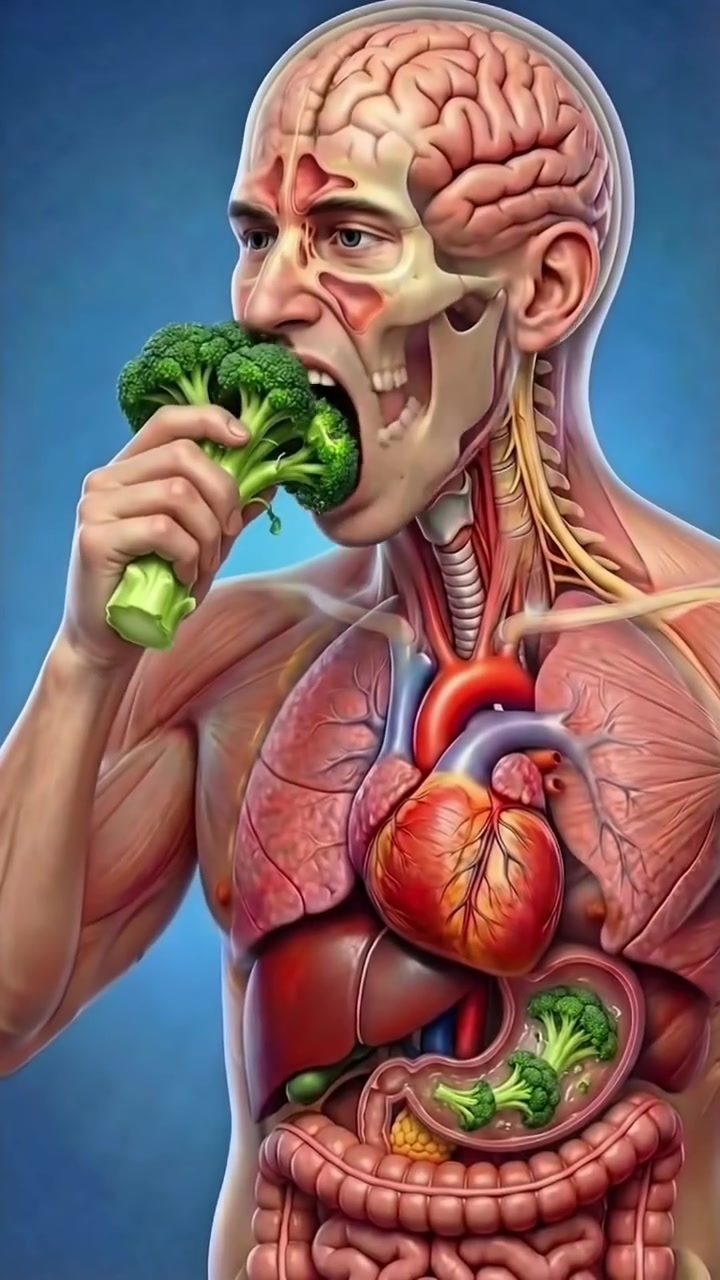
Human Anatomy and Nutrition
The human body is an intricate system that works tirelessly to absorb and process nutrients from the food we eat. As you take a bite of fresh broccoli, it begins a remarkable journey. Understanding this process can provide valuable insights into how our bodies function and why certain foods are beneficial for specific organs.
Context
Navigating the intricate pathways of digestion and nutrient absorption can seem daunting. However, appreciating the journey of broccoli through the body can provide a clearer picture of how nutrients are distributed and utilized. The process involves multiple organs, each playing a crucial role in maintaining overall health.
From Mouth to Stomach
The digestive journey starts in the mouth, where food is broken down into smaller pieces. As you take a bite of broccoli, enzymes in the saliva begin the process of breaking down carbohydrates. The bite then travels down the esophagus to the stomach, where digestive juices, including hydrochloric acid and enzymes, further break down the food. This is the first phase of nutrient absorption, where complex molecules are broken down into simpler ones that the body can use.
The Role of the Stomach
The stomach is a pivotal organ in digestion. Here, the food is churned and mixed with digestive juices, which contain enzymes like pepsin that break down proteins. This process converts the broccoli into a semi-liquid mixture called chyme, which then moves into the small intestine. The stomach also plays a key role in regulating the speed at which food enters the intestines, ensuring that it is adequately broken down.
Main discussion
Journey Through the Body
Eyes and Vision
From the stomach, nutrients from broccoli, including lutein, reach the eyes. Lutein is an antioxidant that helps protect eye tissues from oxidative stress, which can damage cells and lead to vision problems. By supporting vision, lutein plays a critical role in maintaining eye health.
Bones and Bone Health
Next, nutrients like vitamin K travel to the bones. Vitamin K is essential for bone strength and proper mineral balance. It helps in the absorption of calcium, which is crucial for bone density and strength. This process ensures that your bones remain strong and healthy, reducing the risk of fractures and osteoporosis.
Liver and Detoxification
The liver is another key stop on the nutrient journey. Broccoli's compounds activate natural detox pathways in the liver, helping the body clear waste efficiently. This process is vital for maintaining overall health, as the liver filters toxins and waste products from the bloodstream.
Colon and Gut Health
The colon is the next destination for the nutrients. Broccoli fiber supports the growth of healthy gut bacteria, improving digestion and gut balance. A healthy gut microbiome is essential for overall health, as it aids in digestion, boosts the immune system, and even influences mental health.
Heart Health
Nutrient-rich blood then travels to the heart. Dietary fiber from broccoli helps control cholesterol levels, supporting smooth blood flow and overall heart health. High cholesterol levels can lead to the buildup of plaque in the arteries, increasing the risk of heart disease. By maintaining healthy cholesterol levels, dietary fiber helps keep the heart functioning optimally.
Brain Health
Finally, nutrients reach the brain, where antioxidants help protect neurons, supporting brain health and long-term function. Broccoli is rich in antioxidants, which combat oxidative stress and protect brain cells from damage. This process is crucial for maintaining cognitive function and preventing age-related cognitive decline.
Practical Tips
Understanding how the body processes nutrients can guide healthier eating habits. Here are some practical tips:
Choose Nutrient-dense Foods
Opt for foods that are rich in vitamins, minerals, and fiber. Broccoli is an excellent choice, as it contains a variety of essential nutrients that support different organs.
Incorporate Variety
Eating a variety of foods ensures that you get a broad range of nutrients. Include a mix of fruits, vegetables, whole grains, and lean proteins in your diet.
Stay Hydrated
Water is essential for digestion and nutrient absorption. Drinking plenty of water helps keep your digestive system functioning smoothly.
Avoid Processed Foods
Processed foods often lack essential nutrients and can be high in unhealthful sugars and fats. Opt for whole, natural foods whenever possible.
Important Takeaways
Nutrients from broccoli play a crucial role in supporting various organs and systems in the body. From the eyes to the brain, each part of the journey highlights the importance of a balanced diet. By understanding how nutrients are absorbed and utilized, you can make informed choices about your diet and overall health.
Conclusion
The journey of broccoli through the body is a fascinating exploration of how our digestive system works. From the stomach to the brain, each step highlights the importance of nutrient-rich foods in maintaining overall health. By incorporating a variety of nutrient-dense foods into your diet, you can support the health of your organs and systems, ensuring optimal function and well-being.
Watch the Reel
Questions readers ask
Which nutrients in broccoli support digestive health?
Broccoli is rich in fiber, which aids in promoting healthy digestion. This cruciferous vegetable also contains sulforaphane, a compound that supports a healthy gut microbiome. Additionally, broccoli's vitamin C content boosts the immune system, which can further enhance digestive efficiency.
How does broccoli benefit the stomach?
Broccoli contains fiber that promotes healthy digestion and supports stomach health. It also has anti-inflammatory properties that can soothe the stomach lining and protect against ulcers. Furthermore, broccoli's vitamin C and other antioxidants can help protect the stomach from damage and promote overall stomach health.
Which organs benefit from broccoli's natural nutrients?
Broccoli's journey through the body nourishes several organs. Its antioxidants, such as lutein and zeaxanthin, support eye health. The high fiber content and antioxidants in broccoli are especially supportive of digestive and stomach health, while its glucoraphanin and sulforaphane can aid in maintaining liver function. Additionally, the vitamin C in broccoli can boost the immune system, supporting overall health.
How can incorporating broccoli into a healthy diet benefit the liver?
Broccoli contains glucoraphanin, a compound that converts into sulforaphane, which can support liver health. Sulforaphane has been shown to promote detoxification and reduce inflammation in the liver. Additionally, broccoli's high antioxidant content can help protect liver cells from damage. This makes broccoli a beneficial addition to any diet aimed at supporting liver health.
What is the role of fiber in broccoli's digestive health benefits?
The high fiber content in broccoli promotes digestive health by supporting the growth of beneficial gut bacteria. This high fiber content also helps regulate bowel movements and prevents constipation. Furthermore, fiber helps slow down digestion, which can improve nutrient absorption and promote feelings of fullness, aiding in weight management.
Can broccoli's nutrients support eye health?
Yes, broccoli contains lutein and zeaxanthin, antioxidants that support eye health. These compounds accumulate in the macular region of the eye, protecting it from harmful blue light and reducing the risk of age-related macular degeneration and cataracts. Including broccoli in your diet can therefore contribute to maintaining good eye health.
How does broccoli's nutrient content promote overall organ health?
Broccoli's rich nutrient profile, including vitamins, minerals, and antioxidants, supports overall organ health. Its fiber content promotes digestive and gut health, while its antioxidants protect cells from damage. Additionally, broccoli's glucoraphanin and sulforaphane can support liver health, and its vitamin C and other antioxidants can protect the stomach lining and boost the immune system, contributing to the health of various organs.
Related deep dives
Similar reads based on topic and creator.




Recent articles
Fresh deep dives from the latest Reels we unpacked.




Comments
Be the first to comment.