Type 1 Diabetes and the Future of Beta Cell Restoration
Type 1 Diabetes has long been managed with insulin injections, but recent advancements in research are paving the way for groundbreaking treatments that could change everything. For decades, people with Type 1 Diabetes have relied on insulin to manage their condition because their immune system attacks and destroys the insulin-producing beta cells in the pancreas. However, scientists worldwide are exploring innovative therapies that aim to restore these cells, potentially leading to a future where insulin dependence is a thing of the past.
Why This Matters
Diabetes affects more than 500 million people globally, with Type 1 Diabetes being one of the most challenging forms to manage. Traditional treatments focus on managing blood sugar levels through insulin injections, which, while effective, do not address the underlying issue of beta cell destruction. The recent developments in diabetes research offer hope for a new era of treatment that could revolutionize how we approach this disease.
Emerging Therapies in Diabetes Research
Scientists are exploring various approaches to restore pancreatic beta cells, each with its unique advantages and challenges.
CRISPR Gene Editing
Researchers at Uppsala University have made significant strides using CRISPR gene editing. This technology allows scientists to modify donor pancreatic islet cells, making them less recognizable to the immune system. In a groundbreaking study, the first human recipient of these modified cells showed that the transplanted cells were still alive and functioning four weeks after the procedure, producing insulin as expected. While these results are promising, further research is needed to determine the long-term effectiveness and safety of this approach.
Stem Cell-Derived Islet Therapy
Vertex Pharmaceuticals has developed a therapy called ximislecel, which uses stem cells to create islet cells that can produce insulin. In clinical trials, participants with severe Type 1 Diabetes achieved insulin independence after one year. However, a caveat remains: patients still require immunosuppressant medications to prevent the body from rejecting the transplanted cells. This therapy represents a significant step forward but still requires more development to eliminate the need for immunosuppressants.
Immune System Reset
Researchers at Stanford Medicine are taking a different approach by focusing on resetting the immune system itself. In animal studies, combining blood stem cell transplants with pancreatic islet transplants has shown promising results in preventing or reversing Type 1 Diabetes. Human clinical trials are the next logical step, and if successful, this method could offer a more permanent solution by addressing the root cause of the immune system's attack on beta cells.
Pancreatic Beta Cell Restoration
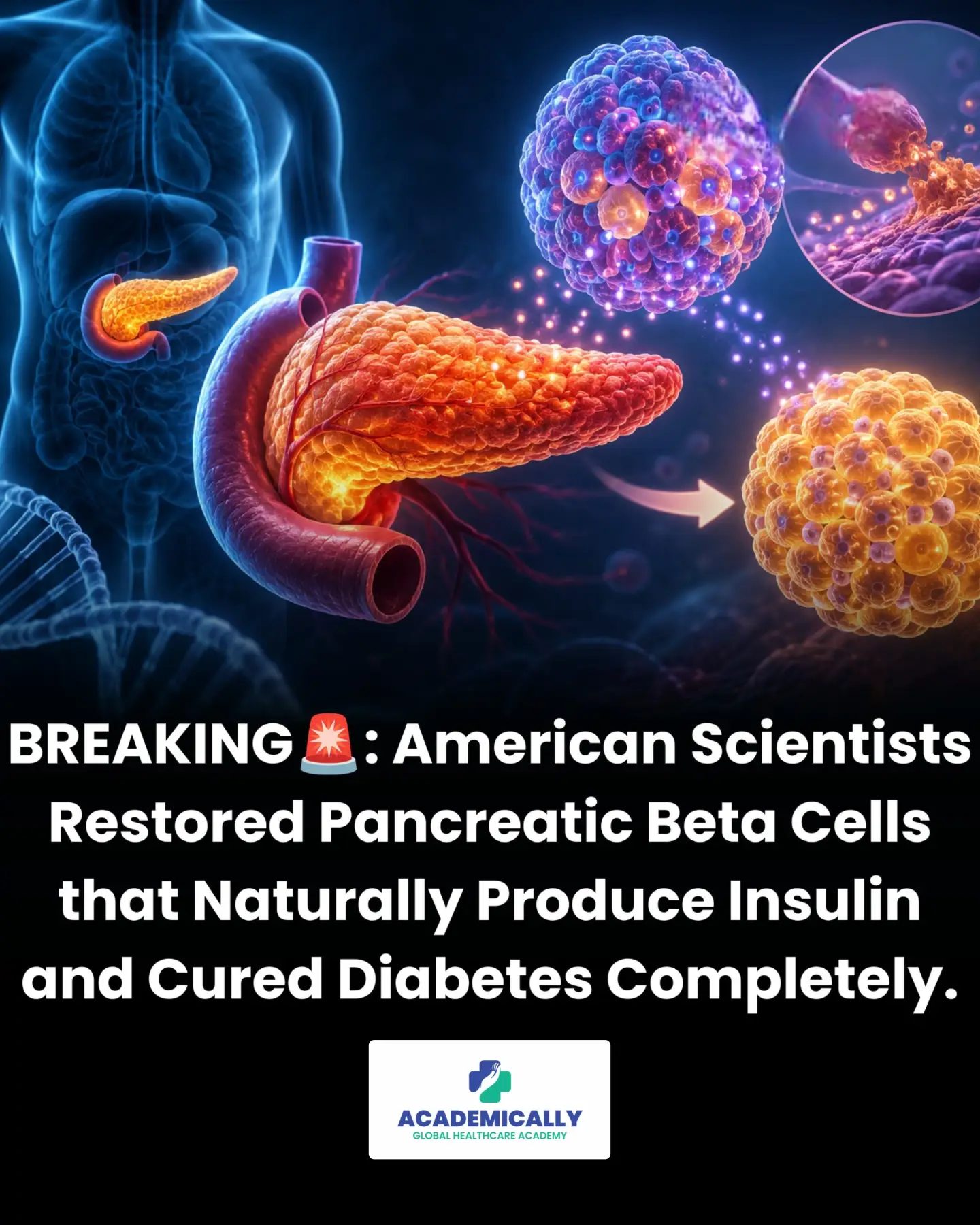
Recent claims suggest that American scientists have successfully restored pancreatic beta cells, enabling them to naturally produce insulin. This breakthrough, if verified, could mark a significant milestone in diabetes research. The ability to restore these cells would mean that the body could produce its own insulin, potentially curing diabetes completely.
Practical Tips for Staying Informed
Staying informed about the latest developments in diabetes research can be empowering, especially for those living with the condition. Here are some practical tips to keep up with the latest advancements:
- Follow reputable sources like ACADEMICALLY GLOBAL HEALTHCARE ACADEMY for the latest updates on diabetes research.
- Stay connected with healthcare professionals who specialize in diabetes management.
- Engage with online communities and forums where researchers and patients share their experiences and insights.
Important Takeaways
The future of Type 1 Diabetes treatment is looking brighter than ever, with several promising therapies on the horizon. Key takeaways include:
- CRISPR gene editing holds potential for modifying donor cells to evade immune system recognition.
- Stem cell-derived islet therapy, like ximislecel, offers hope for insulin independence, although immunosuppressants are still required.
- Immune system reset methods show promise in animal studies and are moving toward human trials.
- The restoration of pancreatic beta cells could lead to a complete cure for diabetes.
These advancements represent a major shift in diabetes research, moving from blood sugar management to restoring the body's natural ability to produce insulin. This progress offers hope for a future where Type 1 Diabetes might be treated more effectively and, potentially, cured.
Conclusion
The landscape of Type 1 Diabetes treatment is evolving rapidly, with innovative therapies paving the way for a future where insulin dependence may become a thing of the past. From CRISPR gene editing to stem cell therapies and immune system resets, the research community is exploring multiple avenues to restore pancreatic beta cells and revolutionize diabetes management. These developments offer renewed hope for the millions of people living with diabetes, providing a glimpse into a future where this condition could be treated more effectively and, perhaps, cured.
Watch the Reel
Questions readers ask
What are beta cells and why are they crucial in Type 1 Diabetes management?
Beta cells are a type of cell found in the pancreas that produce insulin, a hormone essential for regulating blood sugar levels. In Type 1 Diabetes, the immune system attacks and destroys these cells, leading to insulin deficiency. Restoring beta cells is a key focus of current research to reduce or eliminate the need for insulin injections.
How does CRISPR gene editing contribute to Type 1 Diabetes research?
CRISPR gene editing is a cutting-edge technology that allows scientists to precisely modify DNA. In the context of Type 1 Diabetes, CRISPR is being explored to correct genetic mutations that may contribute to the disease, and to make beta cells less visible to the immune system, thereby preventing their destruction.
What are stem cell-derived treatments and how do they help in restoring beta cells?
Stem cell-derived treatments involve using stem cells to generate new, functional beta cells. These treatments aim to replenish the lost beta cells in the pancreas, restoring insulin production and potentially reducing or eliminating the need for external insulin. This approach holds great promise for managing Type 1 Diabetes more effectively.
What are pancreatic islet cells and how are they related to Type 1 Diabetes?
Pancreatic islet cells, also known as islets of Langerhans, are clusters of cells in the pancreas that include beta cells. In Type 1 Diabetes, the body's immune system targets and destroys these islet cells, specifically the beta cells, leading to insulin deficiency. Research is focused on protecting and restoring these islet cells to improve insulin production.
What are some of the current breakthroughs in Type 1 Diabetes research?
Recently, there have been significant breakthroughs in Type 1 Diabetes research, including the use of CRISPR gene editing to modify beta cells and stem cell-derived treatments to generate new beta cells. Other advancements involve immunotherapeutics to modulate the immune response and tissue engineering to create bioartificial pancreases.
How does the global research community approach restoring beta cells in Type 1 Diabetes?
The global research community is exploring a variety of approaches to restore beta cells, including gene editing, stem cell therapies, and immunomodulatory treatments. Collaborations between researchers worldwide are crucial for sharing findings and accelerating progress towards effective and lasting treatments for Type 1 Diabetes.
Related deep dives
Similar reads based on topic and creator.

Recent articles
Fresh deep dives from the latest Reels we unpacked.




Comments
Be the first to comment.