Tooth Enamel Regrowth
The world of dental care is on the brink of a significant breakthrough with the development of a new dental gel capable of regrowing natural tooth enamel. Researchers at the University of Nottingham have created a fluoride-free gel that mimics the proteins found in infants, making it possible to regenerate tooth enamel in a non-invasive way.
Context / Why this matters
Dental decay is a global issue affecting billions of people. Traditional treatments often involve invasive procedures and the use of fluoride, which can have its own set of drawbacks. This innovative gel offers a promising alternative, potentially revolutionizing how we approach dental health.
Main discussion
The Science Behind the Gel
The gel works by mimicking proteins found in infancy, creating a microscopic scaffold on damaged teeth. This scaffold then pulls calcium and phosphate from saliva, which are essential for rebuilding the tooth enamel structure. Essentially, the gel tricks the body into thinking the damage is a naturally occurring condition that needs to be repaired, allowing the tooth to regenerate its enamel naturally.
How the Gel is Applied
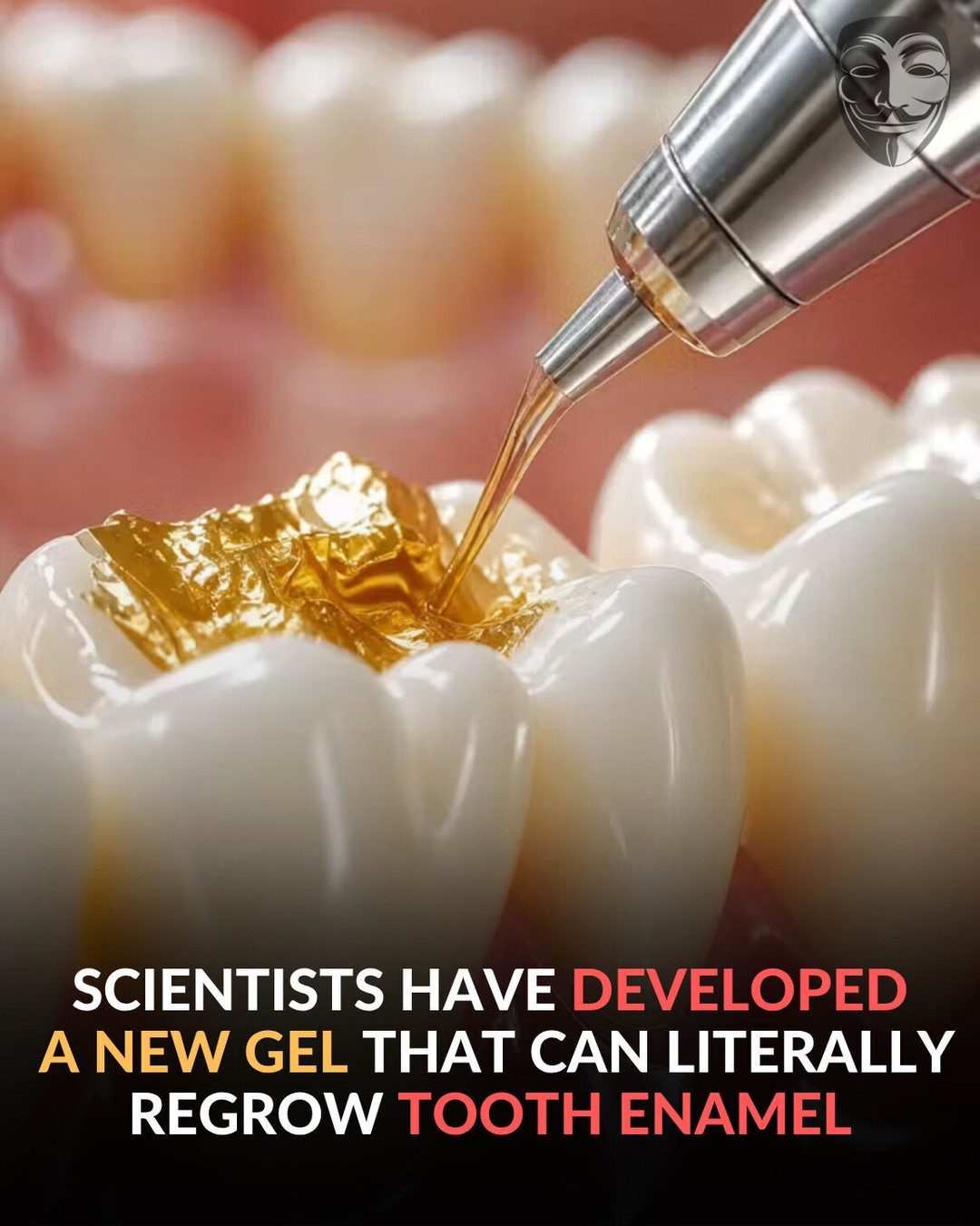
The application process is straightforward, making it an accessible option for many. Using a metal applicator, the golden-colored gel is dispersed onto the surface of the damaged tooth. This non-invasive method ensures that the healing process is both comfortable and effective. The gel's ability to regenerate enamel makes it a groundbreaking treatment that offers long-lasting benefits.
The Regenerative Properties
One of the most notable aspects of this gel is its regenerative properties. By pulling essential minerals from saliva, it can rebuild the enamel's structure seamlessly. This is a significant advancement compared to traditional treatments that often focus on filling cavities or replacing damaged teeth. The gel's ability to regenerate enamel means that it can potentially prevent further decay and strengthen teeth in a way that traditional methods can't.
Practical tips
While the gel is still in the stages of clinical trials, there are some practical tips to keep in mind for those dealing with dental decay.
Regular Dental Check-Ups
Regular check-ups with your dentist are crucial for detecting decay early. Early detection can make treatments less invasive and more effective.
Maintain Oral Hygiene
Maintaining good oral hygiene is essential. This includes brushing your teeth at least twice a day, flossing regularly, and using a mouthwash that contains fluoride. While the new gel is fluoride-free, maintaining good oral health practices is still vital.
Eating a Balanced Diet
A balanced diet rich in calcium and vitamin D can help strengthen your teeth and reduce the risk of decay. Foods like dairy products, leafy greens, and fortified cereals are excellent sources of these nutrients.
Consider Professional Cleanings
Professional cleanings can help remove plaque and tartar that regular brushing and flossing might miss. These cleanings can also help detect issues early, making treatments more effective.
Explore New Technologies
Keep an eye on new technologies and treatments in dental care. Innovations like this gel could offer revolutionary solutions to common dental problems.
Seek Professional Advice
Before trying any new treatments or products, it's essential to consult with a dental professional. They can provide personalized advice and ensure that any new treatment is suitable for your specific needs.
Important takeaways
The development of this innovative gel marks a significant step forward in dental care. Its ability to regenerate tooth enamel in a non-invasive, fluoride-free way offers a promising solution to a global issue. As clinical trials progress, this gel could become a groundbreaking treatment that revolutionizes how we approach dental health.
Conclusion
The new dental gel developed by researchers at the University of Nottingham represents a significant advancement in dental care. By mimicking natural proteins and promoting enamel regeneration, this innovative treatment offers a promising solution for those suffering from chronic dental decay. With ongoing research and clinical trials, this gel could soon become a game-changer in the world of dentistry, offering a non-invasive, effective way to restore and strengthen teeth.
Watch the Reel
Questions readers ask
How does the new dental gel from the University of Nottingham regrow tooth enamel?
The gel uses proteins similar to those found in infants to create a scaffold that promotes natural enamel regrowth. This process mimics the body's own mechanisms for forming enamel, making it a natural and non-invasive solution for those with dental decay.
What makes this dental gel different from traditional treatments?
Unlike traditional treatments, this gel is fluoride-free and does not require invasive procedures. Instead, it focuses on regenerating tooth enamel naturally, offering a more comfortable and potentially safer alternative for many people.
Who developed the breakthrough enamel regrowing gel?
The innovative gel was developed by researchers at the University of Nottingham, marking a significant clinical dental breakthrough in the field of natural dental care.
Why is tooth enamel regrowth important?
Tooth enamel regrowth is crucial because it addresses dental decay, a global issue affecting billions. By promoting enamel regrowth, this gel can help prevent further decay and potentially reduce the need for more invasive dental treatments.
What's the role of the tooth enamel scaffold in the gel?
The tooth enamel scaffold in the gel is a structure that the proteins use to facilitate regrowth of the enamel. It provides the structure to help regrow the enamel naturally.
Is this gel a viable option for those with dental anxiety?
Yes, this gel is an excellent option for those with dental anxiety. Because it is non-invasive, it can help people who fear or avoid traditional dental treatments, while still helping regrow tooth enamel naturally.
Related deep dives
Similar reads based on topic and creator.

Recent articles
Fresh deep dives from the latest Reels we unpacked.




Comments
Be the first to comment.