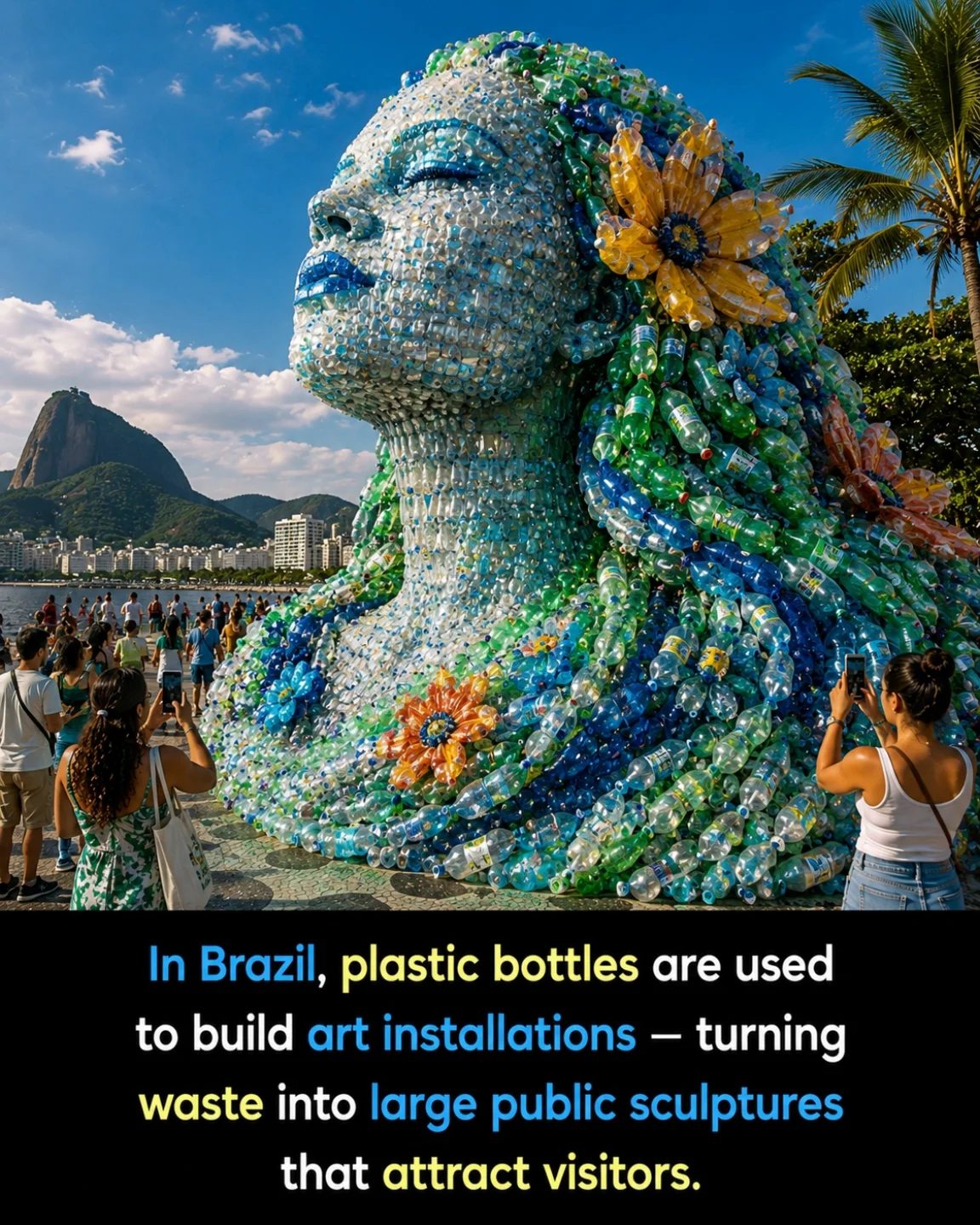
Plastic Bottle Sculpture in Brazil: Turning Waste into Public Art
Public art installations have the power to transform urban landscapes, spark conversations, and draw visitors. In Brazil, a unique approach to public art has emerged, utilizing recycled plastic bottles to create striking sculptures that transcend the boundaries of traditional art. These installations not only enhance the visual appeal of public spaces but also serve as a powerful statement about environmental sustainability.
Transforming Waste into Art
The concept of recycling plastic bottles into public art is not just a creative endeavor but also an environmental mission. In Brazil, artists and environmental activists have combined their efforts to address the growing problem of plastic waste. By repurposing discarded plastic bottles, these large public sculptures provide a visual reminder of the potential hidden in waste. This initiative highlights the importance of recycling and waste management, encouraging communities to rethink their approach to plastic consumption and disposal.
The Art of Recycling
The Process
Creating a sculpture from recycled plastic bottles is a meticulous process. Artists begin by collecting plastic bottles, which are then cleaned and sorted. The bottles are cut, shaped, and assembled to form intricate sculptures. This labor-intensive process requires a high level of craftsmanship and attention to detail, transforming simple plastic bottles into an eye-catching art installation.
The Symbolism
The use of plastic bottles in these installations carries profound symbolism. Plastic pollution is a global issue, and by showcasing it in a new light, artists hope to raise awareness about the consequences of plastic waste. The sculptures often depict themes related to environmental conservation, sustainable living, and the beauty of repurposed materials. This not only captures the audience's attention but also serves as a poignant reminder of the need for waste reduction and recycling.
The Impact
The impact of these installations is multifaceted. On the one hand, they serve as a visual feast, attracting visitors and enhancing the aesthetic value of public spaces. On the other hand, they serve as educational tools, highlighting the importance of environmental stewardship. These sculptures are often placed in high-traffic areas, ensuring that a wide audience is exposed to the message. The combination of art and activism makes these installations a powerful tool for social change.
Public Engagement and Awareness
Community Involvement
Community engagement is a significant aspect of these installations. Many of these projects involve local communities in the creation process, fostering a sense of ownership and responsibility. By involving the public, artists ensure that the message of sustainability and recycling is deeply ingrained in the community. This collaborative approach helps build a collective consciousness around waste management and environmental conservation.
Educational Initiatives
Many of these installations are accompanied by educational initiatives, workshops, and community events. These gatherings provide a platform for artists to engage with the public, share their vision, and educate people about the importance of recycling. The hands-on nature of these workshops makes the learning experience more impactful, inspiring people to take action in their daily lives.
Public Feedback
Viewers often remark on the striking contrast between the mundane nature of plastic bottles and the grandeur of the sculptures. Comments frequently highlight the creativity and innovation behind the installations, as well as the powerful message they convey. People appreciate the unique blend of art and environmental awareness, making these installations a memorable part of their urban landscape.
Practical Tips for Creating Your Own Plastic Bottle Art
Get Creative with Materials
One of the best ways to start is by collecting a variety of plastic bottles. Different shapes, sizes, and colors can add depth and complexity to your artwork. Look for unique containers and consider how they can be repurposed into different elements of your sculpture. Remember, the more diverse your materials, the more interesting your artwork can be.
Plan and Design
Start with a clear vision of what you want to create. Sketch out your design and determine how the different parts of your sculpture will fit together. This planning phase is crucial as it ensures that your final artwork is cohesive and visually appealing. Consider the message you want to convey and how the design can enhance that message.
Be Patient
Creating a sculpture from recycled plastic bottles is a time-consuming process. Be patient and take your time with each step. The quality of your final artwork will depend on the effort you put into the process. Don't rush; enjoy the creative journey and allow your vision to unfold naturally.
Important Takeaways
Plastic bottle art installations in Brazil serve as a benchmark for how art and environmental activism can intersect. These installations not only transform waste into visually appealing art but also raise awareness about the importance of recycling and sustainable living. By involving the community and providing educational initiatives, these projects foster a sense of collective responsibility towards the environment. The impact of these installations is significant, inspiring people to take action and make sustainable choices in their daily lives.
Conclusion
The use of plastic bottles in public art installations in Brazil is a testament to human ingenuity and environmental consciousness. These sculptures are more than just art; they are a call to action, a reminder of the potential hidden in waste, and a catalyst for change. By turning plastic waste into large public sculptures, artists in Brazil are paving the way for a more sustainable future, one bottle at a time.
Watch the Reel
Questions readers ask
What are the main materials used in Brazil's recycled plastic bottle art?
The primary materials used in these artistic installations are discarded plastic bottles. Artists collect these bottles, clean them, and repurpose them into stunning sculptures that serve as both art and a statement about sustainability.
What are some of the most notable public art installations in Brazil that use plastic bottle art?
Brazil boasts several prominent installations, but unfortunately, it is impossible to list them all here. Noteworthy examples include large-scale sculptures that adorn urban parks and city squares, turning public spaces into vibrant, thought-provoking environments.
How do these plastic bottle sculptures benefit the environment?
These sculptures benefit the environment by repurposing discarded plastic bottles that otherwise end up in landfills or pollute natural ecosystems. This effort promotes recycling, reduces waste, and encourages a more sustainable approach to managing plastic waste.
What is the impact of plastic bottle art on public awareness about sustainability?
Plastic bottle art in Brazil serves as a visual reminder of the potential hidden in waste. Recycling and waste management are encouraged through the art. By transforming waste into striking public installations, these sculptures Spark conversations about sustainability.
Can anyone create plastic bottle art, or is it a specialized skill?
While anyone can create plastic bottle art with some creativity and effort, it often requires collaboration with artists and environmental activists. It involves collecting, cleaning, and repurposing the bottles into sculptures, which can be a complex process requiring specific skills.
Related deep dives
Similar reads based on topic and creator.



Recent articles
Fresh deep dives from the latest Reels we unpacked.




Comments
Be the first to comment.