The Storm That Hit Paraná, Brazil Hard
The state of Paraná in Brazil has been ravaged by extreme weather, affecting more than 20,000 people and leaving four dead. This deluge of cascading natural disasters is a grim reminder of how Brazil's varied geography and climate can turn devastating. While the majority of the country is fairly tropical, Paraná is temperate and receives up to 1,500 mm (60 in) of rain annually, but apparently even moderate amounts of rain can flood cities and towns. The region was hit by severe storms, tornadoes, and hail. Several municipalities, including Cascavel, Palotina, and Toledo, reported substantial damage, the most notable being landslides, a mechanism which occurs when prolonged rainfall saturates the ground and overwhelms the soil's capacity to absorb more water. Damage to infrastructure, homes, and businesses is widespread, and the region may be looking at a long road to recovery.
Extreme Weather in Brazil: A Bigger Problem
There is no one cause behind the extreme weather, but scientists may attribute some of the problems with Brazil's climate to deforestation in the Amazon. Trees act as a giant sponge, absorbing the sun's energy and releasing water vapor. When deforestation occurs, there is less foliage to absorb the heat, causing imbalances in precipitation and temperature. Recent data has shown that the Amazon is losing approximately 1.85 million hectares of forest in a year, decelerating the forest's absorption of carbon and the resulting disruption of the region's climate. Hydrological scientists have expressed frustration at the lack of progress in global climate change negotiations and the implications of countries like Brazil prioritizing short-term economic gains over immediate environmental interests. Many scientists are confident that quantitative models should be put in place to predict extreme weather events.
The Nature of the Scientific Visualization
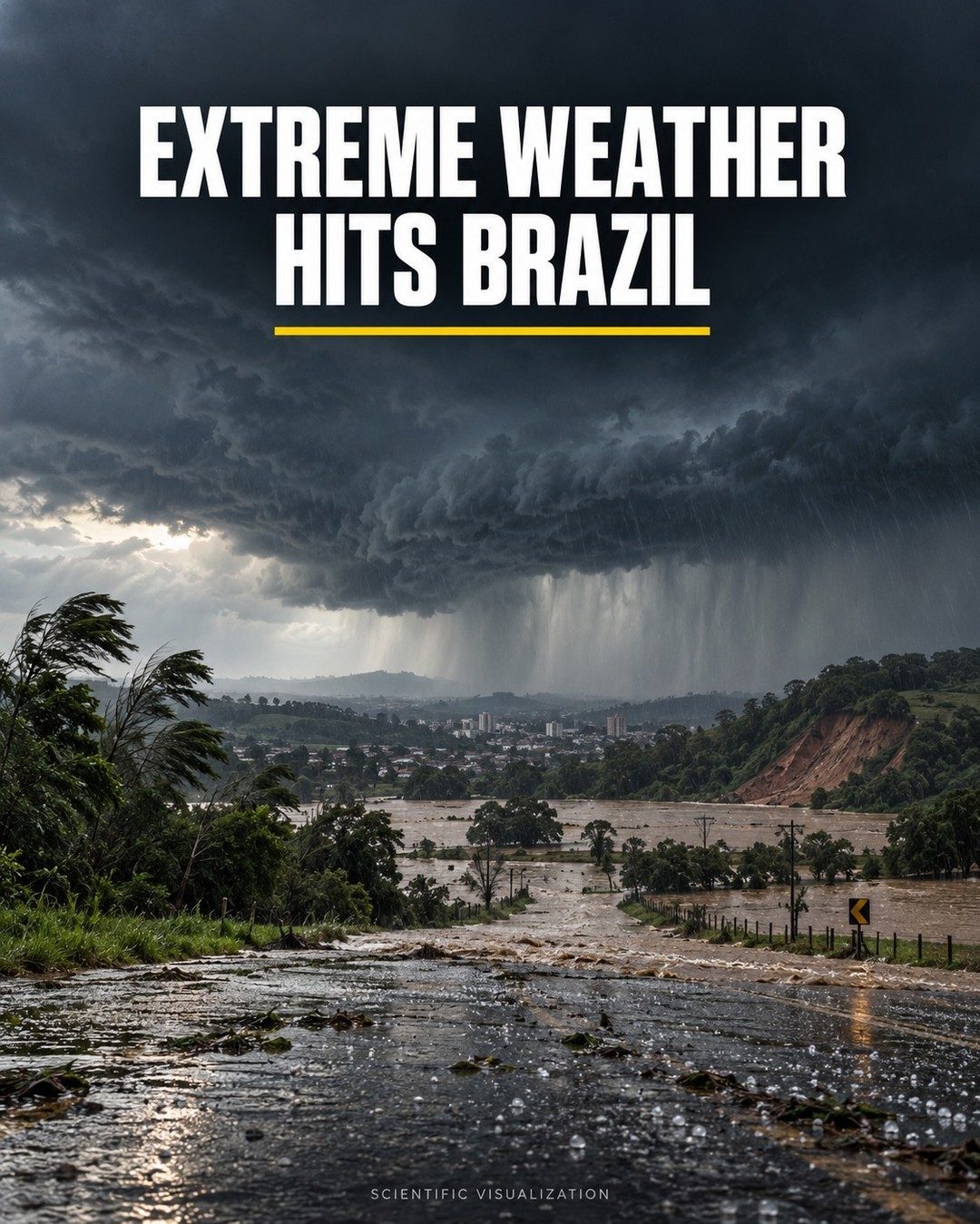
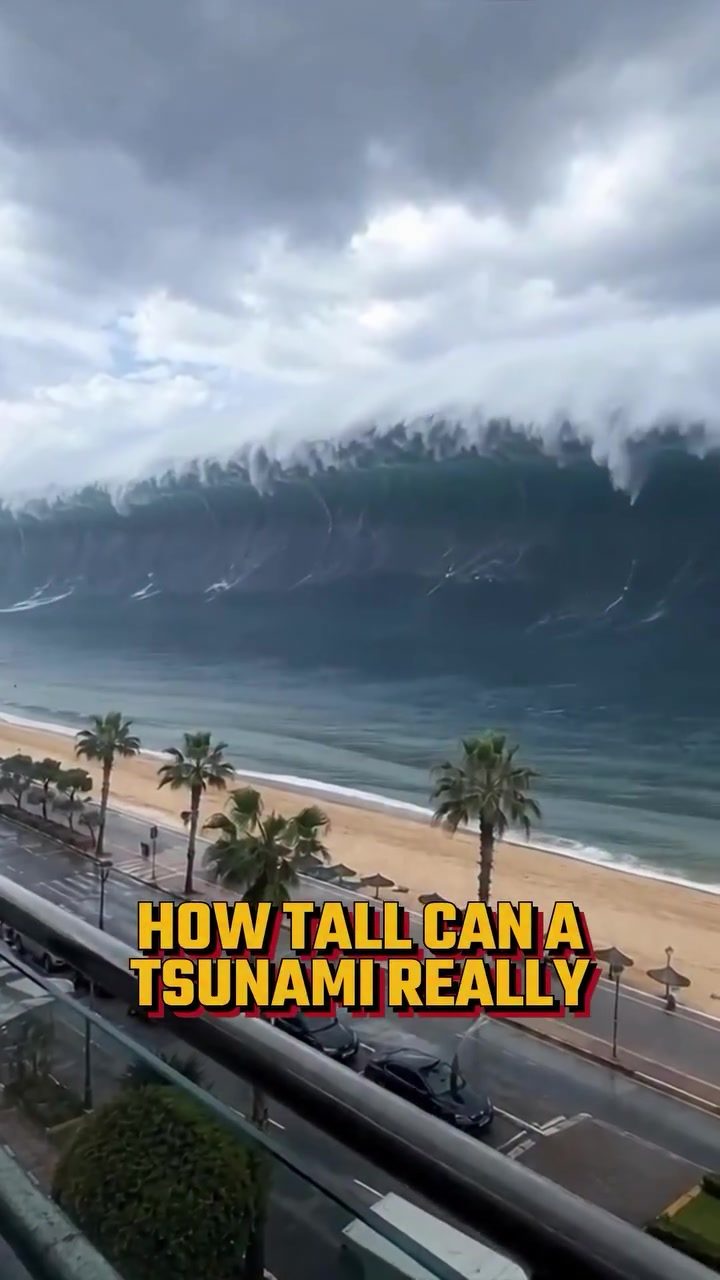
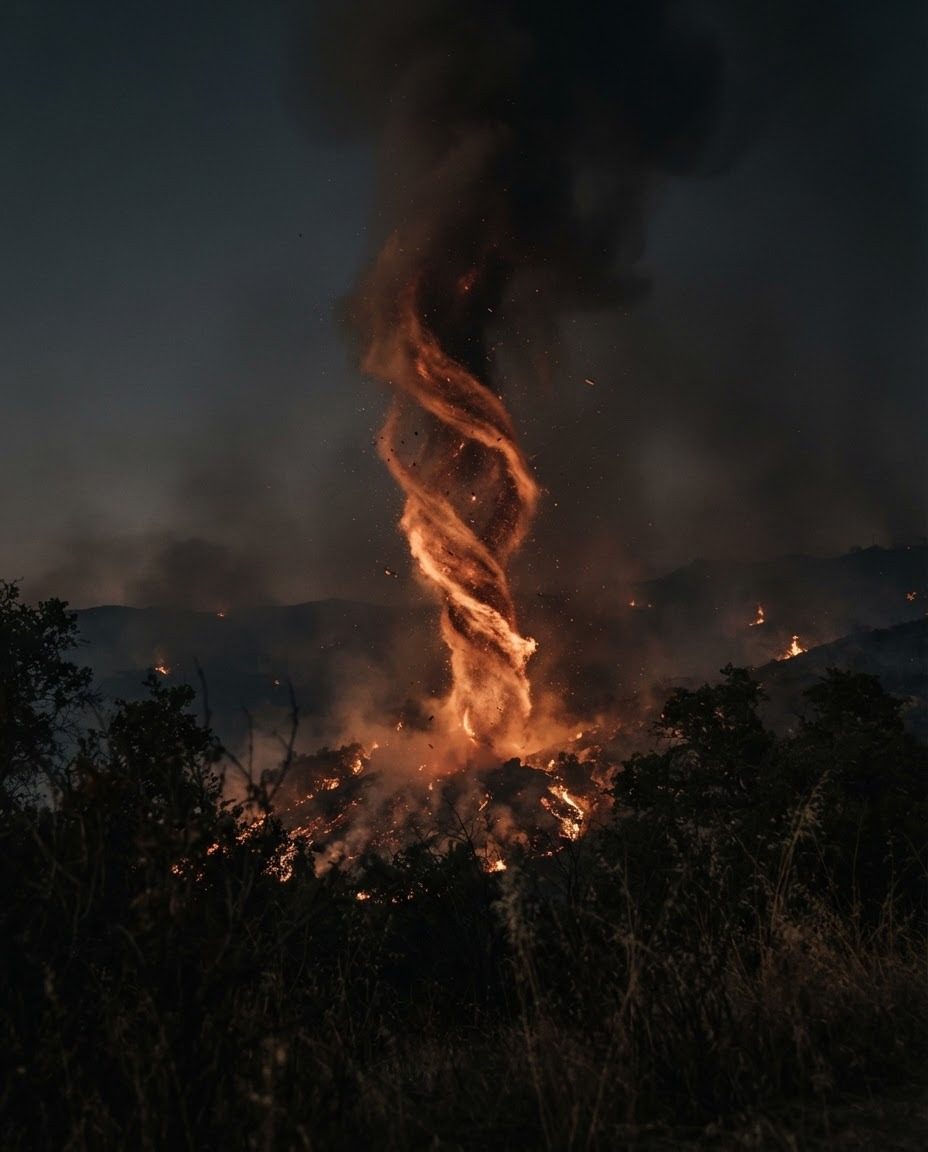
The storms have left the landscape of Paraná unrecognizable. The dramatic visuals show a large, dark storm cloud dominating the sky, with a river that has overflowed its banks, inundating a road and surrounding landscapes. Unable to drain the water in time, residents are left to deal with the flooding, and cities across Paraná are struggling to cope with the aftermath. Natural disasters can leave people hopeless. The process of rebuilding is long and overwhelming, however, more and more scientific visualizations are being used as tools to detect anomalies in cities' infrastructure. It is possible to create a better understanding of our climate, and detecting anomalies can be critical in curbing damages in cities. These tools may serve as a leapfrog towards a more prepared future.
Watch the Reel
Related deep dives
Similar reads based on topic and creator.
Recent articles
Fresh deep dives from the latest Reels we unpacked.
Comments
Be the first to comment.