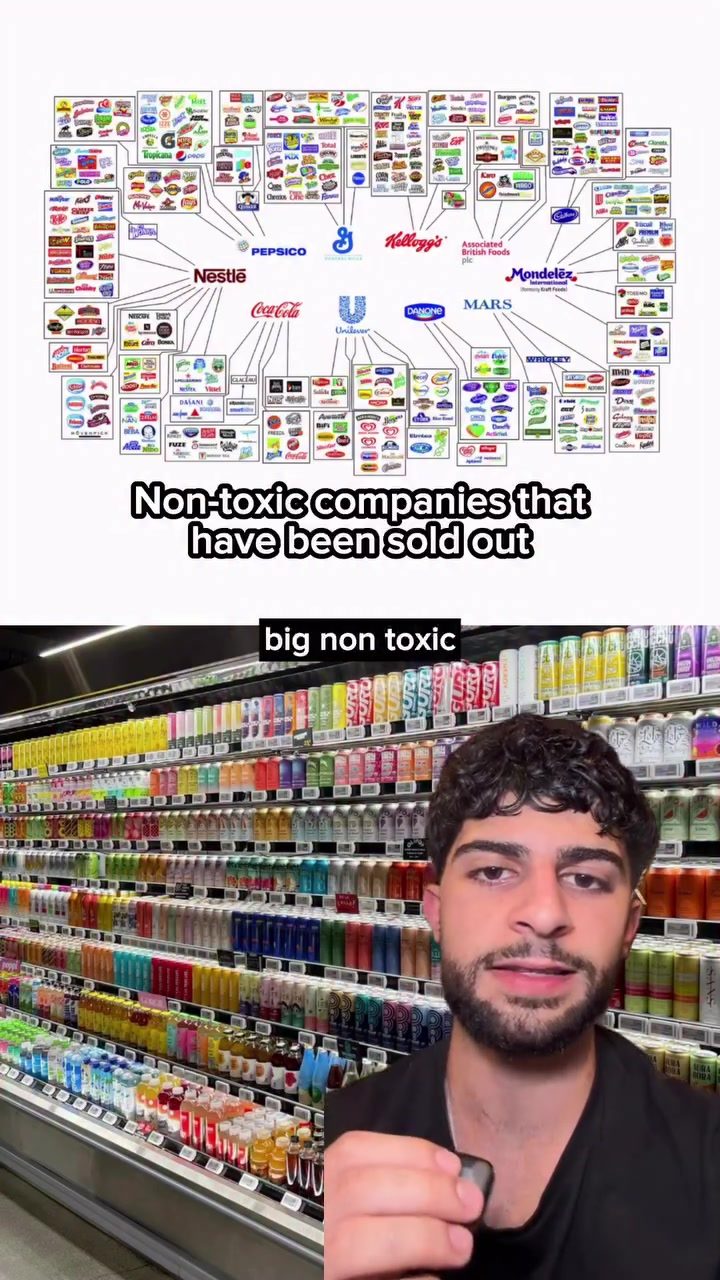
Brands and Their Acquisitions
Companies changing hands is a common occurrence in the business world, and it's essential to stay informed about these shifts, especially when they involve brands known for their non-toxic or health-conscious products. This list provides a detailed overview of several notable acquisitions, highlighting the changes in ownership and the potential implications for consumers.
Why This Matters
When non-toxic and health-conscious brands are acquired by larger corporations, it can have significant implications. Consumers often choose these brands for their commitment to quality, sustainability, and non-toxic ingredients. However, acquisitions can lead to changes in product formulations, pricing, and overall brand direction. Knowing which brands have been sold can help consumers make more informed purchasing decisions.
List of Recently Acquired Non-Toxic Companies
Non-Toxic Brands in Personal Care
Personal Care Products
Over the past few years, several non-toxic brands in the personal care sector have been acquired by major corporations. Here are some of the notable acquisitions:
- Ciete was sold to PepsiCo for approximately $1.2 billion.
- Dr. Squatch was sold to Unilever in 2025 for $1.5 billion.
- Burt's Bees was acquired by Clorox.
- Native was acquired by Procter & Gamble.
- Schmidt’s Naturals was acquired by Unilever.
- Burt’s Bees was acquired by Clorox.
- New Chapter was acquired by Procter & Gamble.
- Sir Kensington’s was acquired by Unilever.
- SheaMoisture was acquired by Unilever.
- Mrs. Meyer’s was acquired by SC Johnson.
The acquisition of these brands by large corporations can lead to changes in product formulations and ingredient lists. Consumers should be aware of these shifts and monitor the products they purchase to ensure they align with their values and health needs.
Non-Toxic Brands in Food and Beverages
Food and Beverage Brands
Several non-toxic and health-conscious food and beverage brands have also been acquired by major corporations. Here are some of the key acquisitions in this category:
- Poppy was sold to PepsiCo for nearly $2 billion.
- Poppy was sold to PepsiCo for nearly $2 billion.
- Toms of Maine was sold to Colgate for $100 million.
- Seventh Generation was sold to Unilever for $700 million.
- Lesser Evil was sold to the Hershey Company for $750 million.
- Annie’s was acquired by General Mills.
- RXBAR was acquired by Kellogg’s.
- Primal Kitchen was acquired by Kraft Heinz.
- Bare Snacks was acquired by PepsiCo.
- Applegate Farms was acquired by Hormel Foods.
- Kind Snacks was acquired by Mars Inc.
- Vital Proteins was acquired by Nestlé Health Science.
- Garden of Life was acquired by Nestlé.
- Hu Kitchen was acquired by Mondelēz International.
These acquisitions can impact the availability and formulation of popular non-toxic and health-conscious food and beverage products. Consumers should stay informed about these changes to make informed purchasing decisions.
Large Corporations and Their Acquisitions
Top Companies and Their Acquisitions
Several large corporations have made significant acquisitions in the non-toxic and health-conscious brand space. Here are some of the key players and their acquisitions:
- PepsiCo acquired Ciete for approximately $1.2 billion, Poppy for nearly $2 billion, and Bare Snacks.
- Unilever acquired Dr. Squatch for $1.5 billion, Seventh Generation for $700 million, Schmidt’s Naturals, SheaMoisture, and Sir Kensington’s.
- Mars Inc. acquired Kind Snacks.
- Kraft Heinz acquired Primal Kitchen.
- General Mills acquired Annie’s.
- Kellogg’s acquired RXBAR.
- Procter & Gamble acquired Native and New Chapter.
- Hormel Foods acquired Applegate Farms.
- Clorox acquired Burt’s Bees.
- Colgate-Palmolive acquired Toms of Maine.
- Mondelēz International acquired Hu Kitchen.
- Nestlé Health Science acquired Vital Proteins.
- Nestlé acquired Garden of Life.
These acquisitions highlight the growing interest of large corporations in the non-toxic and health-conscious brand space. Consumers should be aware of these changes and monitor the products they purchase to ensure they align with their values and health needs.
Practical Tips for Consumers
Stay Informed
Knowing which brands have been acquired can help consumers make more informed purchasing decisions. Stay up-to-date on the latest acquisitions and monitor changes in product formulations and ingredient lists.
Monitor Product Formulations
When brands are acquired by larger corporations, there can be changes in product formulations and ingredient lists. Consumers should regularly check the labels of their favorite products to ensure they align with their values and health needs.
Support Small and Independent Brands
Supporting small and independent brands can help ensure that consumers have access to high-quality, non-toxic, and health-conscious products. By supporting these brands, consumers can help maintain a diverse and competitive marketplace.
Engage with Brands
Engaging with brands through social media, customer feedback, and other channels can help consumers stay informed about changes in product formulations and ingredient lists. Brands that value their customers' input are more likely to maintain high standards of quality and transparency.
Important Takeaways
- Acquisitions in the non-toxic and health-conscious brand space are common and can lead to changes in product formulations and ingredient lists.
- Consumers should stay informed about these changes and monitor the products they purchase to ensure they align with their values and health needs.
- Supporting small and independent brands can help maintain a diverse and competitive marketplace.
Conclusion
The acquisition of non-toxic and health-conscious brands by large corporations is a growing trend in the business world. Consumers should stay informed about these changes and monitor the products they purchase to ensure they align with their values and health needs. By staying informed and engaged, consumers can make more informed purchasing decisions and support brands that value quality, sustainability, and transparency.
Watch the Reel
Questions readers ask
Which major corporations are known for acquiring health-conscious brands?
Several major corporations are known for acquiring health-conscious brands. Notable examples include Unilever, PepsiCo, and other large-scale enterprises. These companies often seek out smaller brands that have established a strong reputation for non-toxic and health-conscious products to expand their market reach and product offerings.
What are the potential impacts of these acquisitions on consumers?
When a non-toxic or health-conscious brand is acquired by a major corporation, consumers may experience changes in product formulations, pricing, and overall brand direction. These shifts can occur as the acquiring company integrates the brand into its existing operations, which may prioritize profitability over the original brand's mission.
Are there specific brands known for their non-toxic products that have been acquired by major corporations?
Yes, several brands known for their non-toxic and health-conscious products have been acquired. For instance, Squatch has been acquired by Unilever, and Lesser Evil, a brand known for its non-GMO and clean-label snack foods, has been acquired by PepsiCo. These acquisitions highlight the growing trend of larger corporations investing in the health and wellness sector.
How can consumers stay informed about which brands have changed ownership?
Consumers can stay informed by following industry news, checking official brand announcements, and utilizing resources that track corporate acquisitions. Websites and blogs that focus on health and wellness trends often provide updates on which brands have been acquired, helping consumers make informed purchasing decisions.
Do acquisitions of non-toxic brands affect the availability of these products?
Acquisitions can sometimes lead to changes in product distribution and availability. Larger corporations may expand the reach of the acquired brand to new markets, making the products more widely available. However, there is also a risk that the acquiring company may prioritize more profitable products, potentially reducing the availability of the original non-toxic lines.
What should consumers look for when a non-toxic brand is acquired by a major corporation?
Consumers should pay close attention to any changes in product formulations, ingredient lists, and company communications. They should look for transparency from the acquiring company about their plans for the brand and monitor any shifts in the brand's commitment to non-toxic and health-conscious practices.
Why are major corporations interested in acquiring non-toxic and health-conscious brands?
Major corporations are often interested in acquiring these brands because they have established a loyal customer base and a strong reputation for quality and sustainability. By acquiring such brands, these corporations can expand their product portfolios, enter new markets, and capitalize on the growing consumer demand for non-toxic and health-conscious products.
What are the implications of these acquisitions for the sustainability and non-toxic product market?
The implications can be mixed. On one hand, acquisitions can lead to increased visibility and accessibility of non-toxic products. On the other, there is a risk that the acquiring company may prioritize cost-cutting measures or align the brand with less environmentally-friendly practices. It's essential for consumers to stay engaged and voice their concerns to ensure that the original brand's sustainability and non-toxic commitments are upheld.
Related deep dives
Similar reads based on topic and creator.


Recent articles
Fresh deep dives from the latest Reels we unpacked.




Comments
Be the first to comment.