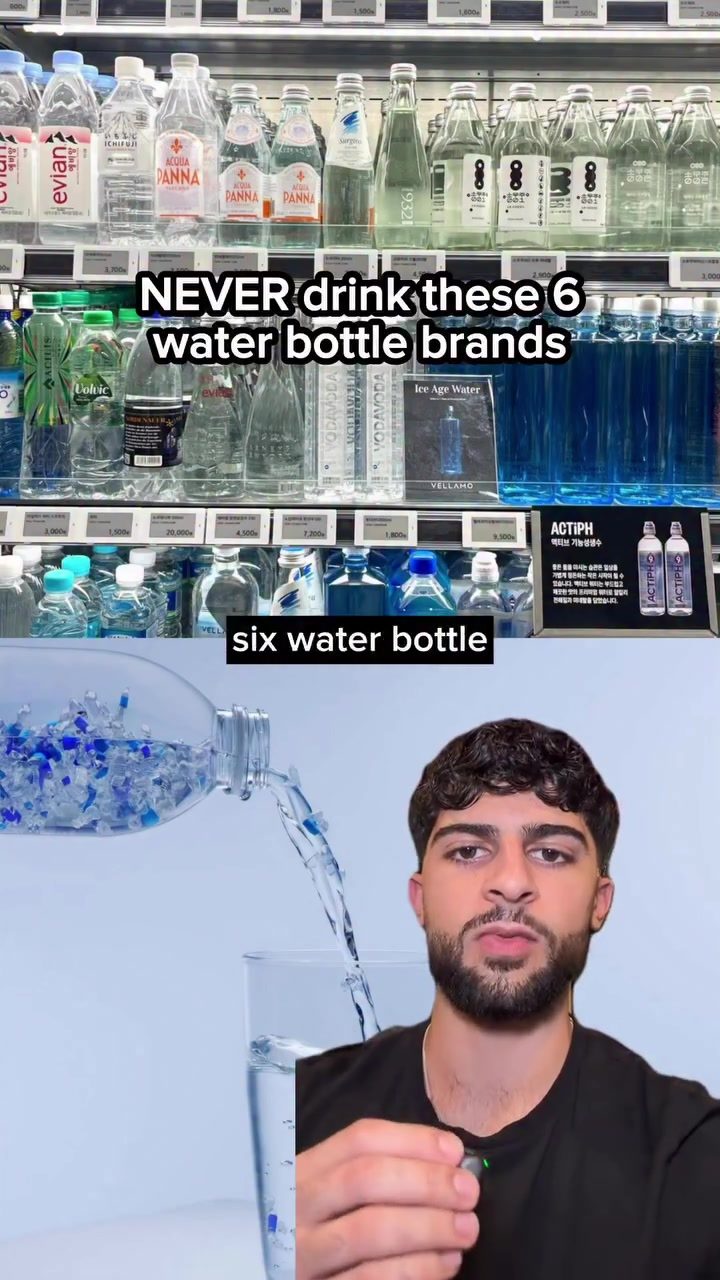
Water Bottle Brands to Avoid
When choosing a water bottle, it's crucial to consider the potential contaminants. By 2026, drinking certain bottled water brands have been linked to concerns like arsenic, PFAs, and bromate, among other chemicals. The presence of these contaminants can vary by brand. Here’s a detailed look at why some brands should be avoided and what healthier alternatives might look like.
Why this Matters
Water is essential for hydration and overall health. However, not all bottled waters are created equal. The type of packaging and processing methods can introduce contaminants, affecting the water's safety and purity. Some brands have been found to contain harmful chemicals, making it important to choose wisely.
Main Discussion
Understanding the Contaminants
Water bottles can contain several harmful chemicals, including:
-
Arsenic: A known carcinogen that can cause skin lesions, lung and bladder cancer, and other health issues. Some bottled waters have been found to contain arsenic levels significantly higher than the daily limit.
-
PFAs (Per- and Polyfluoroalkyl Substances): These are a group of man-made chemicals used in various products, including non-stick cookware and water-resistant clothing. Exposure to PFAs has been linked to thyroid problems, immune system effects, and certain cancers.
-
Bromate: A chemical that can form when ozone is used to disinfect drinking water. High levels of bromate can cause cancer and have been found in some bottled waters.
-
Trihalomethanes (THMs): Byproducts of the disinfection process, THMs are linked to bladder and colon cancers. They are formed when chlorine interacts with organic matter in the water.
Watch out for These Bottled Water Brands.
While brands can vary by region, here are six water bottle brands that have been highlighted for their high levels of contaminants:
-
Fiji: Contains arsenic at 250 times the daily limit.
-
Aquafina: Contained PFAs 999 times the daily limit.
-
Pure Life: Bromate levels are 15 times the daily limit.
-
Dasani: Contains PFAs 999 times the daily limit.
-
Path: Contains trihalomethanes 19 times the daily limit.
-
Saratoga: Contains arsenic 40 times the daily limit.
Practical Tips
Switch to Glass Bottles
Glass bottles are a safer alternative to plastic. They do not leach harmful chemicals into the water, making them a healthier choice. Additionally, glass bottles can be easily cleaned and reused, reducing waste and environmental impact.
Look for Lab-Tested Brands
When choosing a water bottle, opt for brands that have undergone rigorous lab testing. Look for certifications and third-party verifications that ensure the water is free from contaminants. Brands like Ophora, Aqua Filette, and Hawaii Volcanic have been noted as top-rated and cleanest options.
Avoid Plastic Bags
Many bottled waters are packaged in plastic, which can leach harmful chemicals into the water, especially when exposed to heat or sunlight. Opt for glass bottles or other non-plastic containers to minimize exposure to these contaminants.
Important Takeaways
-
Be Informed: Stay informed about the latest findings on water bottle safety. Brands can change their processing methods, so it's important to stay up-to-date.
-
Read Labels: Always read the labels and look for certifications that indicate the water has been tested for contaminants.
-
Choose Glass Bottles: Whenever possible, choose glass bottles over plastic to reduce the risk of chemical leaching.
-
Consider Lab-Tested Brands: Opt for brands that have been lab-tested and found to be free from harmful contaminants.
Conclusion
Choosing the right water bottle is crucial for maintaining good health. By avoiding brands with high levels of contaminants and opting for glass bottles, you can ensure that you are drinking safe, clean water. Always stay informed and make choices that prioritize your well-being.
Watch the Reel
Questions readers ask
What are the main contaminants to look out for in bottled water in 2026?
In 2026, the primary contaminants to be aware of in bottled water are arsenic, PFAs (per- and polyfluoroalkyl substances), and bromate. These chemicals have been found in various brands and can pose health risks, so it's important to check the purity of the water.
Why should I avoid Fiji and Aquafina bottled water brands in 2026?
Fiji and Aquafina have been identified as brands with high levels of harmful chemicals, including arsenic and PFAs. To ensure safety, it's best to opt for brands that have stricter quality control measures and lower contamination levels.
How can I check if my bottled water is safe to drink in 2026?
To ensure your bottled water is safe, look for brands that conduct regular testing and disclose their contamination levels. Additionally, check for certifications from independent organizations that verify the purity and safety of the water.
What are some safer alternatives to Fiji and Aquafina in 2026?
Some bottled water brands known for their rigorous purification processes and lower contamination levels include Evian, Nestle Pure Life, and Core Hydration. These brands often prioritize safety and purity, making them better choices for daily consumption.
What steps can I take to ensure I am drinking safe water in 2026?
To ensure you are drinking safe water, consider brands that have a strong reputation for quality and safety. Regularly check for updates on water quality and contaminants from reliable sources, such as government agencies and independent labs, and always stay informed about the latest safety recommendations.
How do contaminants like arsenic and PFAs get into bottled water?
Contaminants like arsenic and PFAs can enter bottled water through various means, including the water source itself, processing equipment, or the packaging materials. Some brands may not have adequate filtration or purification processes to remove these harmful chemicals, leading to contamination.
What are the health risks associated with contaminants in bottled water?
Consuming bottled water with high levels of contaminants like arsenic, PFAs, and bromate can lead to various health issues, including cancer, reproductive problems, and developmental issues. Long-term exposure to these chemicals can have serious health consequences, making it crucial to choose brands that prioritize safety and purity.
Recent articles
Fresh deep dives from the latest Reels we unpacked.




Comments
Be the first to comment.