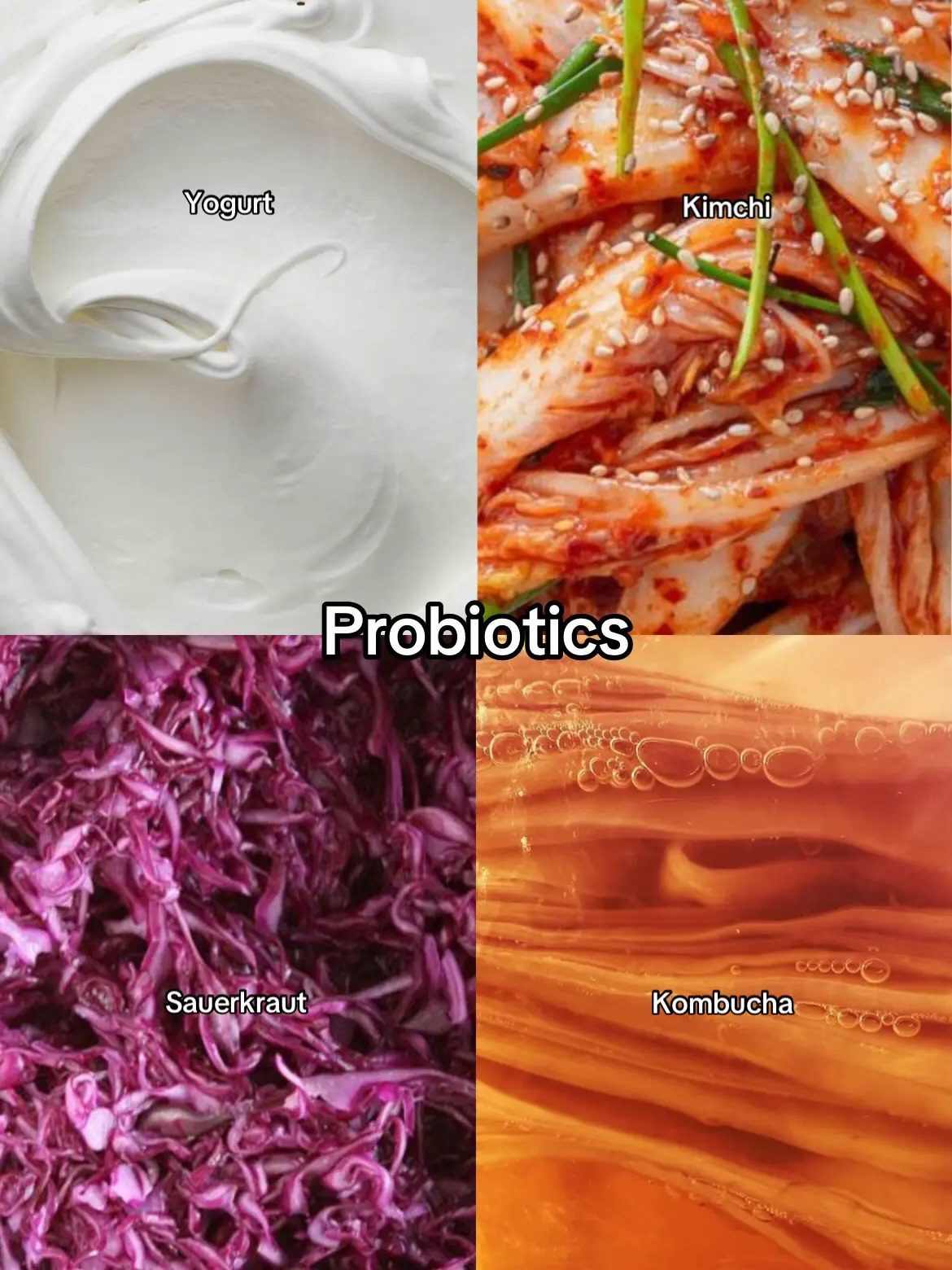
Probiotic and Fiber Foods
Eating healthy isn’t just about eliminating certain foods from your diet. It’s about introducing the right nutrients to improve overall well-being. Four key nutritional categories stand out for their significant health benefits: probiotics, fiber, omega-3 fatty acids, and iron. Each of these plays a crucial role in various aspects of health, from digestion and energy levels to mental clarity and recovery.
Context / Why This Matters
Incorporating the right foods into your daily routine can significantly enhance your quality of life. Whether you're aiming to improve digestion, boost energy, or support mental health, understanding the benefits of probiotics, fiber, omega-3, and iron can guide you in making smarter food choices. These nutrients are found in a variety of delicious and easily accessible foods, making it simple to integrate them into your diet.
Main Discussion
Probiotics: Gut Health
Probiotics are essential for maintaining a healthy gut microbiome, which is vital for digestion, immunity, and even mental health. These beneficial bacteria help break down food, absorb nutrients, and keep harmful bacteria in check. Foods rich in probiotics include:
- Yogurt: Especially varieties that contain live and active cultures.
- Kimchi: A fermented vegetable dish, usually made with cabbage and radishes, that adds a spicy kick to meals.
- Sauerkraut: Fermented cabbage that can be enjoyed as a side dish or added to sandwiches.
- Kombucha: A slightly effervescent, fermented tea that comes in various flavors and is often enjoyed as a refreshing beverage.
Fiber: Digestion and Satiety
Fiber is crucial for maintaining a healthy digestive system. It helps regulate bowel movements, control blood sugar levels, and keep you feeling full, which can aid in weight management. Some of the best sources of fiber include:
- Pears: A juicy and sweet fruit that can be enjoyed fresh or added to salads and desserts.
- Lentils: Versatile legumes that can be used in soups, stews, and salads.
- Raspberries: Tasty and nutrient-dense berries that can be snacked on or added to smoothies and baked goods.
- Avocado: A creamy and nutrient-rich fruit that can be used in a variety of dishes, from sandwiches to salads and smoothies.
Omega-3 Fatty Acids: Brain Health and Inflammation
Omega-3 fatty acids are vital for brain function, heart health, and reducing inflammation. Incorporating these fats into your diet can help support cognitive function and reduce the risk of chronic diseases. Some excellent sources of omega-3 fatty acids are:
- Salmon: A fatty fish that can be baked, grilled, or poached.
- Mackerel: Another fatty fish that can be enjoyed in various dishes.
- Walnuts: Nutritious nuts that can be added to salads, oatmeal, or enjoyed as a snack.
- Chia Seeds: Tiny seeds that can be sprinkled on yogurt, oatmeal, or blended into smoothies.
Iron: Energy and Oxygen Transport
Iron is essential for carrying oxygen throughout the body, which supports energy levels and overall health. Foods rich in iron include:
- Spinach: A leafy green that can be used in salads, smoothies, or cooked dishes.
- Pumpkin Seeds: A tasty snack that can be roasted and seasoned to your liking.
- Edamame: Young soybeans that can be steamed and seasoned as a snack or added to salads and stir-fries.
- Avocado: This versatile fruit is not only high in fiber but also contains iron.
Practical Tips
Incorporating These Foods into Your Diet
Adding these nutrient-rich foods to your diet doesn't have to be complicated. Here are some practical tips to help you get started:
- Meal Prep: Plan your meals for the week and include a variety of probiotic, fiber-rich, and iron-rich foods.
- Snack Smart: Choose snacks like yogurt, nuts, and fruits that provide a mix of nutrients.
- Experiment with Recipes: Try new recipes that incorporate these foods, such as a kale and spinach salad with avocado and pumpkin seeds.
- Stay Hydrated: Proper hydration is essential for nutrient absorption and overall digestive health.
- Track Your Intake: Use a nutrition app to monitor your daily calorie and macro intake, ensuring you're meeting your nutritional goals.
Using Technology to Stay on Track
Apps like the one featured in the reel can help track daily calorie and macro intake. They provide insight into your nutritional needs and help you stay motivated by rewarding you for your healthy habits. Features like tracking daily steps, monitoring calorie intake, and setting goals for protein, carbs, and fat can make the process of maintaining a healthy diet more engaging and rewarding.
Important Takeaways
Healthy eating is about balance and consistency. Small, daily habits can lead to significant improvements in overall health and well-being. Incorporating probiotic, fiber-rich, and iron-rich foods into your diet, along with staying active, can lead to better digestion, improved energy levels, and enhanced mental health. By making thoughtful food choices and using tools like nutrition apps, you can build lasting habits that support a healthier lifestyle.
Conclusion
Eating a balanced diet rich in probiotics, fiber, omega-3 fatty acids, and iron can significantly improve your overall health. These nutrients play crucial roles in various aspects of well-being, from digestion and energy to mental health and immunity. Incorporating foods like yogurt, kimchi, pears, lentils, and avocados into your daily routine, along with staying active and using helpful tools, can lead to a healthier, more fulfilling life. Start small, be consistent, and watch as your body responds with newfound energy and vitality.
Watch the Reel
Questions readers ask
What are some easy ways to incorporate more probiotics into my daily diet?
You can easily add probiotics to your daily routine by including foods like probiotic yogurt, kimchi, and kefir. These foods support gut health and digestion. Aim for a variety of probiotic-rich foods to ensure a diverse intake of beneficial bacteria.
How does fiber contribute to a healthier lifestyle?
Fiber is essential for promoting healthy digestion and preventing digestive issues. Foods high in fiber, such as pears and avocados, help maintain a healthy gut and can assist in weight management by promoting feelings of fullness. Including fiber-rich foods in your meals can also support heart health.
What are the benefits of adding iron-rich foods to my diet?
Iron is crucial for energy production and oxygen transport in the body. Including iron-rich foods like lean meats and seeds in your daily diet can help prevent fatigue and support overall energy levels. Iron-rich foods are also important for maintaining healthy blood cells, and ensuring that your daily intake can help boost your overall health.
How much daily probiotic intake is recommended for optimal gut health?
The optimal daily probiotic intake can vary, but generally, consuming a serving of probiotic yogurt or kimchi daily can promote gut health. It’s important to choose foods with live and active cultures, as these offer the most benefits for your digestive system.
Which foods are high in fiber and make good additions to meals or snacks?
Foods high in fiber include pears, avocados, and seeds. These can easily be incorporated into meals or enjoyed as snacks. For example, you can add avocado to your sandwich or salad, or snack on a pear with a handful of seeds.
What are the health benefits of seeds, especially in relation to fiber and iron?
Seeds are a powerhouse of nutrients, including fiber and iron. Incorporating seeds into your diet can help improve digestion, support heart health, and boost your energy levels. Try adding a variety of seeds to salads, smoothies, or oatmeal to reap their benefits.
How can I ensure I'm getting enough iron in my daily diet?
To ensure you're getting enough iron in your daily diet, focus on consuming lean meats, poultry, and fish, which are all high in iron. Additionally, incorporating iron-rich seeds and nuts into your meals can help boost your iron intake. Pairing iron-rich foods with vitamin C-rich foods can enhance iron absorption.
Recent articles
Fresh deep dives from the latest Reels we unpacked.




Comments
Be the first to comment.