The Remarkable Nutritional Benefits of Oysters
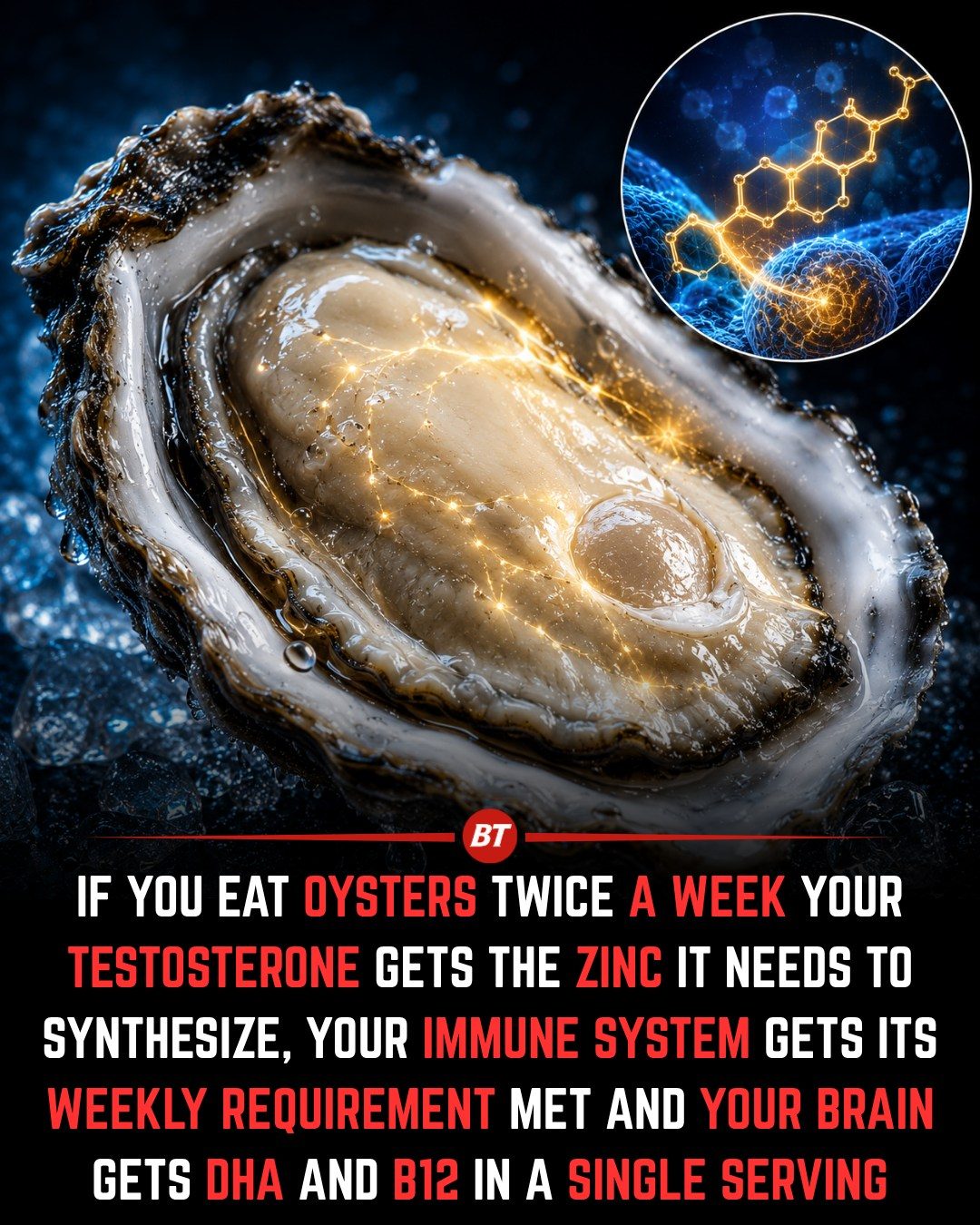
Oysters are not just a delicious seafood option; they are a nutritional powerhouse. A single serving of oysters delivers an incredibly concentrated package of nutrients that are essential for overall health. These tiny mollusks are exceptionally rich in zinc, vitamin B12, and omega-3 fatty acids, making them a standout choice for those looking to boost their immune system, support testosterone synthesis, and enhance brain health.
Why This Matters
Incorporating oysters into your diet can have significant health benefits. The nutrients found in oysters play crucial roles in various bodily functions, from immune support to cognitive health. Understanding these benefits can help you make informed dietary choices that support long-term wellness.
Main Discussion
The Role of Zinc in Oysters
Oysters are one of the richest sources of zinc, a mineral that plays a critical role in hundreds of biological processes. Zinc is essential for healthy immune function, wound healing, protein synthesis, and the production of hormones, including testosterone. A single serving of oysters contains more zinc than almost any other commonly consumed food.
Zinc and Testosterone Synthesis
Zinc is particularly important for testosterone synthesis. Adequate zinc intake is necessary for the body to produce testosterone, a hormone that is vital for both men and women. Low zinc levels can lead to a decrease in testosterone production, which can negatively impact overall vitality and energy levels. Consuming oysters twice a week can help ensure that the body has the zinc it needs to synthesize testosterone effectively.
Zinc and Immune Health
Zinc also plays a crucial role in supporting the immune system. It helps the body fight off infections and diseases by aiding in the production of white blood cells, which are essential for immune function. Regular consumption of oysters can help meet the body's weekly zinc requirements, thereby boosting the immune system and enhancing overall health.
The Importance of Vitamin B12
In addition to zinc, oysters are an excellent source of vitamin B12, a nutrient required for healthy nerve function, red blood cell production, energy metabolism, and brain health. A single serving of oysters can provide several times the daily requirement of vitamin B12, making them an ideal food for maintaining optimal neurological and cognitive function.
Vitamin B12 and Brain Health
Vitamin B12 is essential for the production of neurotransmitters, which are chemical messengers that transmit signals in the brain. Adequate vitamin B12 levels can support cognitive function, improve memory, and reduce the risk of cognitive decline. By incorporating oysters into your diet, you can ensure that your brain gets the vitamin B12 it needs to function optimally.
The Benefits of Omega-3 Fatty Acids
Oysters are also a rich source of omega-3 fatty acids, including DHA, which is a major structural component of the brain and nervous system. DHA has been extensively studied for its role in supporting cognitive function, healthy aging, and cardiovascular health. Regular consumption of oysters can help boost brain health and support overall cardiovascular wellness.
DHA and Cognitive Function
DHA is essential for the development and maintenance of the brain. It plays a crucial role in supporting cognitive function, memory, and learning. Regular consumption of oysters can help ensure that the body has the DHA it needs to support optimal brain health.
The Nutritional Value of Oysters
Oysters are not only rich in essential nutrients but also low in calories and high in protein. This makes them an excellent choice for those looking to maintain a healthy diet without compromising on taste. By incorporating oysters into your diet, you can enjoy a low-calorie, high-protein food that provides a wealth of nutrients.
Practical Tips
Incorporating Oysters into Your Diet
There are many ways to enjoy oysters and reap their nutritional benefits. You can enjoy them raw, grilled, baked, or lightly cooked. Pairing them with lemon juice and a nutrient-rich meal can enhance their flavor and nutritional value. Here are a few practical tips for incorporating oysters into your diet:
- Fresh Oysters: Enjoy raw oysters on the half-shell with a squeeze of lemon juice and a dash of hot sauce.
- Grilled Oysters: Grill oysters with a mix of garlic, herbs, and butter for a flavorful and healthy meal.
- Baked Oysters: Bake oysters with a breadcrumb topping for a crispy, savory dish.
- Oyster Stew: Make a comforting oyster stew with vegetables and a creamy broth for a hearty meal.
- Oyster Salad: Create a refreshing oyster salad with mixed greens, cherry tomatoes, and a light vinaigrette.
Cooking Tips for Oysters
To get the most out of your oysters, it's important to cook them properly. Here are some tips for cooking oysters:
- Shucking: Use a sharp oyster knife to shuck oysters carefully. Insert the knife into the hinge of the shell and twist to open it.
- Cleaning: Rinse oysters under cold water to remove any grit or sand before cooking.
- Cooking Time: Cook oysters for a short amount of time to avoid overcooking. Overcooked oysters can become tough and rubbery.
- Pairing: Pair oysters with complementary flavors, such as citrus, garlic, and herbs, to enhance their natural taste.
Important Takeaways
- Oysters are a rich source of zinc, vitamin B12, and omega-3 fatty acids, making them an excellent choice for supporting overall health.
- Regular consumption of oysters can help boost the immune system, support testosterone synthesis, and enhance brain health.
- Oysters are a low-calorie, high-protein food that provides a wealth of essential nutrients.
- Incorporating oysters into your diet can be done in various ways, from raw to grilled to baked.
- Proper cooking techniques can help you get the most out of your oysters, ensuring that they are tender and flavorful.
Conclusion
Oysters are a nutritional powerhouse that offers a wealth of health benefits. From supporting the immune system to enhancing brain health, oysters provide a concentrated package of essential nutrients that make them a standout choice for a healthy diet. By incorporating oysters into your meals, you can enjoy a delicious and nutritious food that supports overall wellness.
Watch the Reel
Questions readers ask
Why is zinc in oysters important for my health?
Zinc in oysters is crucial for a robust immune system. It aids in wound healing, maintains healthy skin, and supports normal growth and development. A single serving of oysters can provide a substantial amount of your daily zinc requirement, making them an excellent choice for immune support.
How do omega-3 fatty acids in oysters benefit the brain?
Omega-3 fatty acids are vital for brain health, as they help reduce inflammation and support brain function. Regular consumption of oysters, which are rich in omega-3s, can enhance cognitive performance and may even lower the risk of age-related cognitive decline.
Can eating oysters boost my immune system?
Yes, consuming oysters can help strengthen your immune system. They are packed with zinc, which plays a key role in immune function. Additionally, oysters contain vitamin C, which can further boost your body's ability to fight off infections.
How do oysters support testosterone synthesis?
Oysters are high in zinc, a mineral that is essential for the production of testosterone. Including oysters in your diet can help maintain healthy testosterone levels, which is important for overall health, muscle growth, and energy levels.
What are the benefits of eating oysters twice a week?
Eating oysters twice a week can provide a steady supply of essential nutrients like zinc, vitamin B12, and omega-3 fatty acids. This can lead to improved immune function, better cognitive health, and enhanced testosterone production, among other benefits.
Are oysters a good source of protein?
Yes, oysters are an excellent source of protein. A typical serving of oysters can provide a significant amount of protein, which is essential for building and repairing tissues, as well as maintaining overall health and well-being.
Related deep dives
Similar reads based on topic and creator.




Recent articles
Fresh deep dives from the latest Reels we unpacked.




Comments
Be the first to comment.