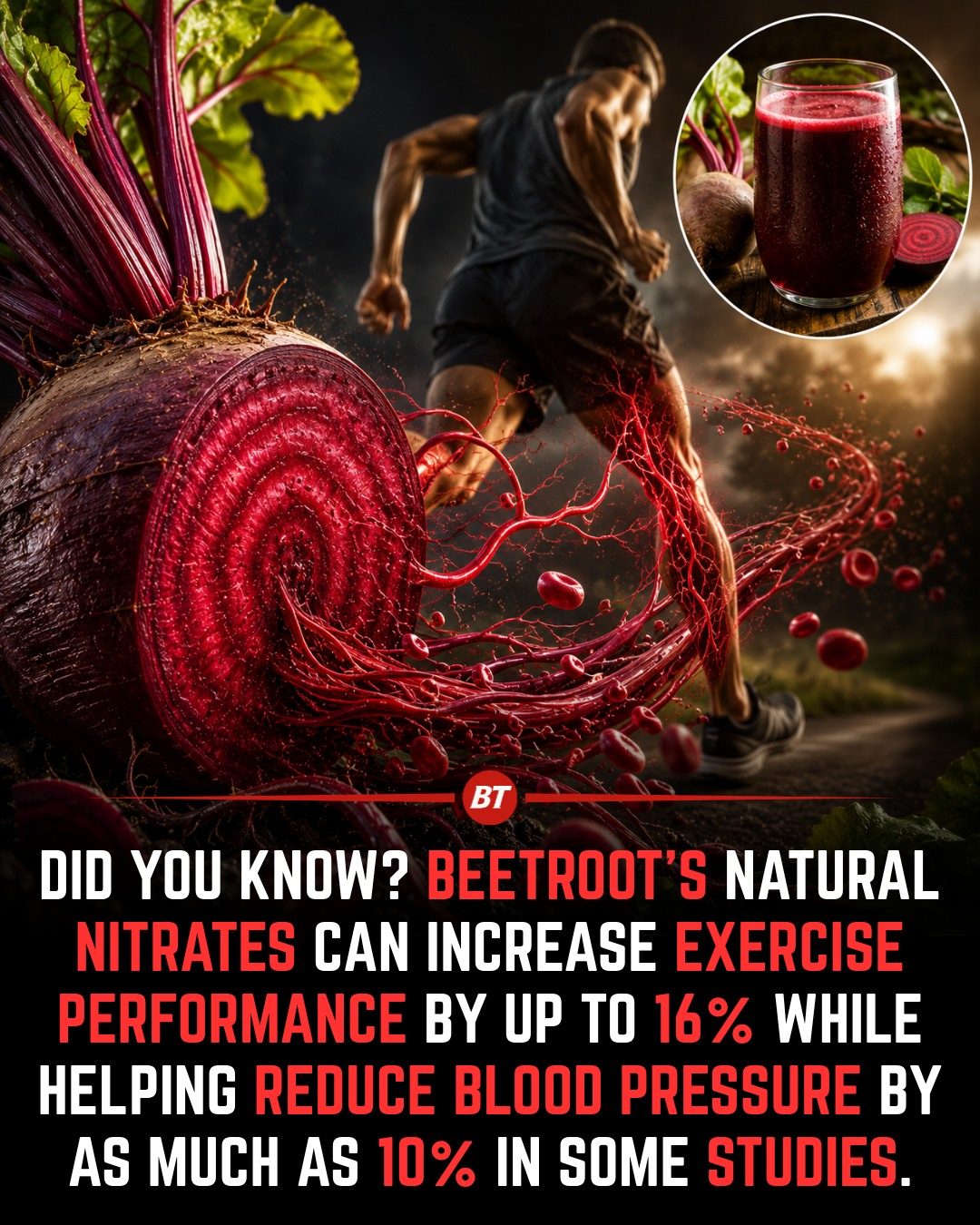
Beetroot: The Superfood for Workouts and Heart Health
Beetroot, a vibrant and versatile vegetable, has gained significant attention for its potential to enhance both exercise performance and overall heart health. Packed with dietary nitrates, beetroot offers a range of benefits that have piqued the interest of researchers and athletes alike. Let's dive into the science behind these claims and explore how beetroot can be incorporated into your daily routine.
Why This Matters
For athletes and fitness enthusiasts, optimizing performance is often a top priority. Beetroot's natural nitrates can convert into nitric oxide in the body, which helps to relax and widen blood vessels. This process improves blood flow, allowing more oxygen and nutrients to reach muscles, the brain, and other organs. This enhanced circulation can lead to improved endurance, stamina, and overall exercise performance. Additionally, beetroot's ability to support healthy blood pressure levels makes it a valuable addition to any diet focused on cardiovascular health.
The Science Behind Beetroot
Dietary Nitrates and Nitric Oxide
Beetroot is naturally rich in dietary nitrates, which the body converts into nitric oxide. This molecule plays a crucial role in vascular health by helping blood vessels relax and widen. Improved blood flow means that muscles and other tissues receive more oxygen and nutrients, which can enhance physical performance and overall health.
Exercise Performance
Beetroot juice has become one of the most studied performance-enhancing foods in sports nutrition. Research has shown that dietary nitrate supplementation from beetroot can significantly improve exercise efficiency. This means that muscles require less oxygen to perform the same amount of work, leading to measurable improvements in endurance and stamina.
A review published in the Journal of Applied Physiology highlighted the benefits of beetroot for athletes. The study found that beetroot juice can enhance exercise performance by up to 16% in some individuals. This makes it a popular choice among athletes looking to gain a competitive edge.
Cardiovascular Health
The benefits of beetroot aren't limited to athletes. Research has also found that beetroot consumption may help support healthy blood pressure levels. The natural nitrates in beetroot increase nitric oxide production, which improves arterial function and can lead to reductions in blood pressure. Several clinical trials have shown that participants experienced reductions in blood pressure within hours of consuming nitrate-rich beetroot juice.
Practical Tips
Incorporating Beetroot into Your Diet
Beetroot can be enjoyed in various forms, making it easy to incorporate into your diet. Fresh beets, roasted beetroot, and beetroot juice are all excellent options. Many athletes consume beetroot juice 2–3 hours before exercise to maximize nitric oxide production and performance benefits. Here are a few simple ways to enjoy beetroot:
- Fresh Beets: Grate them into salads, slice them for snacking, or use them in sandwiches.
- Roasted Beetroot: Toss with olive oil, salt, and pepper, then roast in the oven until tender.
- Beetroot Juice: Blend beets with a bit of water, strain, and drink. You can also mix it with other juices for added flavor.
Beetroot Recipes
Beetroot Smoothie
Blend 1/2 cup of fresh beetroot, 1 banana, 1/2 cup of spinach, 1/2 cup of almond milk, and a spoonful of honey. This smoothie is a refreshing way to start your day and get a boost of nitrates.
Roasted Beetroot Salad
Toss 2 cups of roasted beetroot, 1/4 cup of feta cheese, 1/4 cup of walnuts, and a handful of mixed greens. Dress with olive oil, lemon juice, salt, and pepper.
Important Takeaways
- Beetroot is rich in dietary nitrates, which convert into nitric oxide, improving blood flow and oxygen delivery.
- Consuming beetroot can enhance exercise performance by up to 16% in some individuals.
- Beetroot may help support healthy blood pressure levels by increasing nitric oxide production and improving arterial function.
- Incorporating beetroot into your diet through fresh beets, roasted beetroot, or beetroot juice can provide numerous health benefits.
Conclusion
Beetroot offers a unique combination of benefits for both athletes and those focused on heart health. By improving blood flow, enhancing exercise performance, and supporting healthy blood pressure levels, beetroot stands out as a powerful functional food. Whether you enjoy it fresh, roasted, or juiced, adding beetroot to your diet can be a simple and effective way to boost your overall health and performance.
Watch the Reel
Questions readers ask
How does beetroot improve exercise performance?
Beetroot contains high levels of dietary nitrates, which the body converts into nitric oxide. This compound relaxes and widens blood vessels, enhancing blood flow, and delivering more oxygen and nutrients to muscles. This process can boost endurance, stamina, and overall athletic performance.
What are the heart health benefits of consuming beetroot?
The nitrates in beetroot convert to nitric oxide, which promotes vasodilation—widening of the blood vessels. This improves blood flow, reduces blood pressure, and lowers the risk of heart disease, thereby supporting overall heart health.
What are the benefits of beetroot juice?
Beetroot juice is a concentrated source of dietary nitrates, which can be quickly absorbed by the body. Regular consumption of beetroot juice has been linked to improved cardiovascular health, enhanced exercise performance, and better muscle efficiency.
Can beetroot supplements replace natural beetroot?
While beetroot supplements, such as beetroot powder or capsules, can provide similar nitrate benefits, consuming natural beetroot or beetroot juice offers additional vitamins, minerals, and fiber. Incorporating natural beetroot into your diet ensures you receive a broader range of nutritional advantages.
How can athletes incorporate beetroot into their training routines?
Athletes can consume beetroot juice or beetroot powder about 2–3 hours before a workout or competition to maximize the benefits of nitrates. Additionally, incorporating beetroot into meals or snacks during the day can support overall performance and recovery.
Are there any precautions when consuming beetroot?
While beetroot is generally safe, it can cause beeturia, a harmless condition where urine or stools turn red or pink. Some individuals may also experience digestive issues if they consume large amounts. Always consult with a healthcare provider before making significant dietary changes.
Related deep dives
Similar reads based on topic and creator.




Recent articles
Fresh deep dives from the latest Reels we unpacked.




Comments
Be the first to comment.