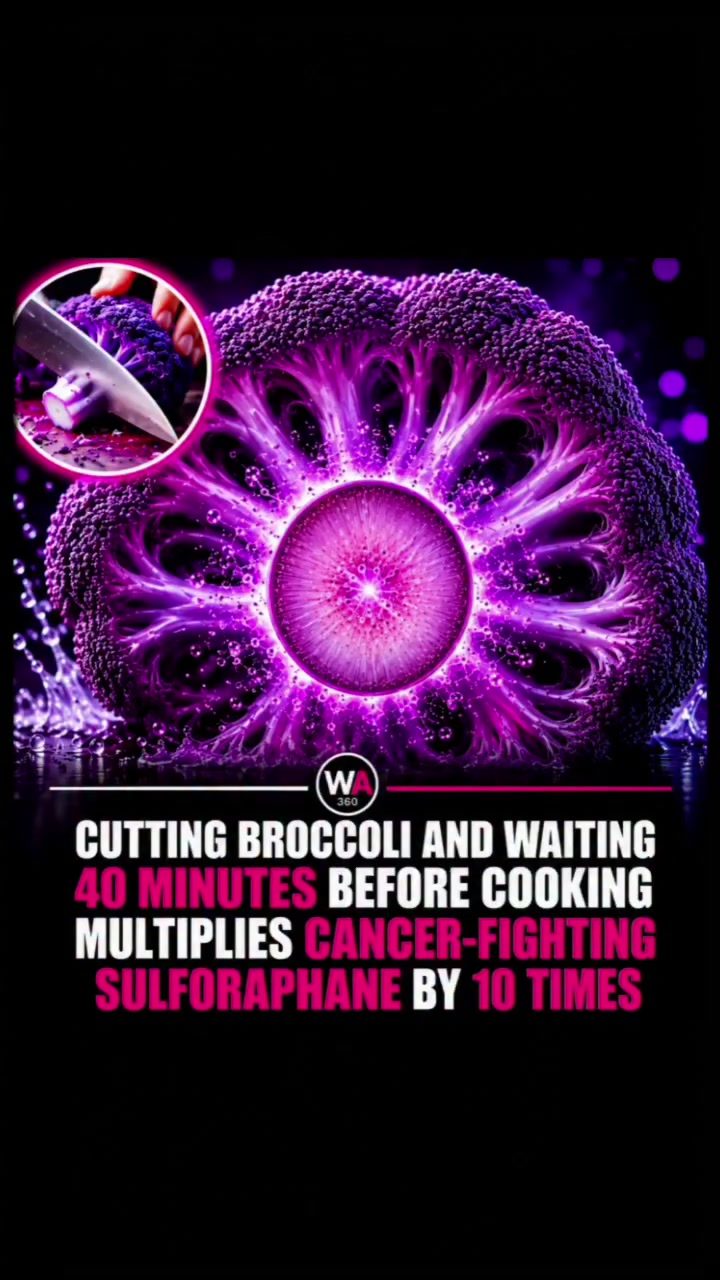
Broccoli and Cancer-Fighting Compounds
Broccoli isn't just a versatile vegetable; it's a powerhouse of nutrients, particularly when it comes to compounds that can fight cancer. This cruciferous vegetable contains glucosinolates, which convert into sulforaphane, a potent compound known for its antioxidant and anti-inflammatory properties. However, to fully harness these benefits, a simple yet effective method called the "Hack and Hold" can maximize the production of sulforaphane. Here's how it works and why it matters.
Why This Matters
Incorporating broccoli into your diet can provide a host of health benefits, but to get the most out of it, understanding how to prepare it properly is crucial. By taking a few extra steps, you can significantly enhance the production of sulforaphane, which has been widely studied for its potential to reduce the risk of cancer and other diseases. This method ensures that you're not only adding broccoli to your diet but also maximizing its potential benefits.
Main Discussion
The Science Behind Sulforaphane
Sulforaphane is formed when the enzyme myrosinase in broccoli interacts with glucosinolates, a process that is inhibited by heat. When broccoli is cut, the glucosinolates and myrosinase mix, but the conversion to sulforaphane is incomplete without a resting period. This enzyme is crucial for converting glucosinolates into the powerful compound sulforaphane, which has been the subject of numerous studies due to its potential to combat cancer.
The "Hack and Hold" Method
Maximizing the production of sulforaphane involves a simple routine:
- Chop or Cut Broccoli: Begin by cutting the broccoli into bite-sized pieces. This step is essential as it initiates the breakdown of the cell walls, allowing the enzyme and glucosinolates to mix.
- Let It Sit: Place the cut broccoli on the cutting board and let it sit for 30 to 40 minutes. This resting period is critical as it allows the enzyme myrosinase to fully activate and maximize the conversion of glucosinolates into sulforaphane.
- Light Steam Instead of Boil: When you're ready to cook, opt for light steaming instead of prolonged boiling. Steaming preserves the sulforaphane and other beneficial nutrients, while boiling can break them down and reduce their effectiveness.
Maximizing the Benefits
Cooking broccoli immediately after cutting it can lead to a significant loss of beneficial compounds. By waiting for 30 to 40 minutes before cooking, you can multiply the production of sulforaphane by 10 times, making the broccoli even more beneficial for your health.
Additional Tips for Healthier Cooking
While the "Hack and Hold" method is a game-changer, there are additional tips to ensure you're getting the most out of your broccoli:
- Avoid Overcooking: Overcooking can destroy the beneficial compounds in broccoli. Aim for a light steam or sauté to retain as many nutrients as possible.
- Balanced Diet: Remember that while broccoli is incredibly nutritious, it works best as part of a balanced diet. Include a variety of whole foods and vegetables to get a broad spectrum of nutrients.
- Fruits and Vegetables: Include a colorful variety of fruits and vegetables in your diet to ensure you're getting a wide range of vitamins and minerals.
Practical Tips
- Prep Ahead: If you're short on time in the kitchen, consider prepping your broccoli the night before. Chop it into pieces, let it sit in the fridge overnight, and then cook it the next day.
- Batch Preparation: Prep multiple days of broccoli at once. Cut a large batch, let it sit, and then store it in the fridge. This way, you can easily steam or sauté it for your meals throughout the week.
- Meal Prep: If you meal prep, incorporate the "Hack and Hold" method into your routine. Prep your broccoli, let it sit, and then steam or sauté it to include in your meals for the week.
Important Takeaways
Broccoli's ability to produce sulforaphane is significantly enhanced by the "Hack and Hold" method. Here are the key takeaways:
- Wait to Cook: Allowing the broccoli to sit for 30 to 40 minutes after cutting maximizes sulforaphane production.
- Light Steam: Opt for light steaming to preserve the beneficial compounds.
- Balanced Diet: Include a variety of whole foods and vegetables in your diet to complement the benefits of broccoli.
Conclusion
Incorporating broccoli into your diet can provide a multitude of health benefits, especially when you enhance its potential with the "Hack and Hold" method. By allowing the broccoli to sit for a period after cutting, you can significantly boost the production of sulforaphane, a powerful compound with antioxidant and anti-inflammatory properties. So, next time you cook broccoli, remember to cut it, wait, and then lightly steam it to maximize its health benefits.
Watch the Reel
Questions readers ask
Why is it important to chop broccoli before cooking?
Chopping broccoli initiates a chemical reaction that converts inactive compounds called glucosinolates into sulforaphane, which has potent antioxidant and anti-inflammatory properties. This conversion process is crucial for boosting the vegetable's cancer-fighting benefits.
What is the 'Hack and Hold' method for broccoli?
The 'Hack and Hold' method involves chopping broccoli into small pieces and then letting it rest for 40 minutes before cooking. This waiting period allows for the activation of myrosinase, an enzyme that converts glucosinolates into sulforaphane, enhancing the vegetable's protective properties.
Can I eat broccoli without letting it rest after cutting?
While you can still consume the broccoli, the sulforaphane content will be lower, as the enzyme myrosinase will not have fully activated the protective compounds. For maximum benefits, it's best to follow the 'Hack and Hold' method.
What is sulforaphane, and why is it important in broccoli?
Sulforaphane is a potent compound found in broccoli, known for its antioxidant and anti-inflammatory properties. It is formed when the vegetable is chopped or chewed, converting glucosinolates into sulforaphane. This compound plays a significant role in broccoli's cancer-fighting benefits.
What should I do if I don't have 40 minutes to wait before cooking broccoli?
If you're short on time, you can still benefit from broccoli's nutrients, but you may miss out on the peak sulforaphane levels. If you can't wait 40 minutes, try to chop the broccoli as finely as possible and let it rest for at least 5-10 minutes before cooking.
Can I still get sulforaphane from cooked broccoli?
Yes, you can still get sulforaphane from cooked broccoli, but the amount will be lower than in raw or lightly cooked broccoli. To preserve more sulforaphane, consider steaming or stir-frying the broccoli for a short period. Avoid boiling, as it can significantly reduce the sulforaphane content.
Should I cut broccoli into small or large pieces for maximum sulforaphane?
To maximize sulforaphane production, cut broccoli into smaller pieces. This increases the surface area exposed to the air, allowing more myrosinase to activate and convert glucosinolates into sulforaphane. Smaller pieces also cook more evenly, preserving the beneficial compounds.
Related deep dives
Similar reads based on topic and creator.

Recent articles
Fresh deep dives from the latest Reels we unpacked.




Comments
Be the first to comment.