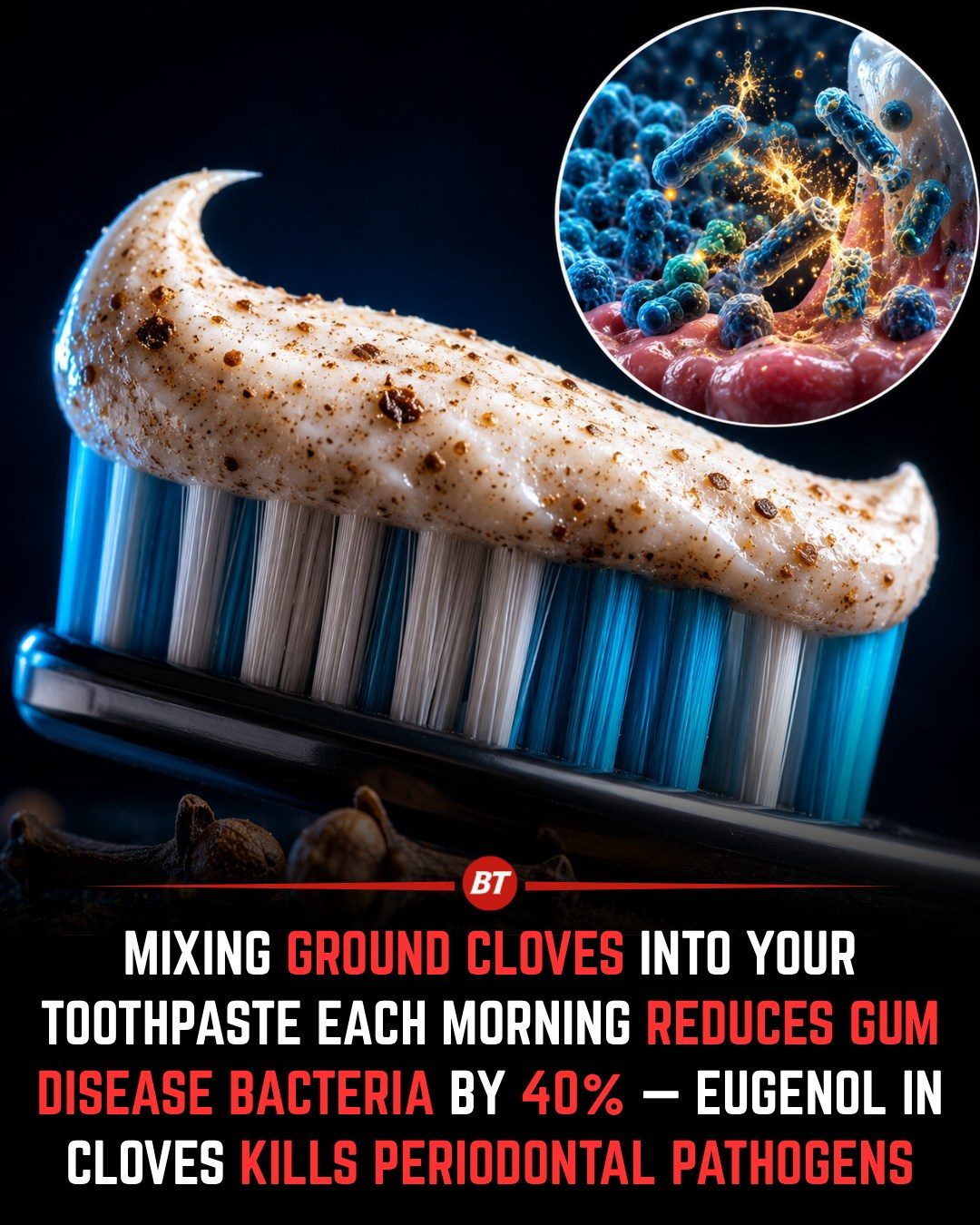
Oral Hygiene with Cloves
Cloves have long been recognized for their beneficial properties in supporting oral health. The natural compound eugenol, found in cloves, plays a significant role in maintaining good oral hygiene and is found in many dental materials for this reason. Mixing ground cloves with toothpaste each morning can help reduce the presence of harmful bacteria in the mouth.
Context / Why this matters
Oral health is about more than just a sparkling smile; it's crucial for overall wellness. The mouth is home to hundreds of bacterial species, and while many are beneficial, an overgrowth of harmful bacteria can lead to various oral health issues, such as bad breath, gingivitis, and gum disease. Incorporating natural remedies like cloves into your dental care routine can help maintain a healthier balance of oral microbes.
Main discussion
The Power of Eugenol
Eugenol, the key compound in cloves, has well-documented antimicrobial, antioxidant, and soothing properties. It has been used in dentistry for decades due to its ability to calm irritated tissues and inhibit the growth of harmful microorganisms. This natural compound is one of the reasons cloves have remained a traditional remedy for oral care across many cultures.
Antimicrobial Effects
Researchers have discovered that clove extracts can reduce the growth of several types of bacteria associated with plaque formation, gum inflammation, and periodontal disease. This antimicrobial effect is particularly noteworthy because it can help control the overgrowth of harmful bacteria in the mouth, contributing to a healthier oral environment.
Dental Applications
Eugenol's soothing properties make it a valuable component in certain dental materials. It can help calm irritated tissues and inhibit the growth of harmful microorganisms, making it a useful addition to dental treatments and materials.
Scientific Backing
Modern science has uncovered fascinating reasons why cloves are effective in supporting oral health. Studies have shown that incorporating clove extracts into dental care routines can significantly reduce the growth of harmful bacteria. This reduction is claimed to be up to 40% due to the eugenol content in cloves. Mixing ground cloves into toothpaste each morning can help achieve this benefit, contributing to better gum health.
Practical Tips
Incorporating cloves into your oral hygiene routine is straightforward. Here are some practical tips to get you started:
Adding Cloves to Toothpaste
A small pinch of finely ground cloves added to your toothpaste occasionally can enhance its benefits. You can also look for toothpaste that already contains clove extract. Always remember to brush gently for the best results.
Regular Dental Care
While cloves can be a valuable addition to your oral care routine, they should not replace traditional dental hygiene practices. Continue regular brushing, flossing, and professional dental checkups for long-term oral health.
Natural Remedies
Cloves represent one of nature's most researched herbs for supporting oral wellness. Incorporating natural remedies like cloves into your dental care routine can complement traditional methods, providing an extra layer of protection against harmful bacteria.
Important Takeaways
Cloves offer a powerful, natural way to support oral health. Here are the key takeaways:
- Eugenol in cloves has antimicrobial, antioxidant, and soothing properties.
- Mixing ground cloves into your toothpaste can reduce gum disease bacteria by up to 40%.
- Regular use of cloves in oral hygiene can help maintain a healthier balance of oral microbes.
- Cloves are a traditional remedy for oral care across many cultures.
Conclusion
Cloves have been used for centuries to support oral health, and modern science continues to uncover the fascinating reasons behind their effectiveness. By incorporating cloves into your dental care routine, you can harness the power of eugenol to maintain a healthier, more balanced oral environment. Always remember that natural remedies should complement, not replace, traditional dental hygiene practices. For the best results, continue regular brushing, flossing, and professional dental checkups.
Watch the Reel
Questions readers ask
How do cloves benefit oral health?
Cloves contain a natural compound called eugenol, which has strong antimicrobial properties. This helps to reduce harmful bacteria in the mouth, promoting a healthier balance of oral microbes and contributing to better overall oral health.
What is eugenol and why is it important for dental care?
Eugenol is a compound found in cloves that is known for its antimicrobial properties. It is commonly used in dental materials due to its ability to kill harmful bacteria, making it a valuable component in natural oral care routines.
Can I use cloves as a substitute for commercial toothpaste?
While cloves can enhance your dental regimen, they should not be used as a complete substitute for commercial toothpaste. Instead, mix a small amount of ground cloves with your regular toothpaste to boost its antibacterial properties.
How often should I use cloves in my dental routine?
For best results, incorporate ground cloves into your toothpaste daily. A simple morning ritual of brushing with a clove-enriched toothpaste can help maintain a healthier mouth by controlling bacterial growth.
What oral health issues can cloves help prevent?
Regular use of cloves in your dental routine can help prevent issues like bad breath, gingivitis, and even gum disease. By reducing harmful bacteria, cloves promote a healthier oral environment.
Are there any precautions to take when using cloves for oral health?
While generally safe, some people may be sensitive to cloves. Start by using a small amount and monitor your reaction. If you experience any irritation, discontinue use and consult a healthcare professional.
How should I prepare cloves for use in my dental care routine?
To incorporate cloves into your dental care routine, simply grind a small amount of whole cloves into a fine powder and mix it with your regular toothpaste. This can be done daily to enhance the antibacterial properties of your toothpaste.
Related deep dives
Similar reads based on topic and creator.




Recent articles
Fresh deep dives from the latest Reels we unpacked.




Comments
Be the first to comment.